@2026 Finance News International. All Rights Reserved.

Blends Media
A Blends Media Group Production

UAE Enters World’s Top 25 Innovation Economies, Ranks First in 4 Indicators

Arry Hashemi
Arry Hashemi
Oct. 06, 2026
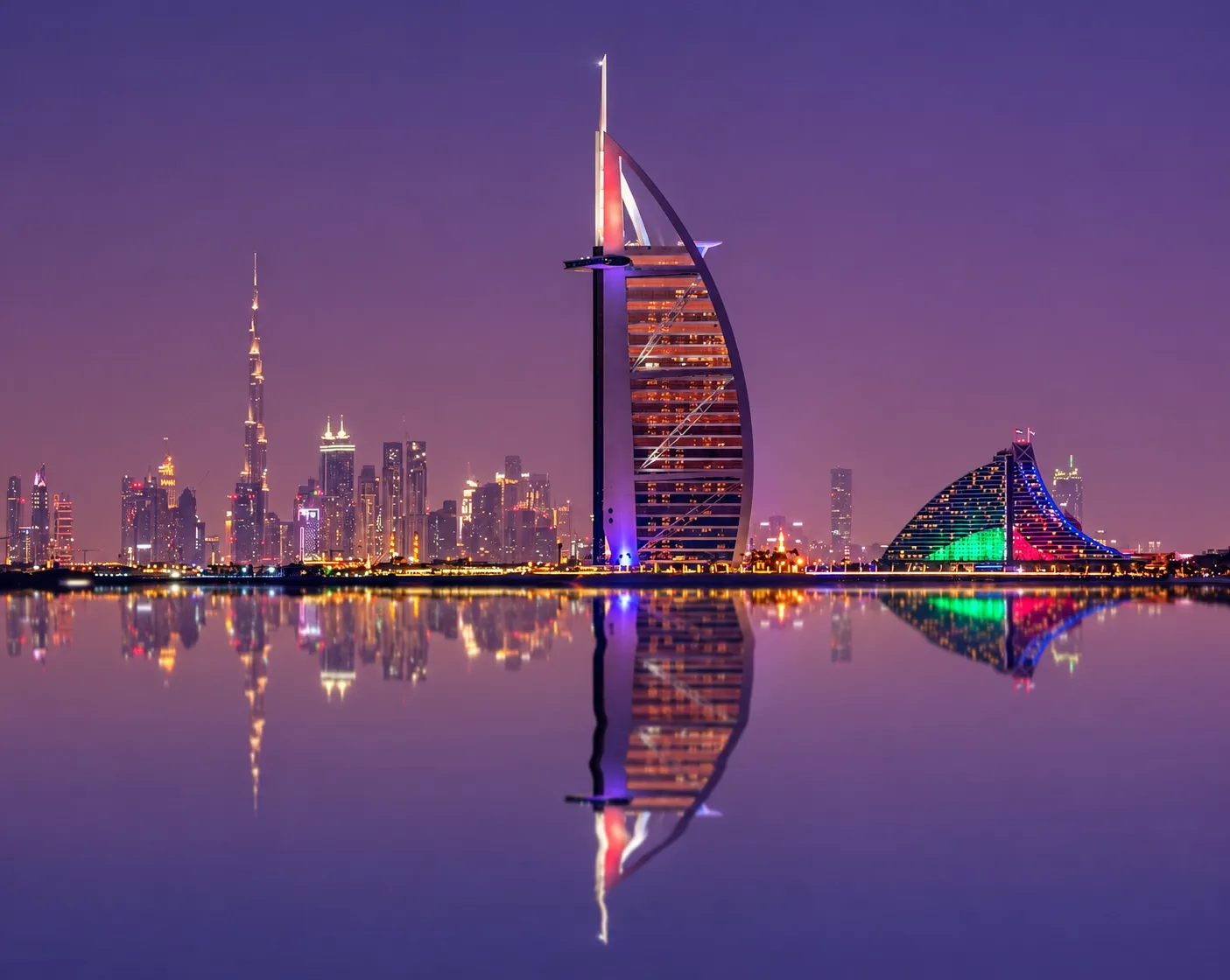
UAEThe UAE rose five places to 25th in WIPO’s 2026 Global Innovation Index, with first-place rankings in four indicators, including startup finance and entrepreneurship policies. (Pexels)

The United Arab Emirates has entered the top 25 of the Global Innovation Index, rising five places in the 2026 edition as the country posted leading scores in entrepreneurship, startup finance, international student mobility and technology-related foreign investment. The ranking places the UAE among a group of economies advancing beneath a largely unchanged set of global leaders.

The World Intellectual Property Organization’s 2026 index ranks 139 economies. The UAE reached 25th, compared with 30th in 2025. WIPO identified its entry into the top 25 alongside recoveries by Canada, Australia and New Zealand as notable movements in this year’s results.

The headline gain comes with a more uneven picture underneath. WIPO’s UAE country profile places the country 12th for innovation inputs and 42nd for outputs. Both rankings improved from 2025, when it stood 14th and 47th, respectively, showing progress in the conditions supporting innovation and in the results those conditions produce.

The country profile assigns the UAE first place in entrepreneurship policies and culture, finance for startups and scaleups, tertiary inbound mobility, and greenfield research and development and high-tech foreign direct investment. These are individual indicator rankings within the broader index, rather than separate rankings of entire industries.

International student mobility is measured as a percentage, while the investment indicator concerns a specific category of cross-border projects. Describing these results simply as leadership in education or total research spending would extend the findings beyond the measures WIPO actually uses.


UAE 2The UAE ranked second in WIPO’s Northern Africa and Western Asia region, as Saudi Arabia, Qatar and Kuwait also advanced in the 2026 innovation index. (Pixabay)

Other strengths appear in the same profile: the UAE ranks second in research talent employed in businesses and third in the share of graduates in science and engineering. Its positions across the broader pillars vary, however, with institutions ranked ninth and knowledge and technology outputs ranked 47th.

A new feature of the 2026 edition helps explain the investment result. WIPO’s results chapter introduces a measure of greenfield R&D and high-tech foreign direct investment using announced projects recorded in the FT Locations fDi Markets database. It covers new physical projects and expansions of existing operations.

Eligible activity includes research and development, design, development and testing, as well as investment in sectors such as semiconductors, biotechnology, pharmaceuticals, software and information technology services. Mergers and acquisitions are excluded because they transfer ownership of existing assets.

The measure considers both inward and outward announcements, averaging activity over 2023–2025 and adjusting for an economy’s share of global fixed capital formation.

WIPO’s regional assessment links the Gulf economies’ advances to digital government, connectivity, infrastructure, higher education, talent attraction and startup finance. It identifies stronger channels from these foundations into research, commercialization and competitive businesses as the next stage of development.

The UAE ranks second in WIPO’s Northern Africa and Western Asia grouping. Saudi Arabia, Qatar and Kuwait also advanced in the 2026 index. These movements place the UAE’s improvement within a wider regional pattern, although the economies differ in their strongest indicators and their overall positions.

Globally, the 2026 overview shows Switzerland, Sweden and the United States retaining the first three places, followed by South Korea and Singapore. No economy newly entered the top 15. Europe accounts for 14 of the top 25 economies, illustrating how concentrated the leading positions remain even as countries further down the ranking make gains.

The index combines 79 indicators covering institutions, human capital and research, infrastructure, market sophistication, business sophistication, knowledge and technology outputs, and creative outputs. Under WIPO’s methodological framework, the input and output sub-indexes receive equal weight in the overall score, despite containing different numbers of pillars.

The 2026 index draws on data from several reporting periods to provide a broad picture of innovation performance. WIPO notes that changes in data availability and methodology should be considered when comparing annual rankings.