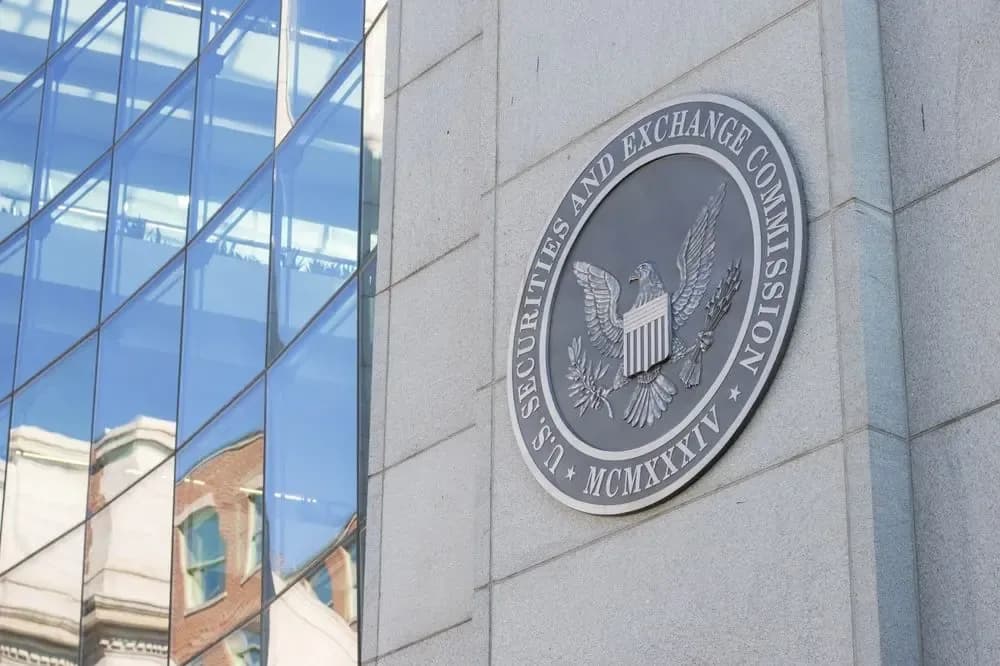
The U.S. Securities and Exchange Commission has proposed changes that would give investment advisers and regulated funds additional ways to hold crypto assets, including conditional permission for advisers to safeguard client assets themselves. The proposal addresses a practical question for firms offering crypto investments: who can hold those assets while meeting federal custody requirements?
The proposal covers SEC-registered investment advisers and regulated funds, including registered investment companies and business development companies. Alongside adviser-held custody, it would establish conditions for using state trust companies to safeguard client and fund crypto assets. The changes remain proposals and have not become binding rules.
Custody requirements are designed to protect assets against theft, loss, misuse and misappropriation. In his statement accompanying the proposal, SEC Chairman Paul Atkins said parts of the existing framework predate the internet and were written around traditional assets.
Atkins identified a timing problem: custody services for a newly developed crypto asset may become available months after the asset itself. He presented the proposal as a response to that gap. The SEC says the changes could remove barriers to crypto-related advice and allow regulated funds to offer a wider range of investment strategies.
Adviser-Held Custody Would Come With Conditions
An adviser could not simply choose to hold client crypto assets because doing so was more convenient. As Commissioner Hester Peirce explained in her October 1 statement, the adviser would first have to determine that no permitted custodian was available for the asset. That assessment would have to be repeated quarterly.
Peirce also clarified the meaning of “self-custody” in the proposal. It refers to advisers holding assets on behalf of clients, rather than individual investors keeping their own crypto without an intermediary. The proposed permission therefore concerns the responsibilities of investment firms handling other people’s assets.
The SEC’s fact sheet sets out operational safeguards. Advisers would need documented expertise in protecting each asset, systems addressing private-key management and transaction approval by at least two people. Each client’s crypto would have to be maintained at network addresses containing only that client’s assets.
Additional checks would include annual reviews of safeguarding systems and cybersecurity controls. Independent accountants would provide internal control reports within six months of the adviser beginning self-custody and annually afterward. Clients would receive account statements at least quarterly. A regulated fund using its adviser for custody would also need board oversight of the arrangement, including review of the adviser’s justification for holding the assets.
State Trust Companies Face Separate Checks
The second proposed route would allow eligible state trust companies to act as crypto custodians, subject to due diligence and asset-protection requirements. Peirce said advisers and funds would need a reasonable basis, after inquiry, to believe the company was authorized by its state banking authority to provide crypto custody services.
That review would take place before engagement and annually thereafter. It would also examine whether the company had written policies and procedures designed to protect crypto assets and related cash against theft, loss, misuse and misappropriation. State authorization alone would not satisfy all the proposed conditions.
The fact sheet adds requirements to receive and review the trust company’s latest annual audited financial statements and internal control report. Client and fund crypto assets would have to remain separate from the company’s proprietary holdings. These conditions accompany the proposed expansion of available custodians.
The full proposing release also makes clear that the custody framework does not cover every crypto asset in every setting. The adviser rule concerns client funds and securities; the regulated-fund rules concern securities and similar investments. The proposal should therefore not be read as a blanket custody regime for all digital assets.
Wider Rule Changes and Public Review
The package extends beyond crypto custody. The SEC’s summary of the initiative includes changes to reporting and recordkeeping, while the proposing release details amendments to adviser and fund disclosure forms. These provisions would affect how firms document their arrangements and report information to regulators.
One proposed recordkeeping change would allow records maintained on a crypto network to satisfy applicable requirements, subject to conditions. Amendments to Form ADV and Form N-CEN would collect additional information about crypto custody and tokenized fund shares. The SEC’s proposal combines new custody permissions with changes to the information firms must retain and disclose.
The release also records that an earlier safeguarding proposal, issued in 2023, was never adopted and was formally withdrawn in June 2025. The October 2026 package is a separate rulemaking, with its own proposed requirements and opportunity for public input.
Comments will remain open for 60 days after publication of the proposing release in the Federal Register.. Advisers, custodians, funds and investors can submit feedback before the commission considers final rules.