@2026 Finance News International. All Rights Reserved.

Blends Media
A Blends Media Group Production

OpenAI Countersues Apple Over Alleged Trade-Secret Theft

Arry Hashemi
Arry Hashemi
Nov. 28, 2026
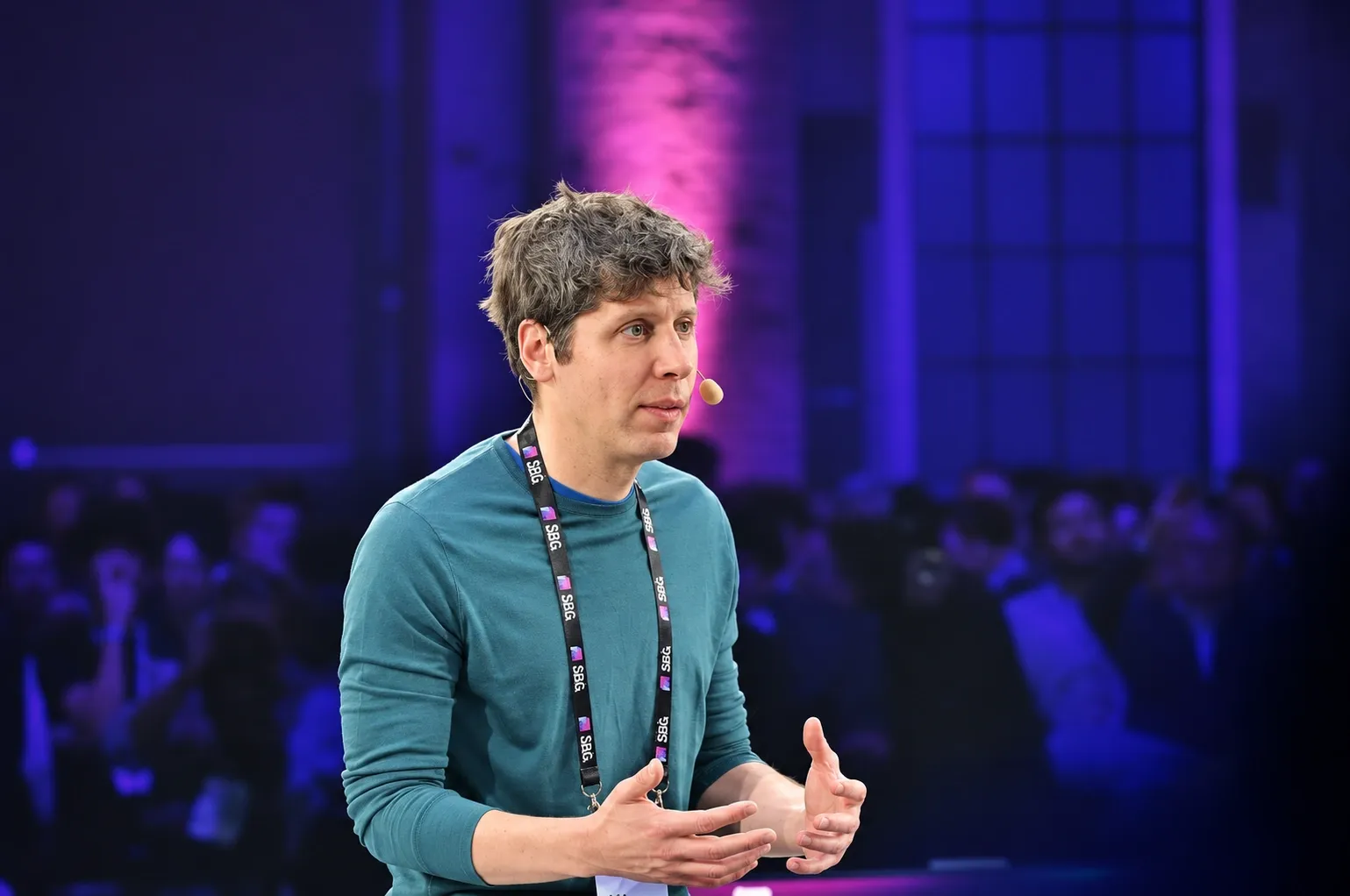
Sam AltmanOpenAI CEO Sam Altman, as the company hits back at Apple in court. (Shutterstock)

San Jose, California — OpenAI has filed 12 counterclaims against Apple, accusing the iPhone maker of obtaining its trade secrets through an employee who returned to Apple and of pressuring shared hardware suppliers to scale back work on OpenAI's planned AI devices.

The claims escalate the trade-secret case Apple brought against OpenAI in federal court in California. They were filed by OpenAI Group PBC, its hardware unit io Products, and two former Apple employees now at OpenAI, Tang Tan and Chang Liu, together with an answer that denies all of Apple's allegations not specifically admitted.

OpenAI also withdrew the motion to dismiss it filed in August, according to the court docket in the U.S. District Court for the Northern District of California, where Judge Edward J. Davila is hearing the case.

At the heart of the trade-secret claim is a former OpenAI operations employee whom the counterclaims identify only as Employee X. OpenAI says he left Apple, started at OpenAI on December 2, 2025, and in the months before his last day on June 2, 2026, repeatedly sent device designs, inspection records and manufacturing files to personal phone numbers and accounts.

When he gave notice, the filing says, he told his supervisor he wanted to return to China to care for his family and did not mention going back to Apple. OpenAI alleges he rejoined Apple shortly afterward and, at Apple's request, briefed senior staff in its Asia-Pacific operations in July 2026 on OpenAI's confidential hardware work and its roadmap for products not yet released.

OpenAI says it sent Apple a cease-and-desist letter on October 9, 2026, asking it to investigate, preserve evidence and account for the material. It accuses Apple of stalling since then by refusing to search for documents on Employee X and referring OpenAI to outside lawyers who are not bound by the case's protective order. OpenAI first set out these concerns in a court filing in mid-October.
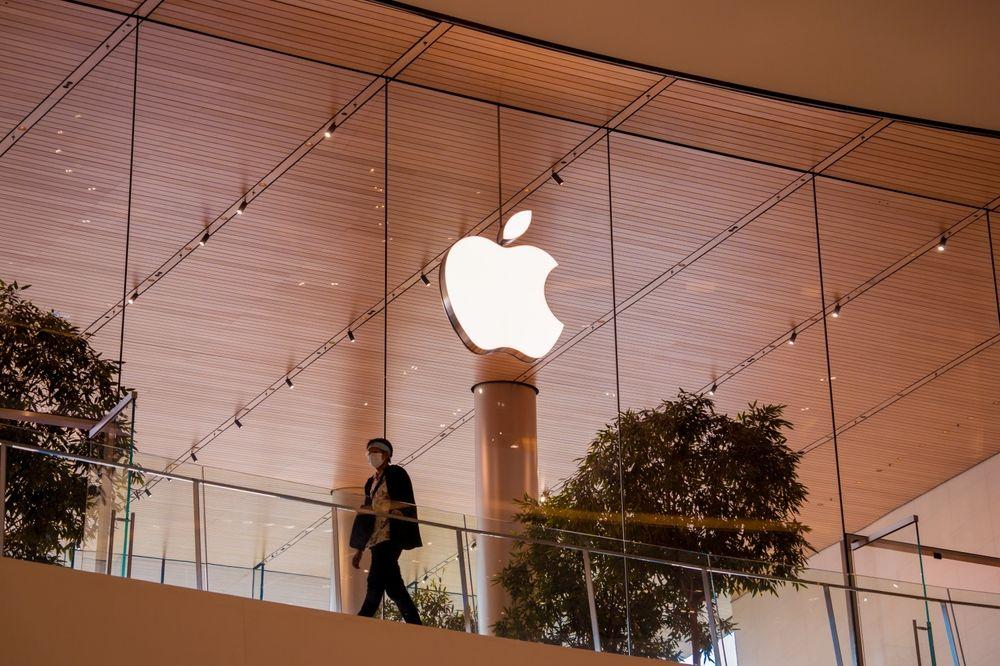

AppleApple now faces 12 counterclaims from OpenAI in its trade-secret case. (Shutterstock)

The counterclaims frame the dispute as one about competition: “If Apple could compete with OpenAI on the merits, it would. But it can’t. So Apple is instead trying to leverage its size and wealth to forestall competition from OpenAI through a wide variety of unlawful, unfair, and tortious conduct.”

A second set of allegations concerns manufacturers that work for both companies. OpenAI says that for many functions it has only one or two qualified suppliers, and it alleges that Apple's global supply-management staff asked shared vendors to identify workers assigned to OpenAI and pressed them not to commit resources to its projects.

The filing describes two cases. A specialist finishing supplier moved OpenAI parts to a separate overnight shift on a shared anodizing line after Apple objected to them being processed in the same area or at the same time as its own work, which raised costs for the supplier and for OpenAI. Another manufacturer, which OpenAI counts among its most important suppliers, told the company it could no longer take on planned work because of threats from Apple. Neither supplier is named, and OpenAI argues that Apple acted “to raise OpenAI’s costs and reduce its available options.”

Apple's employment practices are the third target. OpenAI alleges that Apple encourages staff to keep work files in personal iCloud accounts and to handle Apple business over personal iMessage, then relies on a broad Intellectual Property Agreement to accuse people who leave, and their new employers, of taking its secrets. The filing opens with the line “Apple set quite a trap for employees.”

That setup, OpenAI says, amounts to “a trap that can be sprung whenever Apple sees an opportunity to slow down a potential competitor.” The filing adds: “400 Apple employees have left Apple for OpenAI so far, and Apple wants to scare the next 400 away before they leave for other employers, too.”

Liu, now a member of OpenAI's technical staff, brings five of the 12 claims, including invasion of privacy and two computer-access claims. He says that after his last day at Apple on January 22, 2026, his former manager asked him to stay signed in to his personal iCloud account on a returned Apple device so work files could be retrieved, and that Apple stayed signed in until January 30 while his personal iMessages kept syncing.

Tan, a cofounder of io Products, brings three claims under California law aimed at Apple's Intellectual Property Agreement. OpenAI and io Products assert the other four, among them a claim under the federal Defend Trade Secrets Act and one for interference with existing supplier contracts. They ask for compensatory damages to be proven at trial, injunctions, royalties, restitution and a jury trial, without naming a figure.

The case is tied closely to OpenAI's move into hardware. The io Products team merged with OpenAI in July 2025, about a year after Jony Ive founded the startup with Scott Cannon, Evans Hankey and Tan, who OpenAI says spent more than 24 years at Apple. Apple is building out its own AI work too: a since-removed careers listing described agents that can operate a computer much as a person does.

The supplier claims could pull Apple's dealings with shared manufacturers into discovery, and if vendors remain cautious, OpenAI's device schedule may face added delays and costs. Apple's own request for a preliminary injunction was found moot on October 16 after the two sides agreed to a document preservation and forensic inspection order, and the parties are working toward a presumed trial date of July 19, 2027.