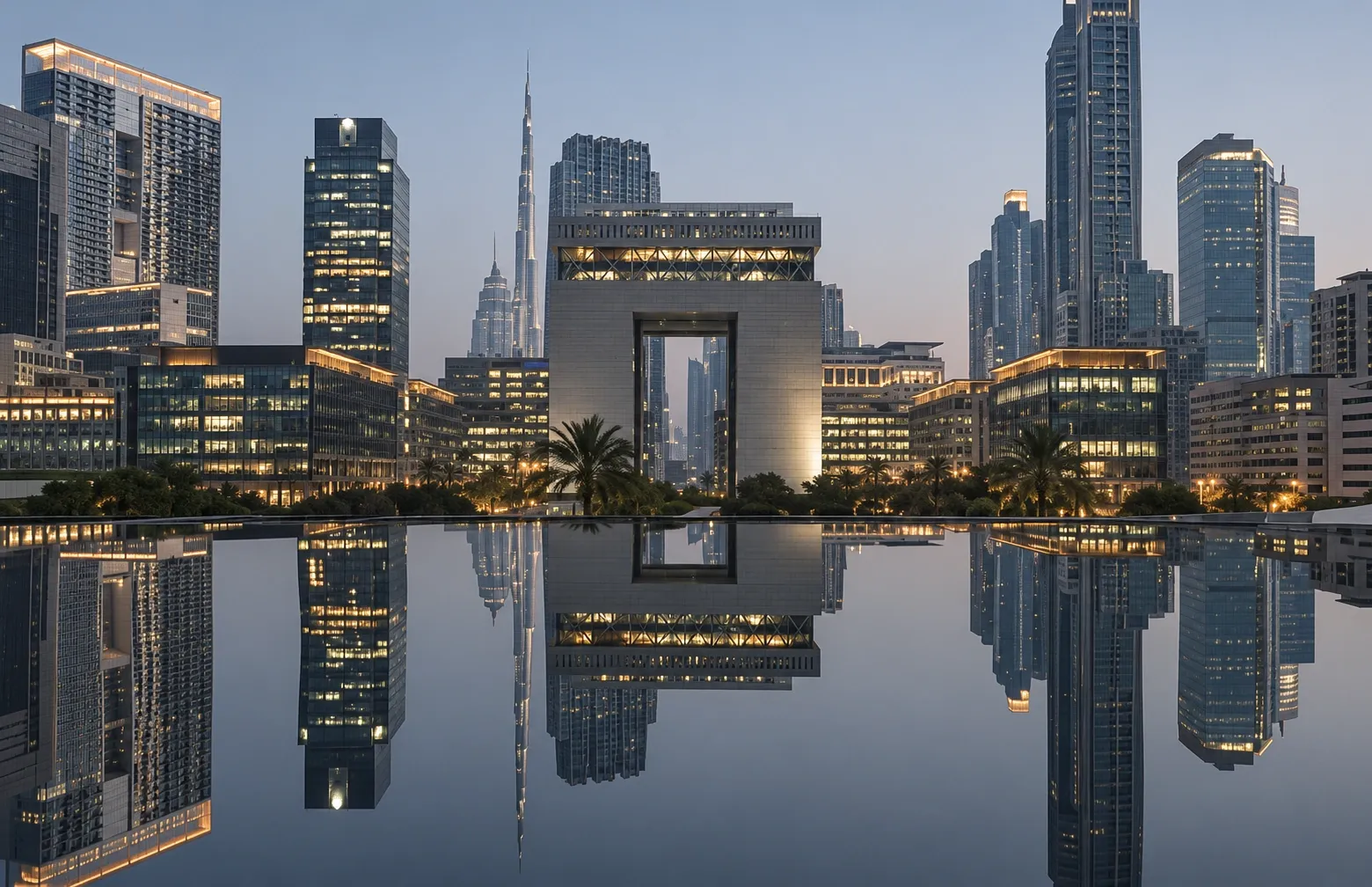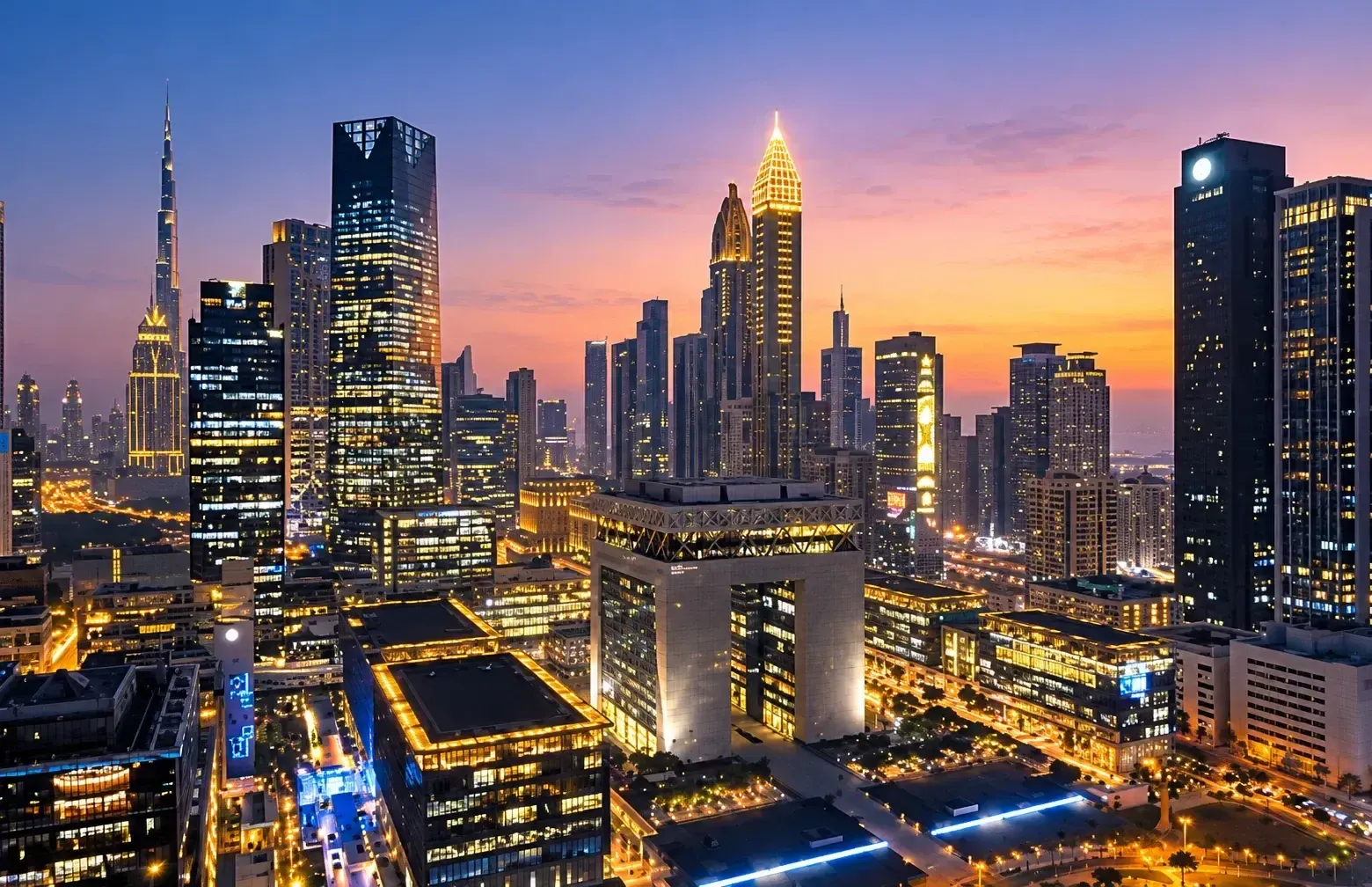
Dubai, United Arab Emirates — The Dubai Financial Services Authority (DFSA), which supervises firms in the Dubai International Financial Centre (DIFC), has agreed a formal cooperation framework with the markets watchdog for six Central African states by signing a memorandum of understanding with the Central African Financial Market Supervisory Commission.
Known in French as the Commission de Surveillance du Marché Financier de l’Afrique Centrale, COSUMAF is the supervisor for the shared financial market of the six countries in the Economic and Monetary Community of Central Africa (CEMAC). On the Dubai side, the DFSA acts as the independent regulator of banking, financial services and markets inside DIFC.
The document gives the two authorities a clear footing to consult one another, swap information and lend mutual assistance on regulatory and supervisory matters. Each side will be able to call on the other's knowledge and expertise, which the regulators said would help keep oversight effective while cross-border financial activity continues to change.
The DFSA's Chief Executive, Mark Steward, signed for the Dubai regulator, while COSUMAF's President, Jacqueline Adiaba-Nkembe, signed for the Central African side. They put their names to the agreement in Madrid, during a meeting of the Growth and Emerging Market Committee of the International Organization of Securities Commissions (IOSCO). The venue pointed to the weight international regulatory cooperation now carries as capital markets grow more global.
The two regulators linked the deal to rising capital and investment flows between Africa and the Middle East, and to DIFC's position as a gateway between them. The announcement called DIFC the leading global financial center in the Middle East, Africa and South Asia (MEASA) region. As an example, it pointed to the Republic of the Congo, which recently became Nasdaq Dubai's first sovereign issuer from Africa with bond listings worth $1.55 billion in total.
Mark Steward, Chief Executive of the DFSA, said: “Capital markets play an important role in connecting economies, directing investment and creating opportunities for sustainable growth. As investment increasingly crosses borders and regions, trust, transparency and effective regulation become even more important. Our agreement with COSUMAF creates an important relationship with a regulator representing six Central African markets, providing a basis for dialogue, information exchange and collaboration. It forms part of the DFSA’s broader international approach to regulatory cooperation, ensuring that we can work effectively with counterparts as capital markets become increasingly interconnected.”
Jacqueline Adiaba-Nkembe, President of COSUMAF, added: “This Memorandum of Understanding with the DFSA marks an important step in COSUMAF’s international cooperation. It provides a clear framework for exchanging information and assisting each other in the supervision of our respective markets, at a time when financial activity increasingly crosses borders. For COSUMAF, whose mission is to protect savings invested in financial instruments and to ensure the proper functioning of the Regional Financial Market of Central Africa, close cooperation with a regulator as experienced as the DFSA strengthens our supervisory capacity and our ability to work with our international counterparts, in line with our commitments as a member of IOSCO.”
The DFSA presented the agreement as a further step in its growing work across Africa. Central Africa now joins a list of partners on the continent that already included authorities in Egypt, Mauritius, Morocco and South Africa. By the end of 2025, the Dubai regulator held more than 120 cooperation arrangements around the world, covering information sharing, supervisory cooperation and the oversight of cross-border financial services.
The memorandum deals with how the two supervisors work together, and the announcement did not describe any change in market access for firms in either jurisdiction. Closer contact between the regulators could still matter if more Central African issuers and investors turn to Dubai, since it may make it easier for each side to follow activity that crosses between the two markets.
Other African institutions have already moved into the financial center. South African lender Absa Group opened a DIFC office in October, running it as Absa Bank Limited (DIFC Branch) under a Category 4 license from the DFSA. That license lets the branch arrange deals in investments, advise on financial products, and arrange and advise on credit.
DIFC said at the time that it had become the preferred base for African financial institutions building trade and investment corridors through Dubai. The center ended June 2026 with 10,018 active companies, 327 of them banking and capital markets firms, and its count of regulated financial services companies had risen 16% from a year earlier to 1,134.
The Congo listing cited in the COSUMAF announcement took place on October 19, 2026, when Nasdaq Dubai welcomed the secondary listing of two sovereign bond issues. They were $700 million of 9.500% amortizing notes due February 17, 2035, and $850 million of 9.500% amortizing notes due May 26, 2036, both first listed on the London Stock Exchange.
Congo's finance minister, Christian Yoka, whose full title is Minister of Finance, Budget and Public Portfolio, opened trading with the market bell, joined by Hamed Ali, CEO of Nasdaq Dubai and Dubai Financial Market (DFM), and Steward. The exchange said the Dubai listing would raise the profile of Congolese sovereign debt with Middle Eastern institutional investors, banks and corporates, and tied it to the UAE and Congo's Comprehensive Economic Partnership Agreement (CEPA).