@2026 Finance News International. All Rights Reserved.

Blends Media
A Blends Media Group Production

Masdar Targets Greece’s AI Power Demand with Major Solar Deal

Arry Hashemi
Arry Hashemi
Oct. 26, 2026
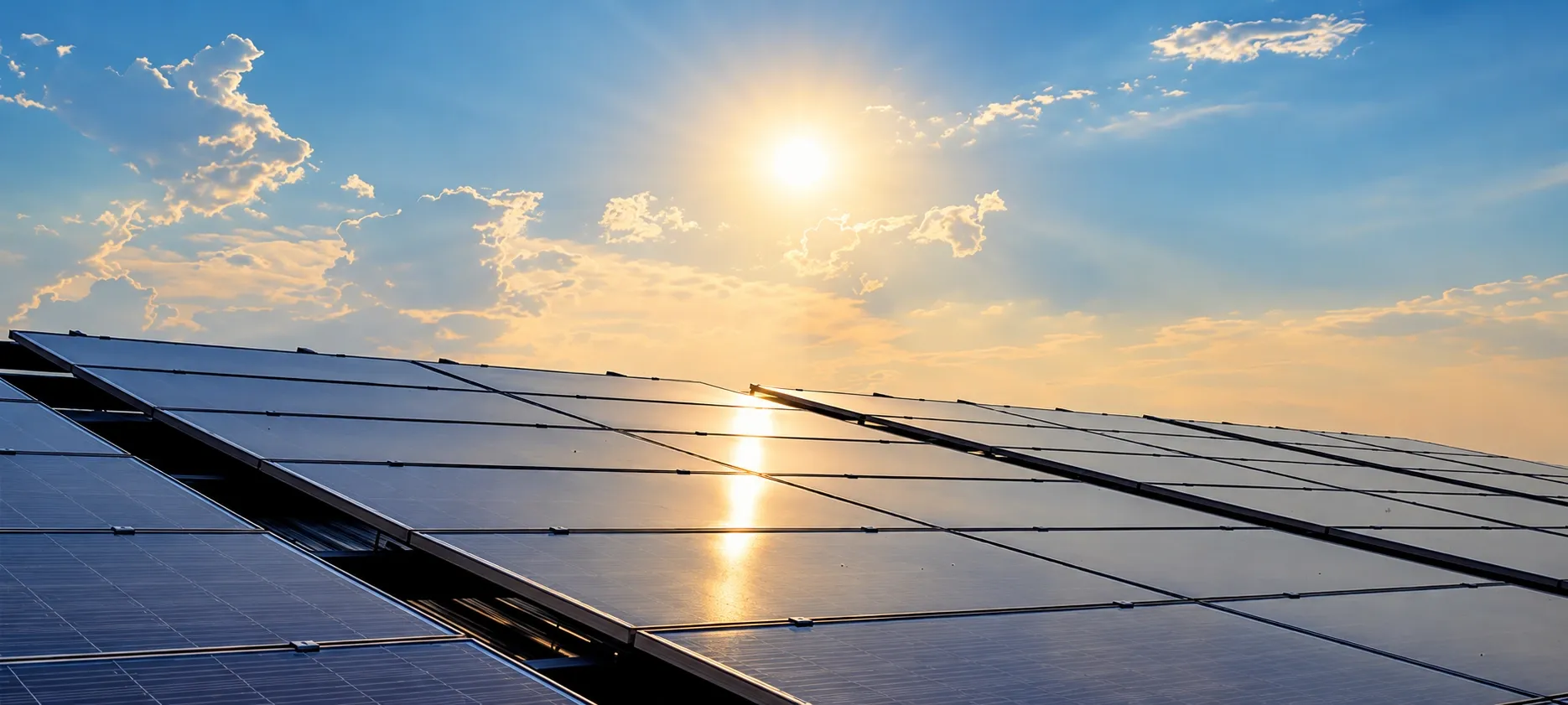
Masdar 1Solar power is central to Masdar’s expansion in Greece, building on its ownership of renewable energy developer TERNA ENERGY. (Image source: Masdar)

Athens, Greece — Masdar has agreed to acquire and develop a solar project exceeding 550 megawatts in Greece while separately exploring clean-power infrastructure for data centers, extending its investment in the country beyond its takeover of renewable energy developer TERNA ENERGY.

The UAE company disclosed the agreements in an announcement linking its expansion to electricity demand from artificial intelligence and cloud computing. The solar acquisition remains subject to approval, while the data center collaboration is at the memorandum-of-understanding stage.

Masdar said it would acquire the solar photovoltaic project from Lightsource bp, with operations expected to begin by the end of 2026.

Battery storage is planned alongside the solar development, and the transaction includes two privately owned substations connecting it to the transmission system.

The company estimates that annual generation would be equivalent to the electricity needs of more than 200,000 homes. That comparison describes anticipated output rather than a commitment to supply those households.

The acquisition builds on an existing corporate foothold. Masdar completed its purchase of TERNA ENERGY in April 2025 after acquiring an initial 70% stake in November 2024. TERNA confirmed that a mandatory tender offer and squeeze-out of remaining shareholders brought Masdar’s ownership to 100%.

The initial transaction assigned TERNA an enterprise value equivalent to approximately $3.58 billion (€3.2 billion).

TERNA brought a portfolio spanning wind, solar, biomass and hydropower, along with operations outside Greece. Its April 2025 announcement identified projects in Bulgaria and Poland and the 680-megawatt Amfilochia pumped-storage development. Those assets give Masdar an established operating and development business through which to pursue further European investments, rather than requiring it to establish a new local platform for each acquisition.

Mohamed Jameel Al Ramahi, Masdar’s chief executive officer, said: "These agreements represent another important milestone in our European growth strategy, expanding our portfolio with a high-quality solar asset that we will develop further with battery storage, and will deliver stable, long-term returns. Our collaboration with Khazna builds on this foundation, exploring opportunities to power Greece’s growing digital economy with clean energy. Through TERNA ENERGY, we are building a stronger renewable energy platform in Greece and the wider region, while creating long-term value for our shareholders, partners and the communities we serve."
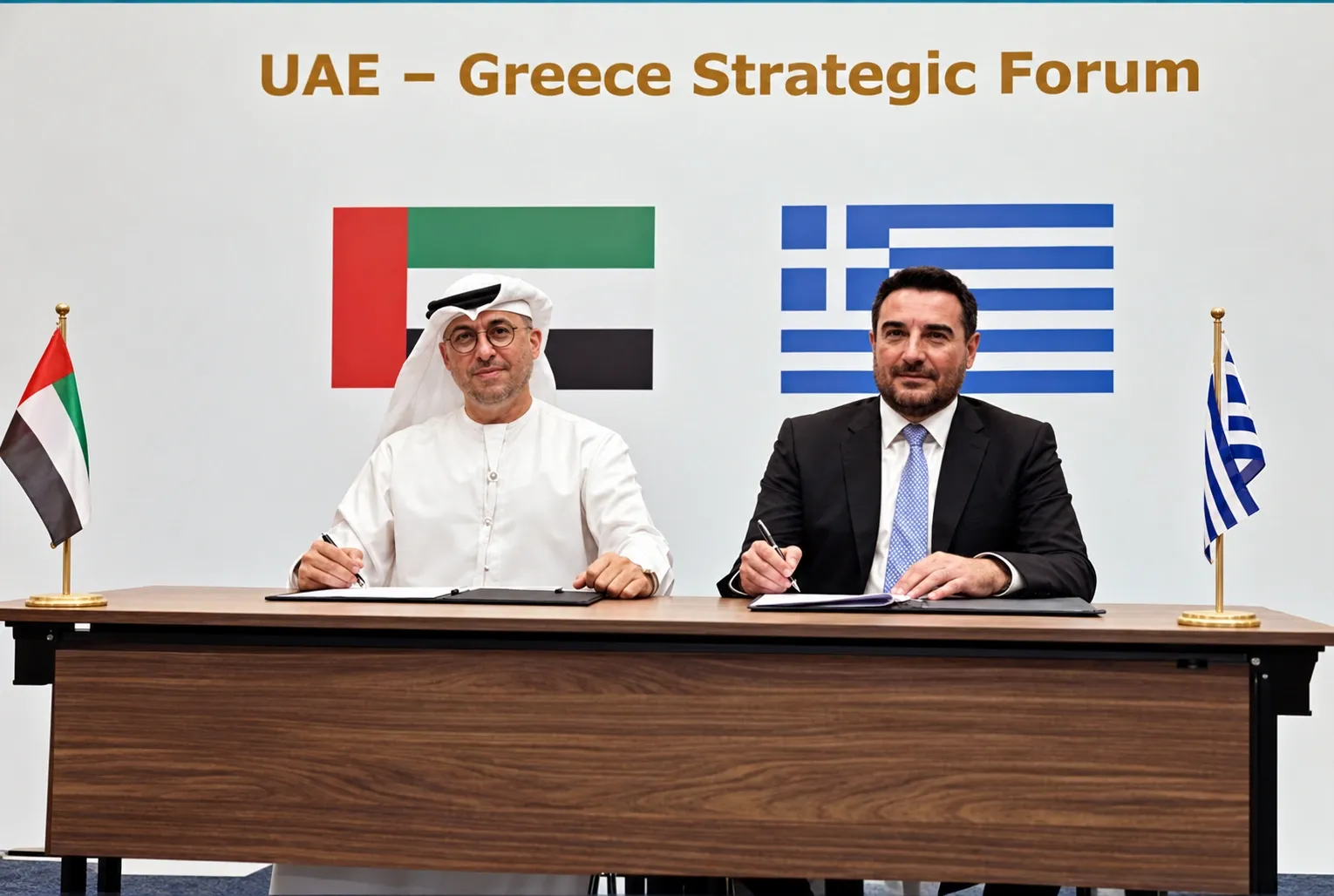
Masdar 2Masdar has agreed to acquire and develop a solar project exceeding 550 megawatts in Greece as it explores clean-power solutions for data centers. (Image source: Masdar)

Alongside the solar agreement, Masdar signed a memorandum of understanding with Khazna Data Centers to investigate renewable electricity and storage solutions for Greek digital infrastructure. The companies described complementary roles in energy and data center development.

Sultan Ahmed Al Jaber, UAE minister of industry and advanced technology and chairman of Masdar, stated: "The UAE and Greece share a strategic partnership built on trust, long-term ambition and a commitment to mutual prosperity. Masdar’s expanding renewable energy portfolio, alongside its new collaboration with Khazna, brings together two essential foundations of the future economy: clean power and digital infrastructure. Together, these initiatives will strengthen Greece’s energy security, support its ambition to become a regional digital hub and unlock new opportunities for investment and economic growth."

A separate G42 announcement dated October 22 provides additional context for Khazna’s interest in Greece. G42 said Khazna and Core42 would work with Copelouzos Group to explore an AI factory combining physical data center infrastructure with cloud services and computing capacity.

Under that proposed arrangement, Khazna would lead physical infrastructure development and Core42 would supply cloud and AI computing capabilities. Potential users include organizations in banking, telecommunications, shipping and government. G42 said the parties would subsequently define project structures and timelines, with implementation dependent on definitive agreements and applicable regulatory approvals.

The wider investment backdrop is growing demand for electricity from computing infrastructure. In its 2026 assessment of energy and AI, the International Energy Agency projects global data center electricity consumption to rise from 485 terawatt-hours in 2025 to about 950 terawatt-hours in 2030, approaching 3% of worldwide demand.

The IEA identifies electricity supply, grid connections and investment as key factors shaping data center expansion. Its assessment highlights the growing connection between digital infrastructure development and energy planning as demand for computing capacity increases.

Battery storage also has a role in meeting that demand. The agency says AI workloads can cause rapid fluctuations in electricity use, increasing the need for flexible power systems. Masdar’s plan to add storage to the Greek solar project reflects this broader focus on integrating renewable generation with infrastructure that helps balance electricity supply and demand.