SAN JOSE, California — Google has released TorchTPU, its native PyTorch software stack for Google Tensor Processing Units, as open source on GitHub, letting developers run existing PyTorch workloads on its artificial intelligence chips with minimal code changes.
Google's release of TorchTPU marks another step in its efforts to expand the use of its AI processors and strengthen its position in a market dominated by Nvidia. By making the software open source, Google aims to lower barriers for developers using PyTorch and encourage wider adoption of its Tensor Processing Units.
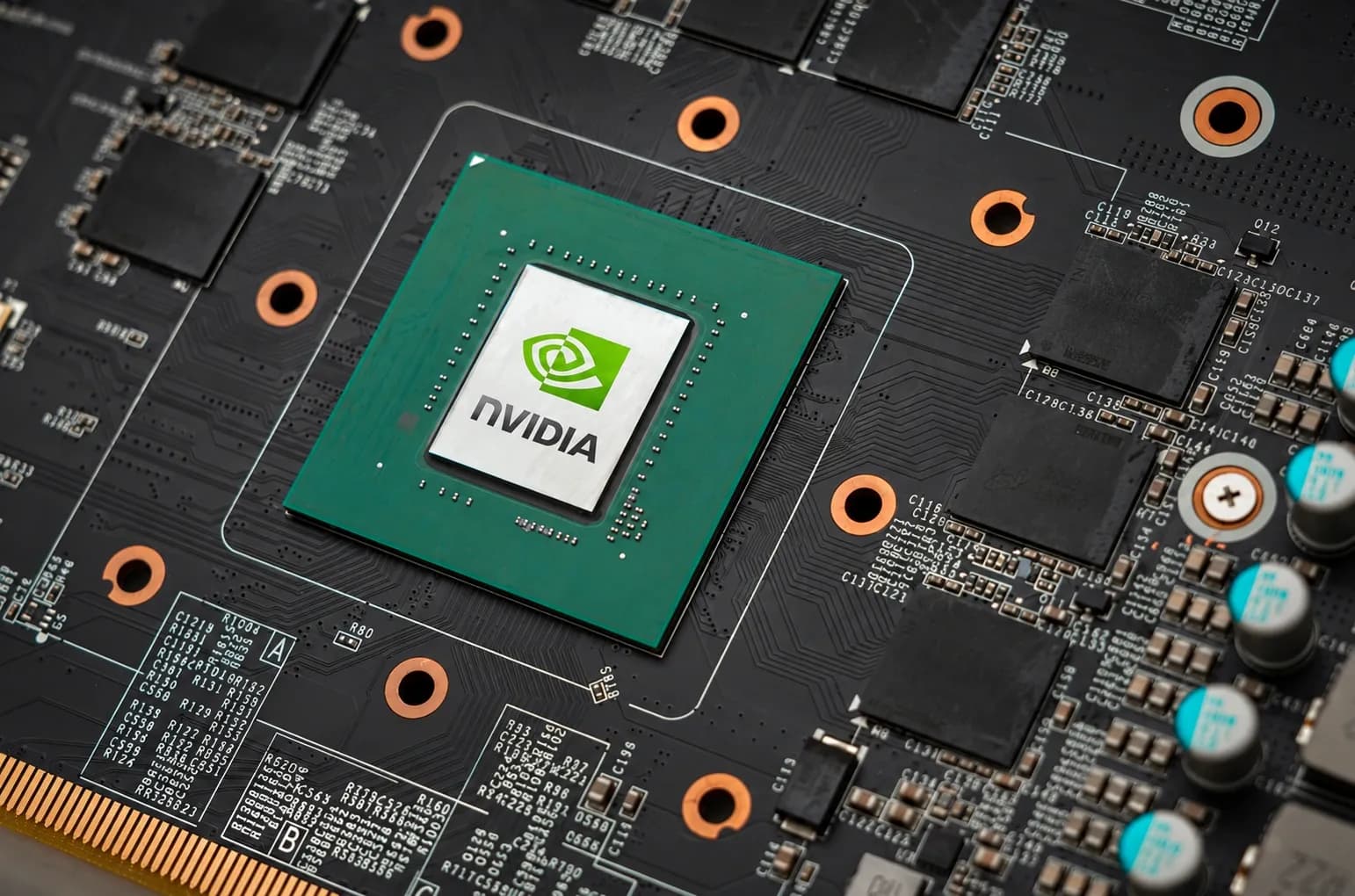
Nvidia has established a strong position in AI computing through CUDA, its software platform for accelerating computing workloads on GPUs. CUDA is widely supported by PyTorch and plays an important role in training and running AI models. This established software ecosystem has helped Nvidia maintain its competitive advantage, while Google's TorchTPU introduces another option for developers seeking to run PyTorch workloads on alternative AI hardware.
Demand for Nvidia's hardware also remains strong. This week, Chinese technology giants ByteDance, Alibaba and Tencent reportedly placed orders for more than 3 million Nvidia RTX PRO 5500 graphics cards, with a combined estimated value exceeding $35 billion.
Google's TPUs have traditionally relied heavily on JAX, a machine-learning framework widely used within the company, creating an additional learning curve for developers accustomed to PyTorch. TorchTPU aims to address this challenge by enabling developers to run PyTorch workloads directly on Google's AI processors, potentially reducing the effort required to adopt TPUs as an alternative to Nvidia GPUs.
TorchTPU was co-developed with the PyTorch team at Meta. Developers can debug models in eager mode, then move to production-level performance through torch.compile to optimize TPU utilization and reduce memory overhead, and the stack supports standard PyTorch APIs, advanced diagnostics and native distributed primitives out of the box.
Jana van Greunen, Director of PyTorch Engineering at Meta, said: “At Meta, advancing the frontier of AI requires immense compute scale and deep hardware diversity. We cannot be constrained by a single hardware architecture. TorchTPU is a massive step forward — allowing us to co-develop hardware flexibly with the core machine learning systems team while supporting major LLM, Ads, and Recommendation systems workloads on key production use cases. It enables us to deploy our PyTorch workloads to Google TPUs, provide direct feedback to the engineering teams, and build the ecosystem flexibility everyone needs.”
Google also partnered with Hugging Face so that popular open-weight models across the Hugging Face Hub run natively on TorchTPU. In Transformers v5, deploying models to TPUs is done by setting device_map to tpu, and the Diffusers library runs natively on TPUs with support for eager mode, torch.compile and tensor parallelism.
Jeff Boudier, VP Product of Hugging Face, said: “Hugging Face is committed to being an open, neutral platform where AI builders can choose the models, frameworks and hardware that work best for them. Hardware diversity is essential to making open-source AI accessible to everyone. Our collaboration with Google to bring native TorchTPU support to our core libraries, including Transformers, puts that commitment into practice. Together, we’re making it easier for the community to run popular models from the Hub efficiently on Google Cloud TPUs using familiar PyTorch workflows. Giving developers more choice in how and where they build helps the entire open-source ecosystem grow.”