@2026 Finance News International. All Rights Reserved.

Blends Media
A Blends Media Group Production

U.S. Banking Regulator Finalizes Rules for Stablecoins Under GENIUS Act

Arry Hashemi
Arry Hashemi
Oct. 23, 2026
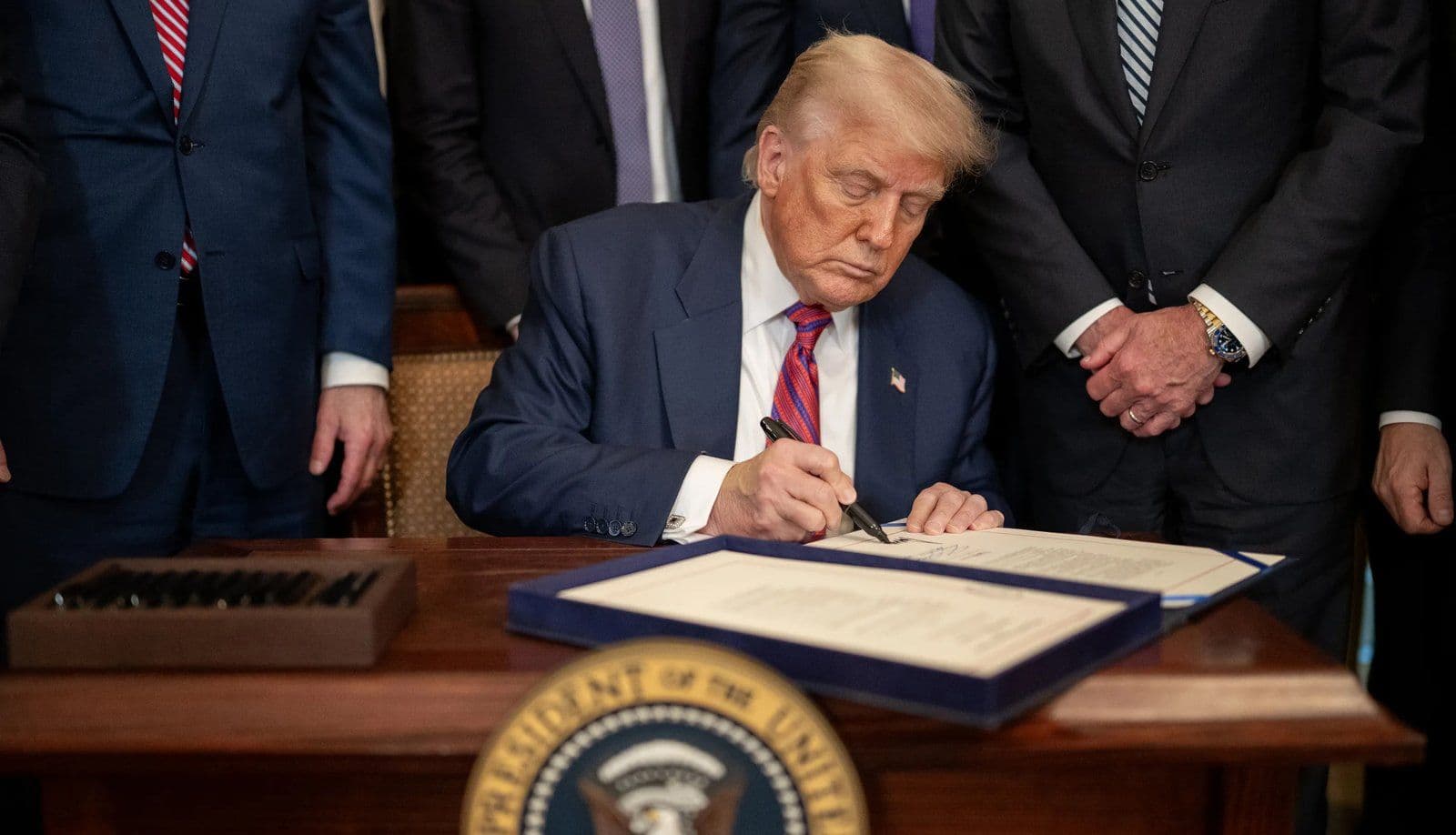
President Donald Trump signing the GENIUS Act at a desk surrounded by officialsPresident Donald Trump signs the GENIUS Act at the White House in Washington on July 18, 2025. The legislation established a federal regulatory framework for payment stablecoins. (Photo: Daniel Torok/White House)

Washington, D.C. — The Office of the Comptroller of the Currency, the federal regulator for national banks and federal savings associations, has adopted a final rule implementing the GENIUS Act, setting the requirements stablecoin issuers under its oversight must meet once the law takes effect on January 18, 2027.

GENIUS stands for Guiding and Establishing National Innovation for U.S. Stablecoins, and the rule applies to permitted payment stablecoin issuers and foreign payment stablecoin issuers within the OCC's jurisdiction, plus certain custody activities carried out by entities the OCC supervises.

According to the OCC, the rule addresses nearly all the regulations required under the GENIUS Act, with certain exceptions. Provisions related to the Bank Secrecy Act, financial compliance requirements and sanctions administered by the Office of Foreign Assets Control will be addressed through a separate rulemaking process in coordination with the U.S. Treasury Department.

The final text follows a consultation that drew hundreds of comments on the OCC's proposal. The agency said they came from a wide range of stakeholders, among them crypto-focused companies, community bankers, trade groups and academics.
U.S. Secretary of the Treasury Scott Bessent said: “The GENIUS Act marks a watershed moment in American finance, further cementing the United States as the crypto capital of the world. Just as President Abraham Lincoln’s National Currency Act of 1863 established a national framework for bank-issued currency, the GENIUS Act establishes a federal framework for payment stablecoins in the digital age.”

He added: “The OCC’s final rule carries that landmark legislation forward, providing a clear, practical foundation for private-sector innovation, competition, and American leadership in digital assets.”

Jonathan V. Gould, Comptroller of the Currency, stated: “Today’s final rule advances President Trump and Secretary Bessent’s vision for American leadership in digital assets. We are providing a clear, practical framework for payment stablecoin innovation, with strong standards for reserve backing, redemption, and risk management. The OCC is drawing on its longstanding supervisory expertise to support responsible growth and innovation for this new industry.”

Most of the new requirements sit in a new Part 15 of the OCC's regulations (12 CFR 15), the agency's bulletin on the final rule shows. That part sets standards on issuers' activities, reserve assets, redemption, risk management, custody, audits, reports and supervision, as well as a capital and operational backstop.

Part 15 also governs applications and registrations, the examination and supervision of foreign issuers, the move of state qualified issuers into the federal framework and, in certain cases, the revocation of an issuer's approval. Separately, the rule amends existing OCC rules on capital adequacy, prompt corrective action, the assessment of fees, and practice and procedure.

The rule reaches national banks, federal savings associations and federal branches, along with their subsidiaries. It also applies to foreign payment stablecoin issuers, nonbank firms that seek or hold approval as federal qualified payment stablecoin issuers, and state qualified issuers over which the OCC has regulatory or enforcement authority under the act.

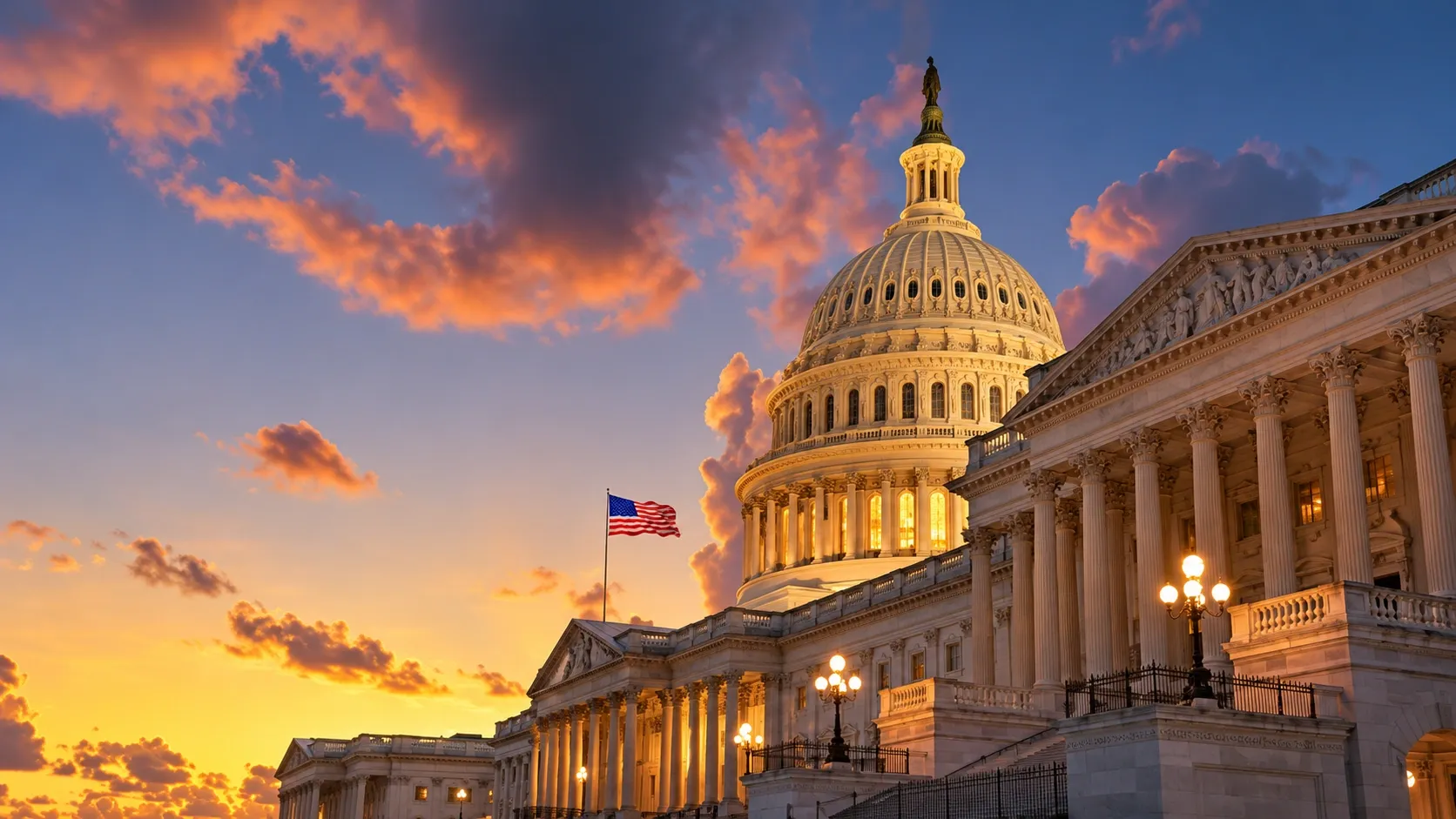
U.S SenateThe GENIUS Act, passed by the U.S. Senate in June 2025, established a federal regulatory framework for payment stablecoins. The Office of the Comptroller of the Currency has now finalized rules to implement key provisions of the legislation. (Shutterstock)

President Donald Trump signed the GENIUS Act into law on July 18, 2025, a day after the House passed it 308–122, following a 68–30 Senate vote on June 17. Under the statute, only approved issuers may, as a rule, put a payment stablecoin into circulation in the United States.

Digital asset service providers are likewise barred from offering or selling such tokens to people in the United States unless they come from an approved issuer, or from a foreign issuer that satisfies certain conditions. The OCC put out its proposed version of the rule on February 25, 2026, and the proposal was printed in the Federal Register on March 2.

Issuers can't apply yet. The OCC plans a separate news release announcing when it will begin taking in, and working through, applications and waiver requests from would-be issuers. A companion bulletin on waivers and applications says the start depends on the Office of Management and Budget giving final sign-off to the data collection that underpins the application forms.

The same guidance states that, beginning January 18, 2027, issuing a payment stablecoin in the United States without the required approval may result in legal consequences. Issuers with a substantially complete application pending with the OCC on or before that date may request a waiver, which can remain in effect for up to 12 months from the effective date.

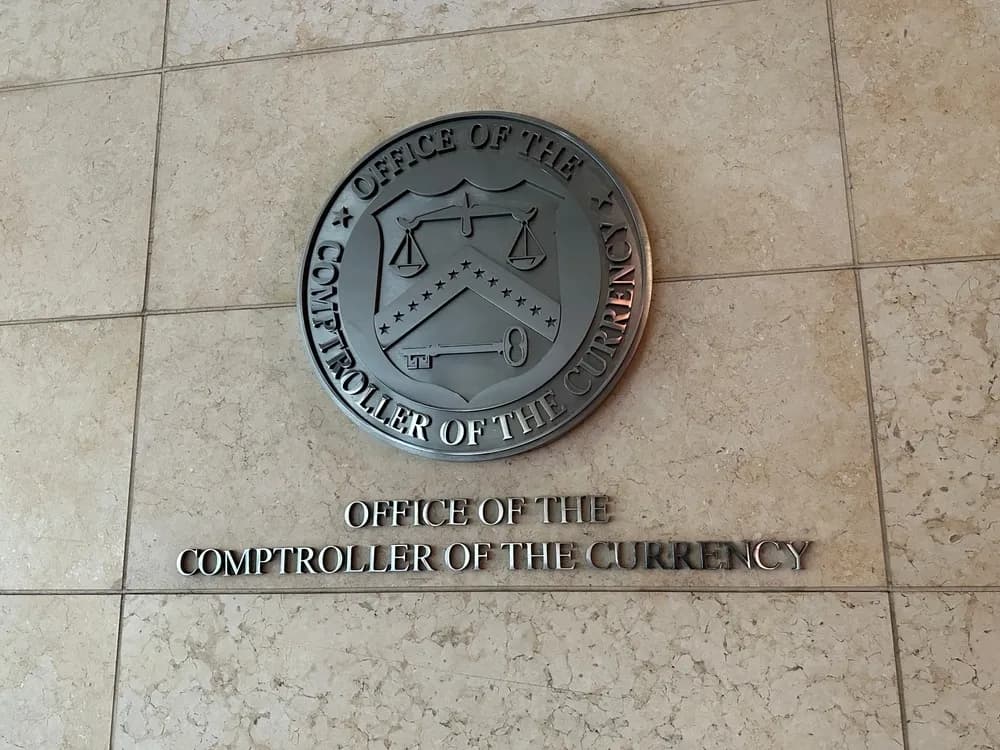
OCCThe Office of the Comptroller of the Currency oversees federally chartered banks in the United States and has introduced new regulatory requirements covering stablecoin reserves, redemptions and risk management under the GENIUS Act. (Shutterstock)

The OCC said it generally expects to grant waivers from the prior approval requirement to issuers already operating in the country, unless its review turns up more compelling reasons to refuse. It has found no compelling, generally applicable reason to waive the act's other requirements, noting that issuers have had 18 months since the law passed to prepare.

Firms not yet issuing in the United States are generally expected to wait for approval before starting operations, in line with the agency's approach to new bank charters. That could give stablecoins already in circulation a head start, while new entrants may have to wait for application windows and reviews before they can launch.

Alongside the rule, a third bulletin updates the reporting forms, and the instructions for completing them, that approved issuers supervised by the OCC will file. The agency said it will keep coordinating with other agencies that implement parts of the act and, given how young the industry is, will watch its evolution and structure closely and adjust its supervisory and regulatory framework where needed.

Once a filing arrives, the OCC has committed to telling the applicant within 30 days whether it is substantially complete, and to decide on complete applications no later than 120 days after that determination. The final rule and the GENIUS Act both take effect on January 18, 2027.