@2026 Finance News International. All Rights Reserved.

Blends Media
A Blends Media Group Production

UAE Economy Set for 7.3% Growth Surge in 2027, IMF Say

Arry Hashemi
Arry Hashemi
Nov. 18, 2026
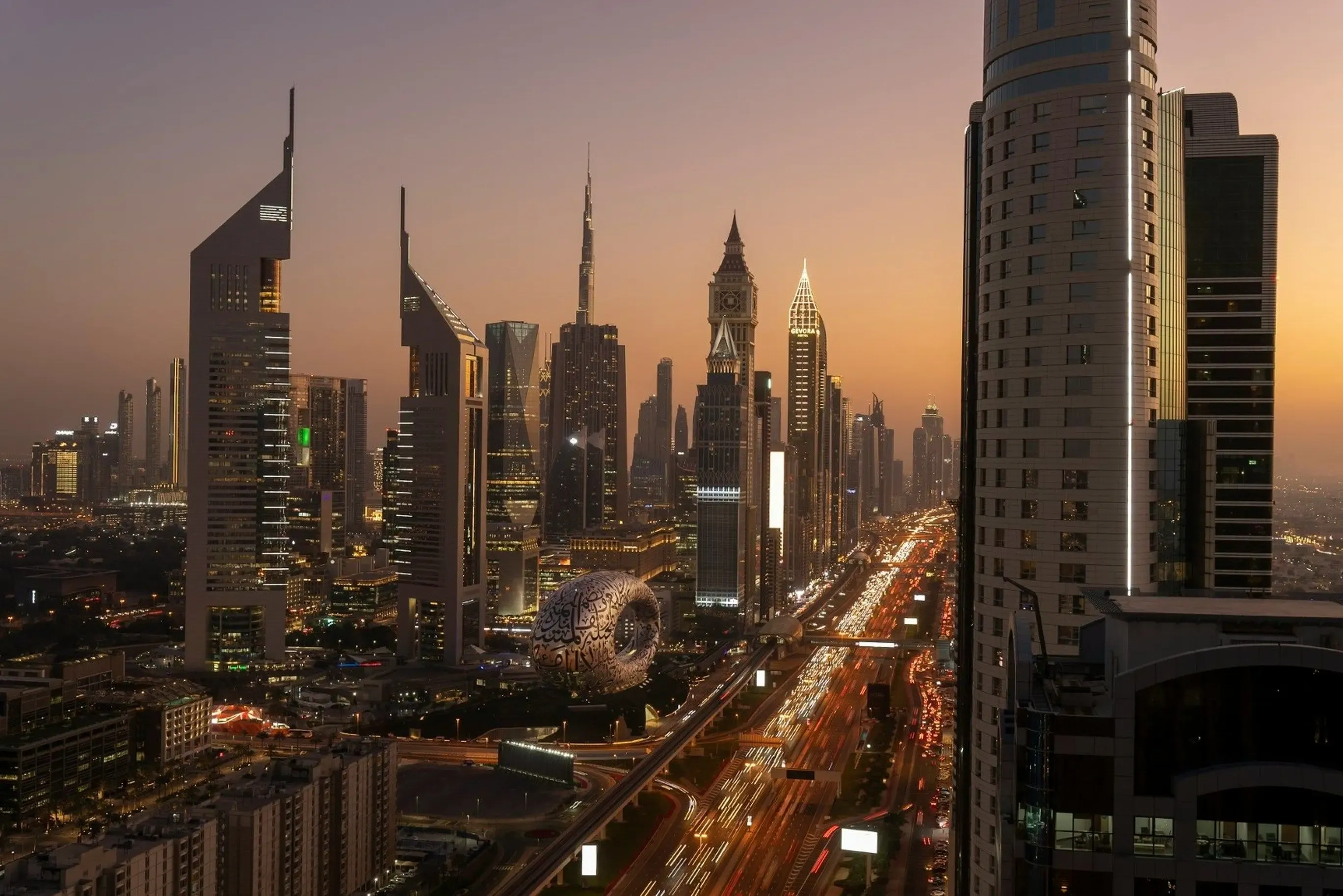
UAEThe IMF expects the UAE's non-oil economy to grow 5.4% in 2027, helping lift overall growth to 7.3%. (Unsplash)

Abu Dhabi, United Arab Emirates — The International Monetary Fund expects the UAE's real GDP to expand 7.3% in 2027, recovering from growth of just 0.2% this year, its staff said after a two-week visit.

Said Bakhache, who led the IMF team in the country from November 3 to 17, set out the projections in an end-of-mission statement for the 2026 Article IV consultation, the Fund's regular health check of a member's economic and financial policies. The statement gives the staff team's preliminary findings, not a decision by the IMF's Executive Board.

The 2027 figure assumes the regional disruptions are lifted. Under that scenario, non-hydrocarbon activity contracts 0.5% in 2026 and then grows 5.4% the following year, while hydrocarbon output rises 2.3% this year and 13.3% in 2027.

Prices are likely to stay high for a while. The IMF sees inflation averaging about 5% in 2026, slowing to about 3% in 2027 and settling toward 2% over the medium term once supply pressures and base effects fade.

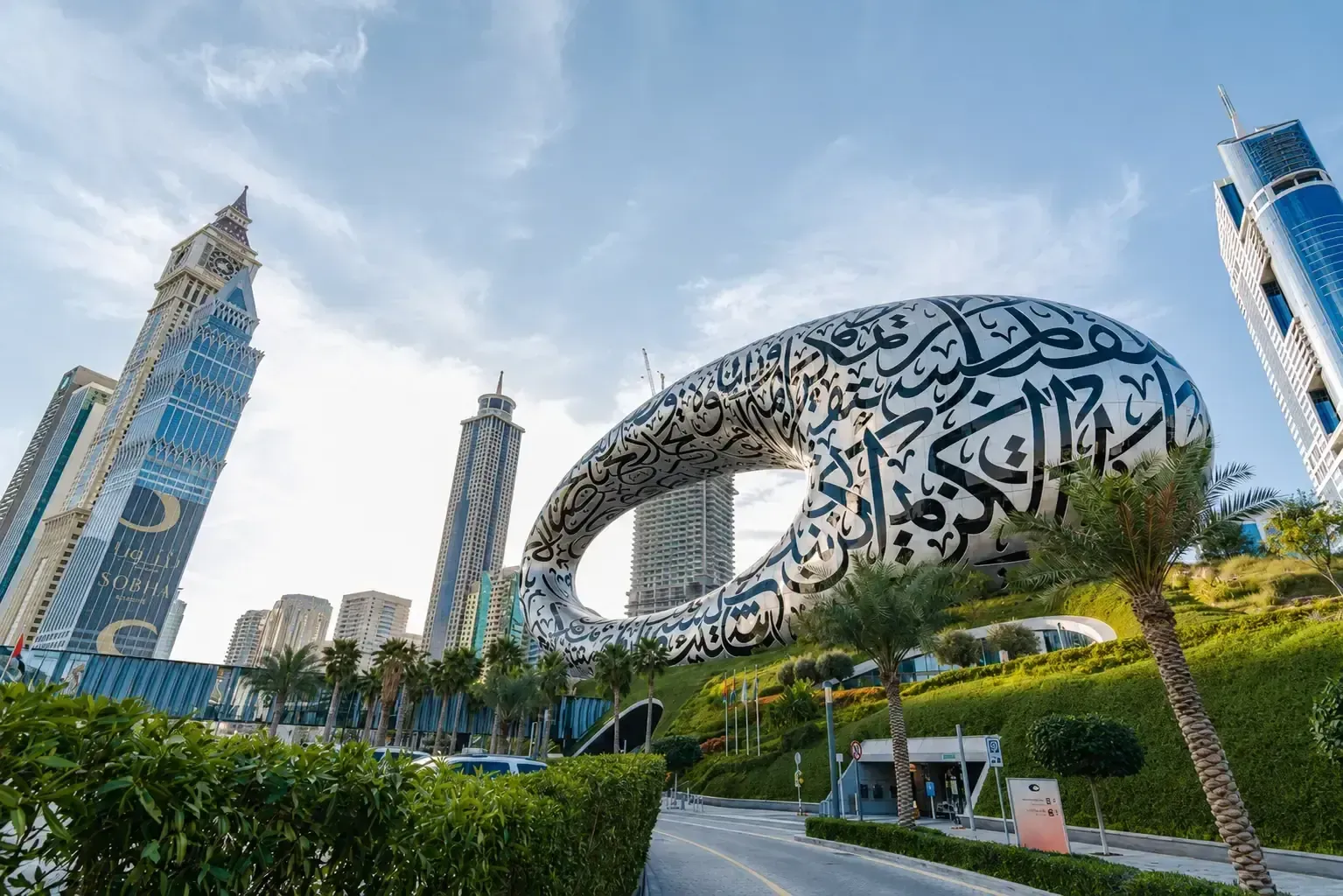
UAE 2Strong buffers and a well-capitalized banking system have anchored the UAE's resilience, the IMF says. (Unsplash)

Said Bakhache, IMF Mission Chief for the UAE Article IV Mission, said: “The UAE economy has demonstrated strong resilience to regional disruptions, supported by the authorities’ swift policy response.”

According to the statement, the economy had solid momentum in January and February before the regional disruptions began. Large public-sector and external buffers, a well-capitalized banking system and targeted fiscal and financial measures helped cushion the impact, Bakhache said, and oil production has since recovered while trade, aviation and tourism data point to a gradual pickup.

On banks, the IMF said the financial system remains resilient, with large capital and liquidity cushions and asset quality that keeps improving. With inflation elevated and lending growing fast, it called for close watch over liquidity, funding, asset quality and sector exposures, and said temporary relief measures should be reviewed and unwound as conditions continue to improve.

The staff also backed further work on the Dirham Monetary Framework, deeper interbank and capital markets and stronger liquidity backstops to improve monetary transmission. Real estate activity has cooled from its peaks, with conditions differing by emirate and segment, they said, adding that regulators should keep a close eye on property and construction exposures, cybersecurity, emerging financial technologies and nonbank lenders.

The Central Bank of the UAE (CBUAE), which coordinated the visit with federal and local government entities and the private sector, said discussions covered growth prospects, monetary and prudential policy, banking sector resilience and the Dirham Monetary Framework. It said total banking assets topped approximately $1.58 trillion (AED 5.815 trillion) at the end of the third quarter of 2026, supported by growth in credit and deposits and better asset quality.

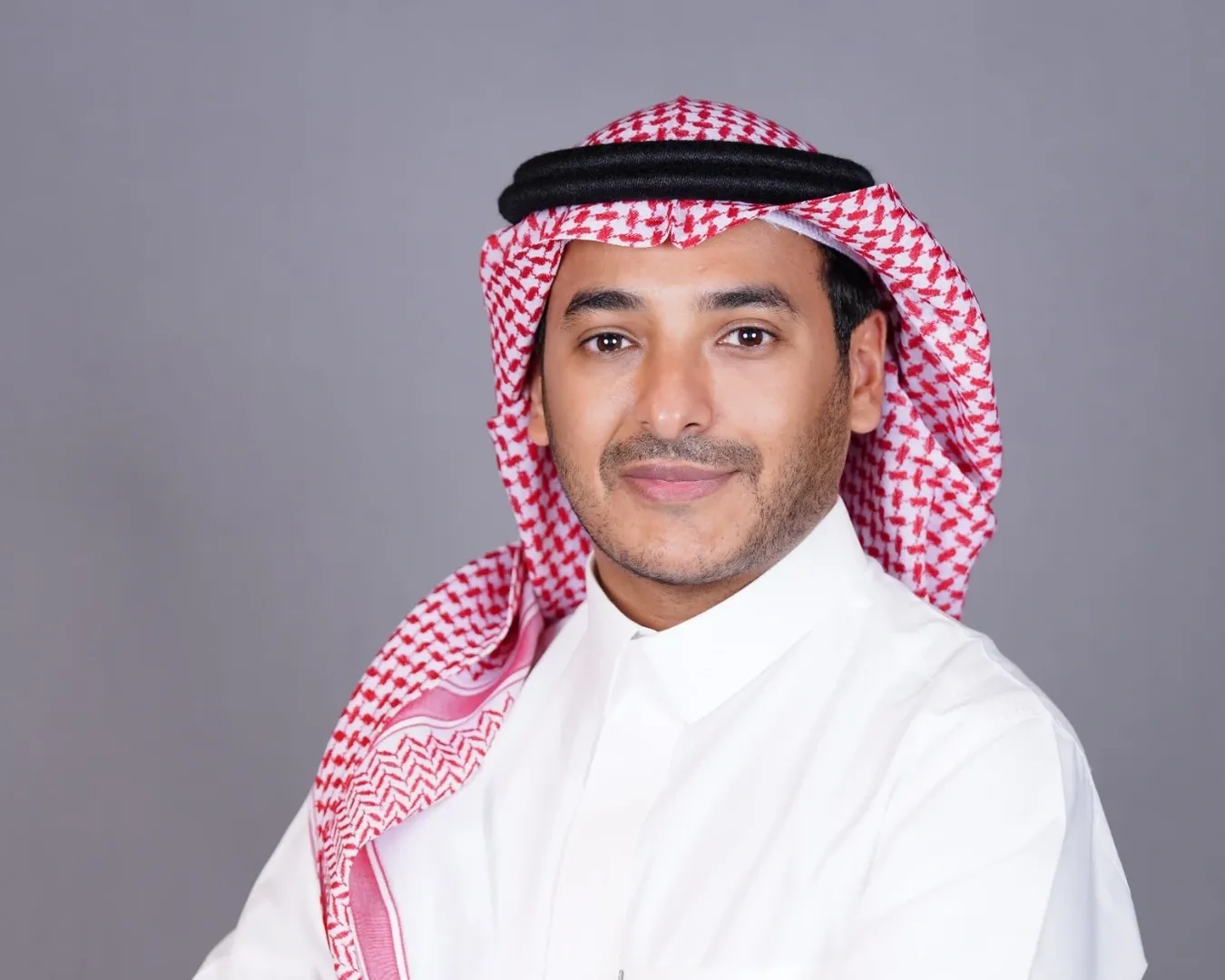
UAE 3Trade, aviation and tourism are regaining momentum across the UAE. (Shutterstock)

H.E. Khaled Mohamed Balama, Governor of the CBUAE and Governor for the UAE at the IMF, who chaired the closing meeting at the central bank's Abu Dhabi headquarters, said: “The resilience of the UAE economy and its high capacity to adapt to global developments and sustain growth embody the wise vision of our leadership and the effectiveness of the country’s proactive policies, which have reinforced the pillars of financial and monetary stability and solidified the UAE’s standing as a leading global economic and financial center.”

Balama said the central bank is pressing ahead with a proactive approach to monetary and supervisory policy, and added: “Our continuous and close cooperation with the IMF reflects our commitment to keeping pace with international best practices and standards by advancing monetary and supervisory policy frameworks and enhancing the efficiency of the financial system and its ability to navigate global developments. We continue to develop our financial infrastructure to support the competitiveness of the national economy and cement its position on the global financial stage.”

The central bank's release quoted Bakhache as saying: “The UAE economy has demonstrated resilience and strength in facing regional disruptions, supported by agile and targeted government policy responses, fiscal buffers, robust infrastructure, and a well-capitalized banking system.” In its account, he also credited CBUAE initiatives with strengthening financial institutions and described the 2026 support package, backed by other government measures, as a fitting response to the disruption of supply chains. In March, the CBUAE board approved a five-pillar Financial Institution Resilience Package that included temporary relief on liquidity ratios and capital buffers.

The Fund welcomed the UAE's drive to sign more Comprehensive Economic Partnership Agreements (CEPAs), open alternative trade corridors and shore up supply chains, and said reforms in skills, digital government and logistics would help diversify exports. As AI use spreads, it said, governance, data protection, cybersecurity and training will be needed to capture the productivity gains.

The IMF's 2027 projection is also well below the central bank's own estimate, published when the consultation opened on November 4, of around 10% growth in 2027 after 1.6% this year, a gap that suggests the size of next year's rebound may hinge on how quickly the disruptions clear.

IMF staff also praised progress in compiling balance-of-payments and GDP data and Government Finance Statistics. Their preliminary findings will now go into a staff report that, subject to management approval, will be presented to the IMF's Executive Board for discussion.