@2026 Finance News International. All Rights Reserved.

Blends Media
A Blends Media Group Production

NVIDIA Board Not Considering Jensen Huang's Return, FT Says

Arry Hashemi
Arry Hashemi
Nov. 17, 2026
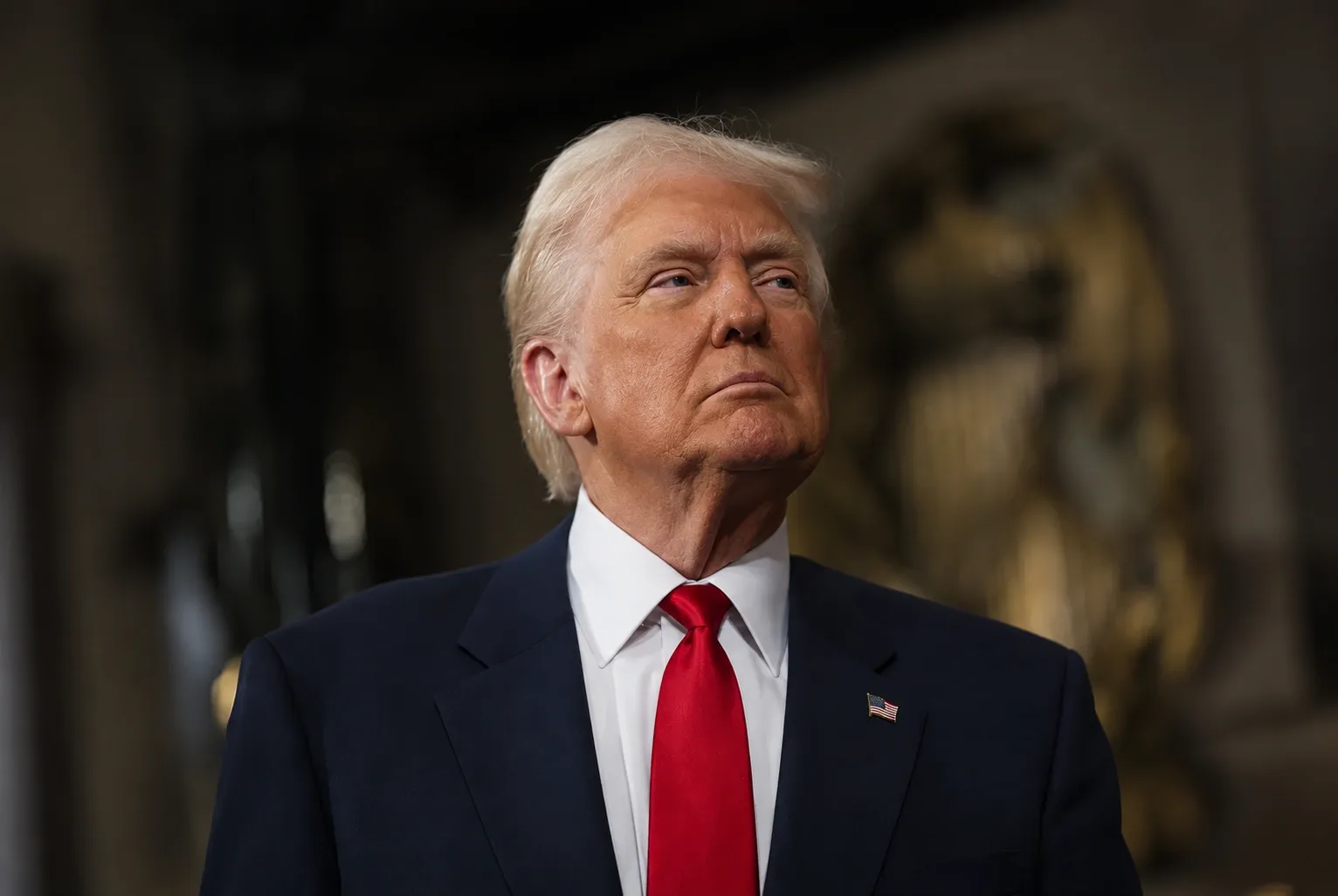
Jensen HuangJensen Huang, who co-founded NVIDIA, resigned as its president and chief executive last week; the board is reportedly not considering his reinstatement. (Shutterstock)

Santa Clara, California — NVIDIA's board is not considering bringing Jensen Huang back as chief executive, the Financial Times reported, citing people familiar with the matter, even though US President Donald Trump has said he is open to the co-founder's return after an infidelity scandal pushed him out.

The report is the latest turn in a crisis that began when it emerged that Huang had an extramarital affair with Alice Huang, a woman US intelligence officials believe was recruited as a spy by China's intelligence agency. Huang quit as president, chief executive and board member last week, while the board of the $4 trillion chipmaker ran an independent probe into what the FT called a spectacular leadership crisis.

Calls for a reversal have grown louder since then. A campaign led by several prominent technology figures to restore Huang gathered momentum, and Trump told reporters that he would not mind seeing Huang reinstated. The FT had reported a day earlier that Huang himself had discussed a possible return to NVIDIA with confidants.

According to the newspaper, directors, several of whom have worked alongside Huang for years, are running their own independent review of how he behaved. The FT also reported last week that directors had approached Rene Haas, chief executive of Arm, as they looked for a successor.

NVIDIA's own public statements have not addressed a return. In its November 12 announcement, the board said it was starting a search for a permanent chief executive and would consider internal and external candidates. Colette Kress, executive vice president and chief financial officer, is serving as interim CEO while keeping her finance role, and Harvey C. Jones was named the company's first-ever chair of the board.

The company's filing with the US Securities and Exchange Commission shows the board accepted Huang's resignation on November 11. Jones, 73, has served on NVIDIA's board since 1993 and has run Square Wave Ventures, a private family office, as managing partner since 2004, the filing states.
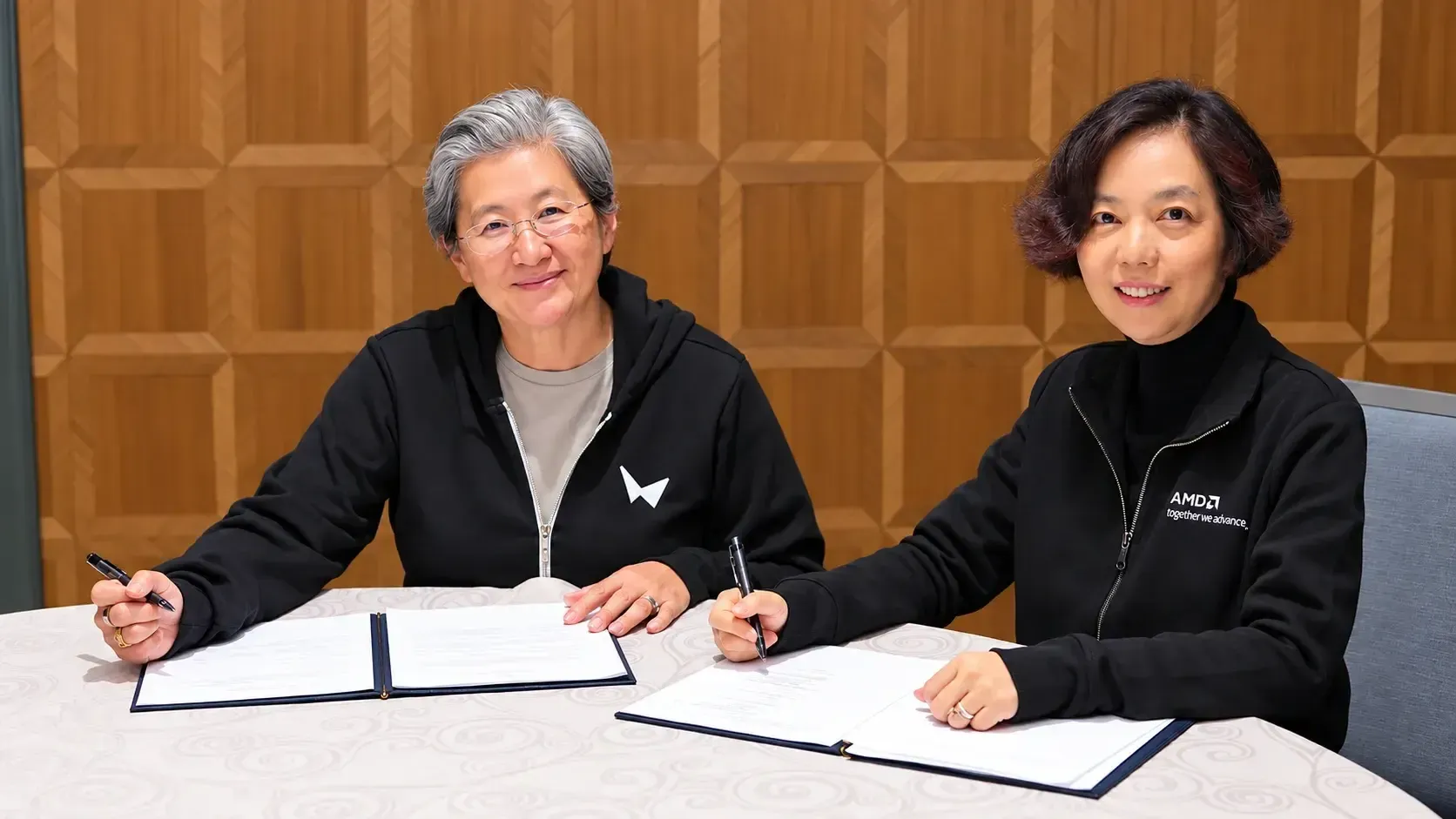
TrumpUS President Donald Trump said he was open to Jensen Huang returning as NVIDIA chief executive, calling the idea one that “certainly isn’t a bad idea.” (Brian Jason/Shutterstock)

Trump, speaking to reporters suggested that Huang's return could help NVIDIA develop its next generation of advanced chips. Trump said: “Jensen obviously has two things going on. He has a family situation which is a rough deal. What he wants to do is sell chips,” and added: “I think having Jensen go back . . . that certainly isn’t a bad idea.”

Speaking to reporters before leaving Washington for Asia, Trump questioned whether Alice Huang was a spy. “I don’t know that she’s a spy at all,” he said. “Nobody’s proven that.” Asked whether the alleged affair had put US national security at risk, Trump said it had not. He was expected to meet Chinese President Xi Jinping and Russian President Vladimir Putin for three-way talks in Shenzhen later that week.

The affair has also fed concern in Washington about how well US chip export controls are working. Alice Huang was an executive at Megaspeed, a Singapore-based company with links to China that NVIDIA sold chips to.

Trump acknowledged on Monday that Washington is divided over its approach to Beijing. He said: “One view is you don’t want to insult China. We have a very good relationship with China,” and continued: “And the other view is just . . . down and dirty and do what you have to do.”

NVIDIA’s chip sales to Megaspeed, a company with links to China, exposed a split within the Trump administration. On Friday, Treasury Secretary Scott Bessent blamed the Commerce Department, led by Howard Lutnick, for failing to block exports of NVIDIA chips to Megaspeed. Trump acknowledged that the two officials disagreed and said he had no plans to replace Lutnick. He said Lutnick may have delayed adding Megaspeed to the US trade blacklist to avoid a confrontation with China.

Washington has meanwhile moved to limit remote use of AI chips and servers, as lawmakers in both parties press to curb overseas sales of sensitive chips, the FT reported. In a release dated November 16, the Bureau of Industry and Security (BIS), part of the Commerce Department, published an interim final rule that it said the Treasury Department and the National Security Council had written and directed. BIS said the rule aims to “prevent certain foreign actors from leveraging advanced computing power based on US technology” in ways that could “threaten US national security”.

Its target is a gap that has let Chinese firms tap leading-edge US technology by renting capacity in data centers elsewhere in Asia. Shipments of advanced semiconductors to Singapore, Brazil, Thailand, Malaysia and Indonesia will require an extra license, as the department considers that those markets “present a higher-than-normal risk of diversion”. BIS said: “The rule is designed to ensure that existing restrictions on access to sensitive American technology cannot be circumvented through remote computing arrangements involving data centres in third countries,” adding that the rule brings the controls on remote access more closely in line with those already covering physical shipments of sensitive US technology.

Craig Singleton, who follows US-China technology rivalry at the Foundation for Defense of Democracies, said the measure set up a “much-needed licensing requirement for shipments to overseas data centres that serve Chinese customers at scale”, though he argued that an outright ban would have worked better. Congress is separately speeding up efforts to stop advanced AI chips from reaching China.

The new licensing could hit neoclouds whose business is renting graphics processing units to Chinese technology companies, naming Britain's Nscale and Japan's Datasection as examples. Both may have to obtain US licenses if they want to go on serving those clients.