@2026 Finance News International. All Rights Reserved.

Blends Media
A Blends Media Group Production

Sharjah Unveils Uruk: The Next Generation of AI-Enabled Sustainable Cities

Arry Hashemi
Arry Hashemi
Oct. 29, 2026
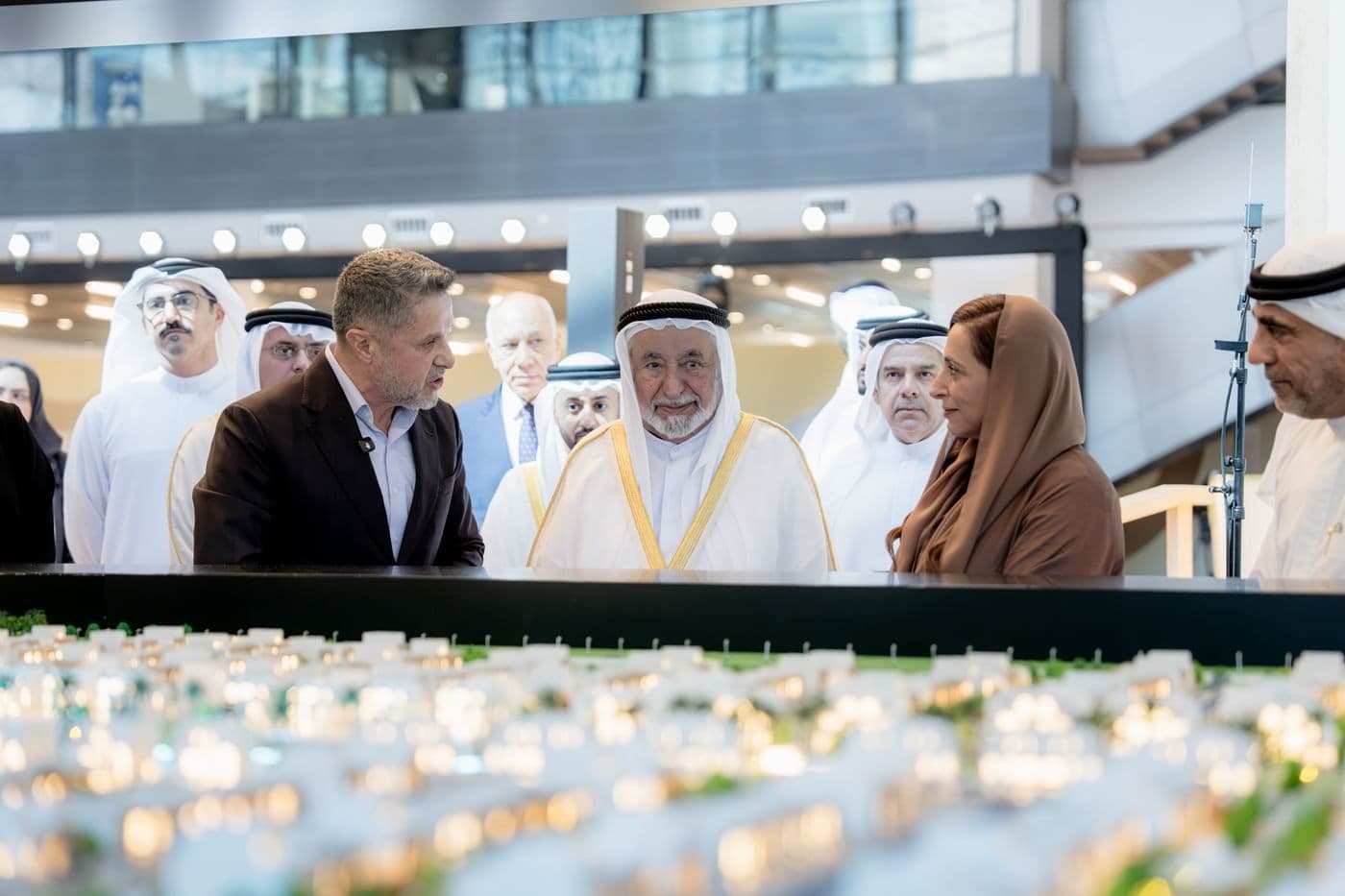
Iluminated model of Uruk CityUruk City aims to bring research into everyday urban life, providing a place to test AI and sustainable solutions for water, farming and city services. (Image source: WAM)

Sharjah, United Arab Emirates — Sharjah has inaugurated Uruk City, a project its backers present as a model for a new generation of sustainable cities, at the opening of the second Sharjah Next forum, attended by the emirate’s Ruler, His Highness Sheikh Dr Sultan bin Mohammed Al Qasimi, a member of the UAE Supreme Council.

Sheikh Dr Sultan launched the city by tapping a tablet during the morning ceremony at the Sharjah Research, Technology and Innovation Park (SPARK), with Her Highness Sheikha Bodour bint Sultan Al Qasimi, who chairs SPARK, at his side. He then studied a model of Uruk City, which organizers describe as a single setting where knowledge, scientific research and hands-on application come together, and which they say should strengthen Sharjah’s standing as an innovation hub and the UAE’s part in shaping how cities develop around the world.

A film screened for the Ruler presented the project as a fresh take on urban living: technology and innovation would be used to get more out of resources and free up time, giving people more room to live healthier and more prosperous lives. The city is also meant to rethink how urban spaces serve their residents and to double as a research center, where new solutions can be built, trialed and rolled out under real conditions.

Fares Saeed, Founder and Chairman of the Board of SEE Holding, told the audience that Uruk City would grow its own food and generate its own energy and water, running without relying on conventional utility networks, and would put artificial intelligence to work for the wellbeing of its people. Covering life’s essential needs, he argued, is the basis on which security and prosperity for all can be built.

Saeed placed the project in a long regional story, recalling that the first cities appeared in Mesopotamia more than 5,000 years ago. AI is now driving a new global shift, he said, and the world needs a template for future cities that uses technology to conserve resources, leaves people more time for their families and their health, and opens up learning and creativity. The concept is drawn from a blueprint for the cities of 2050, and Saeed said developing them starts now.

He credited Sheikha Bodour with gathering the partners and know-how behind the project, which combines SPARK’s research and innovation capabilities, the American University of Sharjah’s academic and scientific expertise, and SEE Holding’s track record in sustainable urban development. Saeed described it as an ambitious project launched from Sharjah to the world and said it fits the sustainability vision of the forum. A city built to operate off conventional grids could give researchers a live testbed for water, energy and food technologies. The announcement did not, however, put a cost, site, size or construction timeline on Uruk City, so for now it stands as a declared vision and a model rather than a project under construction.
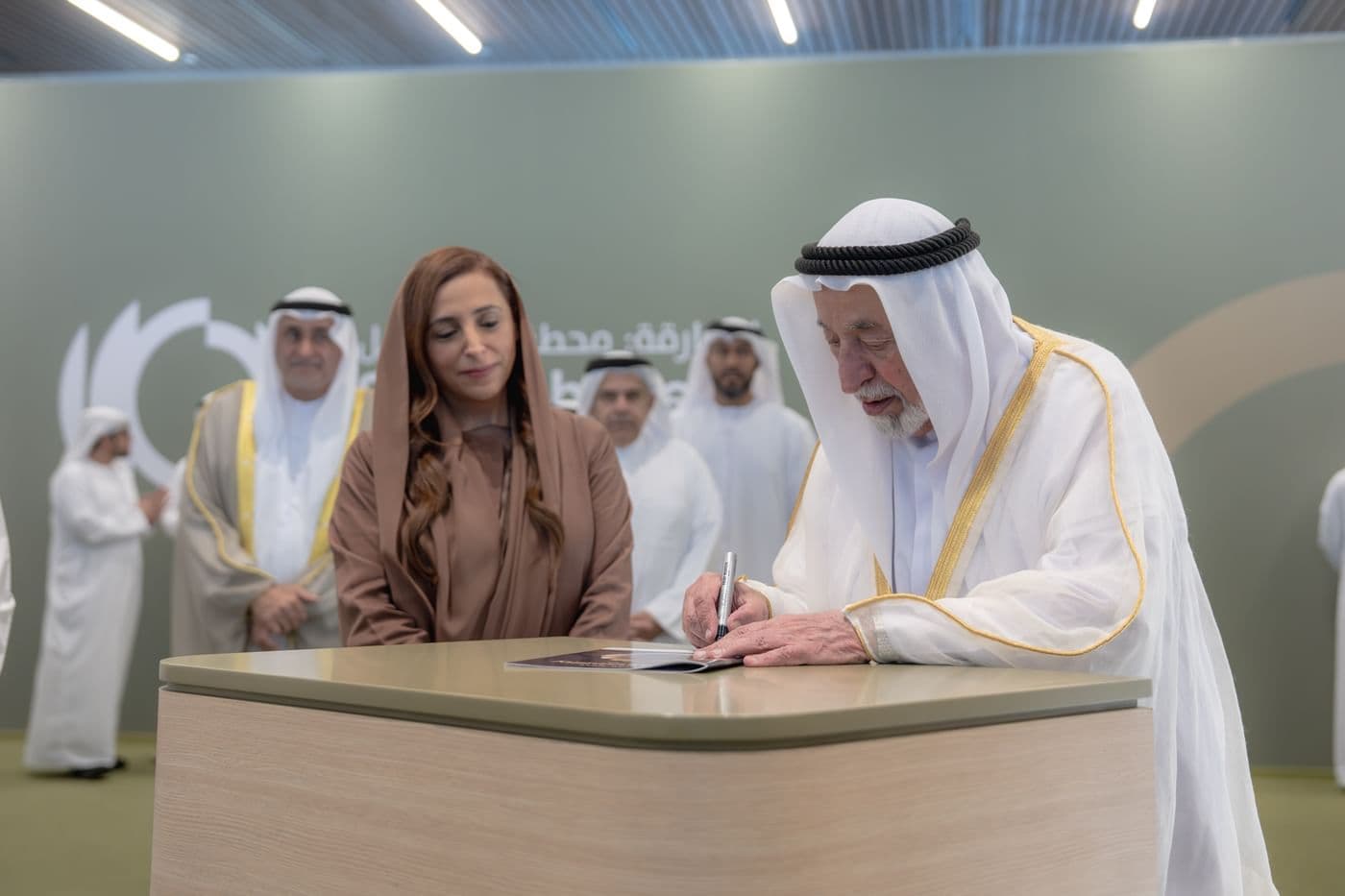
Iluminated model of Uruk City 2Uruk City’s vision centres on producing its own food, energy and water, with AI helping to manage resources and improve residents’ daily lives. (Image source: WAM)

Hussain Al Mahmoudi, CEO of SPARK, told guests the park’s ecosystem has moved into a new phase under Sheikha Bodour, aimed at keeping innovation going and tying academia, industry and entrepreneurship more closely together. At the center of that phase is a project called Uruk 2.0, which is meant to build an advanced space for trialing AI and sustainability technologies, with water, agriculture and smart cities as the main areas. It will also support intellectual property protection and help commercialize research findings.

Reviewing SPARK’s first decade, Al Mahmoudi said the ecosystem has drawn more than 13,000 companies, created 10,000 jobs and attracted over approximately $136 million (AED 500 million) in research investment. He listed new projects in sustainability, water technologies, future mobility, healthcare, advanced manufacturing and industrial design, along with a growing set of international partnerships and closer work with research and scientific institutions.

SPARK is hosting the two-day forum around the theme of sustainability, under the slogan ‘From Lab to Market’, with keynote speeches, panel discussions, workshops and specialist debates. Organizers want closer ties between researchers, industry and investors and a quicker route from research and development to commercial products, with sessions on water and food security, the energy transition, cutting emissions and using resources more efficiently across agriculture, water, the environment and energy.

Climate Change and Environment Minister Dr Amna bint Abdullah Al Dahak Al Shamsi said in her address that Sharjah offers a joined-up sustainability model, naming BEEAH’s recycling and waste-to-energy operations and the energy and water systems at Sharjah Sustainable City. She also credited universities and research institutions with helping innovators turn knowledge into practical uses, and linked the approach to national targets including climate neutrality by 2050, more efficient use of resources, higher food production and a circular economy.

Al Shamsi pointed as well to SPARK’s partnerships with the Sharjah Entrepreneurship Center (Sheraa) through the National Agricultural Centre and the AgriPost agribusiness entrepreneurship program, which work with start-ups on their solutions. Sheraa, which Sheikha Bodour also chairs, launched a $1.36 million (AED 5 million) Entrepreneurs Resilience Fund in April that offers equity-free, non-repayable grants to startups and small businesses.

The minister singled out Tahweel, a national online exchange for recyclables that her ministry created with BEEAH and which she called the first integrated platform of its kind in the country. She also cited ALTERRA, the climate investment fund unveiled at COP28 with a UAE commitment of $30 billion behind it, as an example of how the UAE is channeling money into climate projects.

Khalid Al Huraimel, CEO and Vice Chairman of BEEAH, said: “When BEEAH was established in 2007, guided by the vision and support of H.H. the Ruler of Sharjah, our goal was to find better solutions for waste management and to preserve resources for future generations. Our ambition extended beyond addressing environmental challenges; we sought to turn them into opportunities for development and innovation. We drew on global experiences to build an integrated system for waste management and resource recovery. Today, Sharjah has successfully diverted 93% of its waste from landfills and is home to the region’s first waste-to-energy plant. This marks a transition from learning from others to attracting them to benefit from our expertise.”