@2026 Finance News International. All Rights Reserved.

Blends Media
A Blends Media Group Production

EU Grants Circle’s USDC First Significant E-Money Token Classification

Arry Hashemi
Arry Hashemi
Oct. 19, 2026
EUCircle’s USDC has become the first e-money token classified as significant under the EU’s MiCA framework, bringing the dollar-backed stablecoin under closer supervision by the European Banking Authority. (Shutterstock)

PARIS, France — The European Banking Authority (EBA) has classified Circle's USDC stablecoin as the European Union's first significant e-money token under its Markets in Crypto-Assets Regulation (MiCA), bringing the dollar-linked digital currency under direct European-level supervision in several key areas.

The decision marks a new stage in the EU's oversight of stablecoins. Although 45 e-money tokens have been notified under MiCA, USDC is the first to receive the significant designation.

The classification applies to USDC issued in the EU by Circle Internet Financial Europe SAS. Beginning November 12, 2026, responsibility for supervising several financial safeguards will shift from France's prudential regulator to the EBA, while other oversight functions will remain with French authorities.

The supervisory change will place the EBA directly in charge of monitoring USDC's compliance with requirements concerning own funds, reserve assets, liquidity, and recovery and redemption plans.

France's Prudential Supervision and Resolution Authority (ACPR) will retain responsibility for governance, qualifying holdings, assessments of management suitability, outsourcing arrangements, and conflicts of interest.

Rather than transferring all regulatory authority to a single institution, the arrangement divides responsibilities between European and national supervisors. The EBA said both authorities would cooperate to support the transition and coordinate their oversight activities.

The change also introduces a more direct European supervisory role in assessing the financial safeguards supporting USDC. Those safeguards are particularly relevant to stablecoins because holders depend on issuers' ability to maintain adequate backing and meet redemption obligations.

MiCA establishes a regulatory framework for crypto-assets across the EU, including requirements for issuers of e-money tokens designed to maintain a stable value relative to a single official currency.

Under Article 56 of the regulation, the EBA must classify an e-money token as significant when at least three of the criteria specified in Article 43 are met, subject to the applicable assessment and reporting conditions.

Those criteria address several dimensions of a token's activities, including the number of holders, its value, transaction activity, international reach, and connections with the wider financial system. The framework also considers the issuer's significance and the potential implications of its activities for financial markets.

The classification is therefore a regulatory assessment rather than an endorsement of a particular digital asset. It determines the level and structure of supervision applicable to a token and its issuer, rather than providing a guarantee of its value or financial safety.
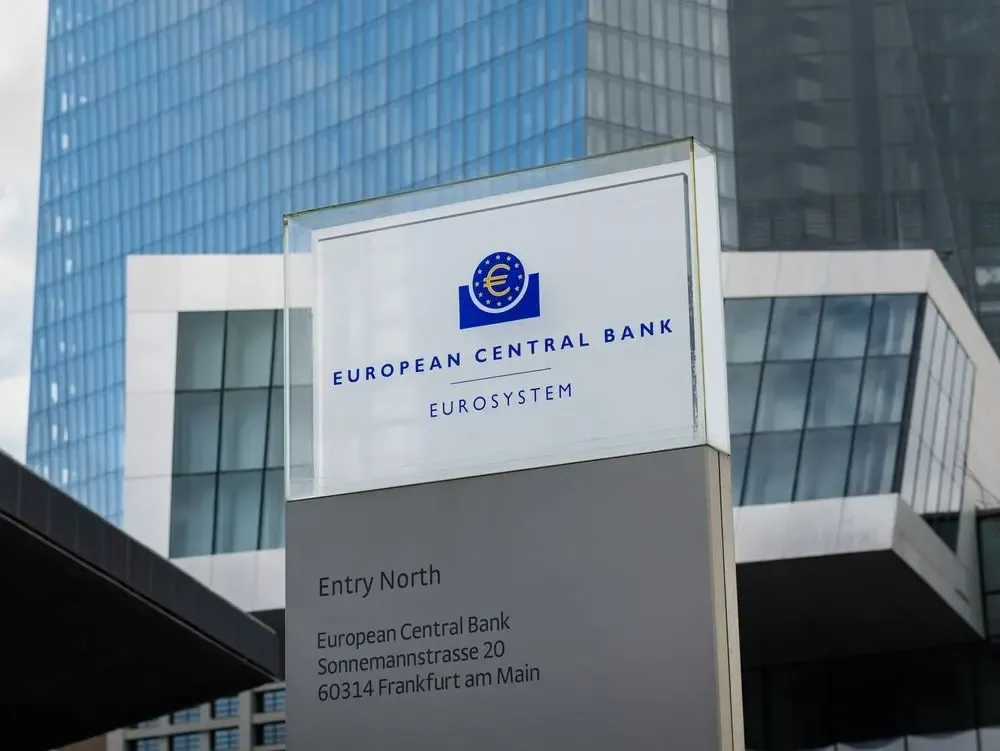

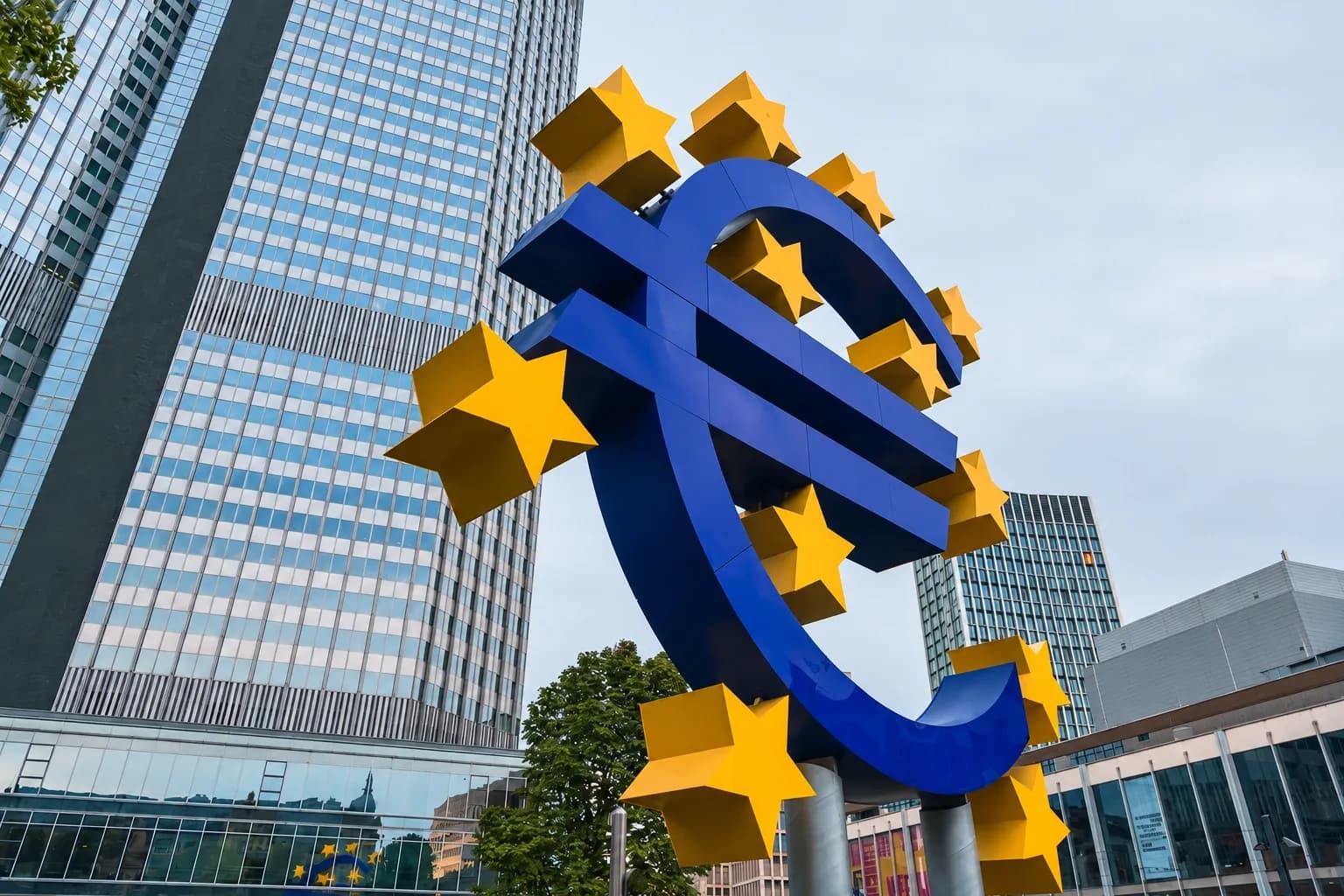
EU 2Europe is stepping up its oversight of digital currencies, with new regulatory responsibilities set to take effect as authorities tighten financial safeguards for major stablecoins. (Shutterstock)

USDC's regulatory position involves more than one jurisdiction. According to the EBA, the stablecoin is issued in the EU by Circle Internet Financial Europe SAS and in the United States by Circle Internet Financial, LLC.

That structure creates a supervisory challenge for authorities responsible for overseeing activities that may extend across national boundaries. Regulatory information, financial safeguards, and potential risks may need to be assessed through cooperation between agencies operating under different legal frameworks.

The EBA has already established a formal channel for such cooperation. In June 2026, it announced a memorandum of understanding with the New York State Department of Financial Services.

The agreement provides a framework for exchanging information and coordinating supervisory activities involving stablecoins issued in both jurisdictions. It also covers cooperation during emergencies and other situations requiring a coordinated regulatory response.

The USDC classification gives that arrangement additional practical relevance, as European authorities prepare to assume direct responsibility for specified aspects of the token's supervision. The agreement does not, however, replace the respective legal responsibilities of European and U.S. regulators.

Circle's European operations will face a supervisory structure in which financial resilience requirements are monitored directly by the EBA, alongside continuing national oversight of governance and related matters.

The change is relevant to financial institutions and businesses considering stablecoins for payments, transfers, and other digital financial services. Understanding which regulator oversees an issuer, and which financial safeguards apply, is an important part of evaluating the legal and operational risks associated with using such assets.

Significant classification does not mean that USDC has received a new authorization to operate throughout the EU. Nor does it establish that the token is free from liquidity, operational, or other risks. The decision concerns its classification and the resulting supervisory responsibilities under MiCA.

Other e-money token issuers may also become subject to significant classification if they meet the applicable criteria. The EBA is responsible for conducting ongoing assessments of whether tokens meet, or continue to meet, those requirements.

The immediate milestone is November 12, when the revised supervisory responsibilities for USDC are scheduled to take effect.

The transition will require coordination between the EBA and ACPR, particularly where financial resilience, governance, and operational oversight intersect. Both regulators will remain involved, although their responsibilities will differ.

Beyond the transition, the EBA's role includes assessing whether tokens continue to satisfy MiCA's significance criteria. Classification is not necessarily permanent, and the regulatory framework provides mechanisms for reassessing a token's status.

USDC's designation is the first application of the significant e-money token classification among the 45 tokens notified under MiCA.