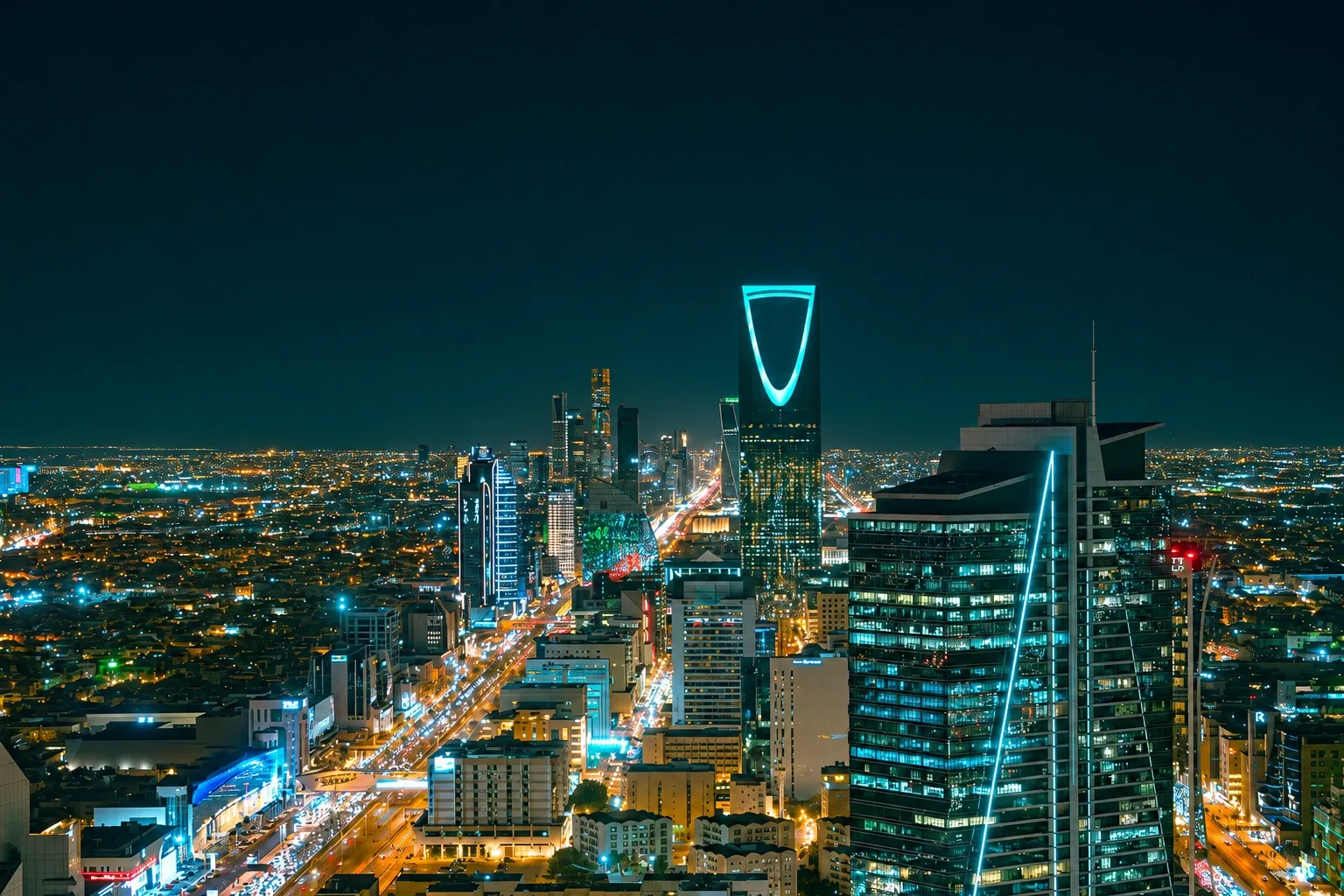
Much of the period's expansion came in Saudi Arabia. On September 20, Air Arabia started flying from its newest hub, King Fahd International Airport in Dammam, with domestic services to Jeddah, Madinah and Riyadh. Those flights are run by a new national budget carrier set up by a consortium that Air Arabia leads with Nesma Group and KUN Investment.
Saudi Arabia's General Authority of Civil Aviation (GACA) granted the carrier its Air Operator Certificate (AOC) on September 14, after it met the regulatory and operational requirements of the kingdom's Civil Aviation Law. According to GACA, the airline's plan covers 57 international and 24 domestic destinations, with traffic expected to reach approximately 10 million passengers a year by 2030 and more than 2,400 direct jobs created. The consortium had won GACA's competition to set up the low-cost airline in July 2025.
The Dammam operation opened with an inaugural flight to Riyadh and now runs two daily flights each to Riyadh and Jeddah plus one a day to Madinah, using Airbus A320 jets with 174 seats in a single-class cabin. Its first international link follows on November 19, when the airline starts flying to Amman, Jordan, with five non-stop services a week from Dammam to Queen Alia International Airport.
Adel Al Ali, Group Chief Executive Officer of Air Arabia, said: “Launching our first international service marks an important step in the growth of our Dammam operations. The new route provides customers a convenient option to travel between Saudi Arabia’s Eastern Province and Jordan, whether for business or leisure. We look forward to expanding our domestic network and adding more international destinations as demand grows.”
The group as a whole opened 14 routes in the first nine months, from bases in Saudi Arabia, the UAE, Egypt, Morocco and Pakistan, bringing the total to 224 routes. Five of those launches came in the first half, which means nine were added between July and September, including the three Saudi domestic routes from Dammam.
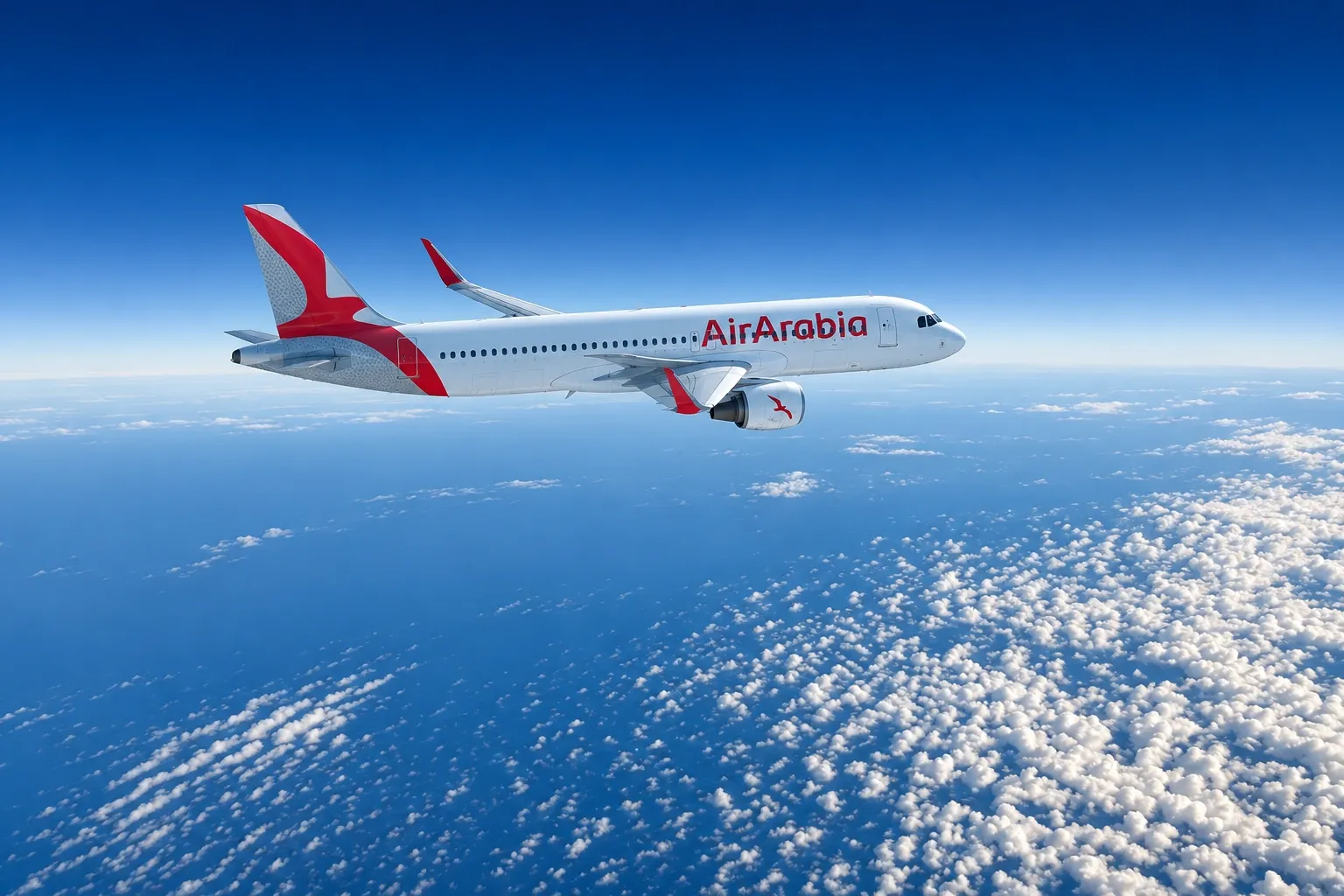
Fleet growth has kept pace. Air Arabia added 10 aircraft during the nine months and now operates 100 owned and leased Airbus A320 and A321 aircraft, up from 90 in the first quarter and 96 at the end of June. With a new Saudi hub and the Amman route still to start, the extra capacity could give the group more room to add flights where bookings are strongest.
Al Thani said: “For the remainder of 2026, we remain confident in the fundamentals of our business and in the flexibility our multi-hub model gives us to respond as market conditions evolve. We will continue to invest in our fleet and expand our network where we see sustained demand, while maintaining the financial discipline that allows us to offer reliable, affordable travel and create long-term value for our stakeholders.”
Recognition for the airline's sustainability work arrived in June, when World Finance Magazine named Air Arabia “Most Sustainable Low-Cost Airline in the MENA Region 2026” in its annual Sustainability Awards Program. Earlier in the year, the carrier obtained a Limited Assurance Statement on its 2025 environmental, social and governance (ESG) report under the International Standard on Assurance Engagements (ISAE) 3000.
Charity Cloud, the airline's community program funded by donations from passengers on board, has run since 2007. It has invested in 168 projects in 27 countries, reaching more than 450,000 people through healthcare, education and other humanitarian work.
The carrier has also widened how customers pay for tickets: in May 2025 it began accepting AE Coin, a stablecoin backed by the UAE dirham, for flight bookings through a partnership with Al Maryah Community Bank (Mbank). Four more aircraft are scheduled to join Air Arabia's fleet before the end of 2026.