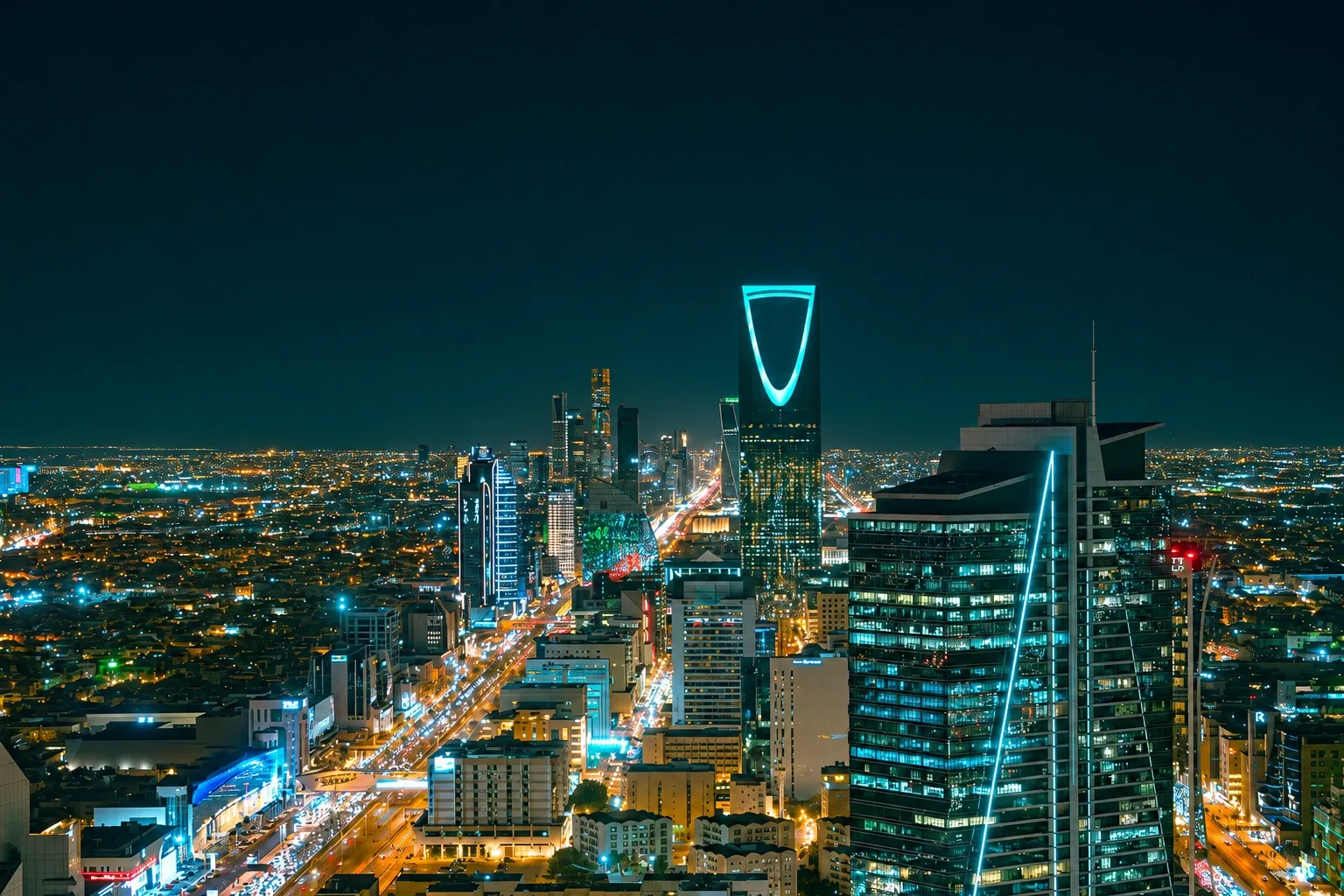
Saudi Arabia's fund management sector, the biggest in the GCC, should hold more than $400 billion in client assets in 2027 after riding out this year's market swings, credit rating agency Fitch Ratings said.
Managers in the kingdom oversaw about $370 billion at the end of the first half of 2026, a 20% rise from a year earlier, according to Fitch. That total is equal to roughly 27% of Saudi gross domestic product, up from 23% at the same point in 2025.
Fitch published the commentary as part of its Islamic finance research, alongside a related report, Saudi Asset Management Monitor: 1H26. The agency noted that almost every mutual fund on the Saudi Exchange is sharia-compliant.
Bashar Al Natoor, Global Head of Islamic Finance at Fitch Ratings, said: “Growth is likely to continue, supported by stronger investor demand, regulatory progress and rising foreign participation”.
He added: “There are still risks from geopolitics, oil prices and rates, but the sector has shown resilience and benefits from a strong domestic investor base.”
Private funds make up the largest part of the market. They held 55% of industry assets at mid-year after expanding 31%, with real estate and equities doing most of the lifting, and family offices rank among their key investors, Fitch said.
Discretionary portfolio management, where a manager makes investment decisions on a client's behalf, made up 27% of assets and grew 3%, mostly through holdings of local equities. Public funds rose 19% to account for 18% of the total, with money spread across money market funds, equities, real estate investment trusts (REITs) and debt.
Foreign players are winning a larger slice of the business. International and regional capital market institutions earned 18.5% of industry revenue in the second quarter of 2026, compared with 12.5% in the second quarter of 2024. Most revenue, though, still goes to managers affiliated with local banks.
On the Saudi Exchange's main market, foreign investors owned 12% of the free float at the end of October, against 12.4% at the end of 2025, a share Fitch said held steady despite the volatility. Their appetite for the government's local debt has grown faster: foreign holders accounted for 14.7% of those issuances at the end of the first half of 2026, up from 4.5% at the end of 2024.
Regulation is also keeping more money at home. The Capital Market Authority (CMA) has capped what public money market funds can invest overseas at 5% of their net asset value, and Fitch expects the limit to steer more liquidity into funds focused on the domestic market.
The cap and the rising foreign stake in local debt could keep more of the industry's growth tied to Saudi assets, while international managers may continue to chip away at the share held by bank-affiliated firms.
Elsewhere in the Gulf, Abu Dhabi's sovereign investor Mubadala reported that its assets under management rose 17% to $385 billion in 2025, close to the size of the entire Saudi industry at mid-2026. In May, eight global financial institutions managing a combined $4.4 trillion announced plans to set up operations in Abu Dhabi, including Capital Group, Barings and Rokos Capital Management.
Fitch rates 24 entities listed on the Saudi Exchange, which together represented 84% of market capitalization in August 2026. About 96% of those entities are investment grade and 96% carry Stable Outlooks, and the agency said almost all Saudi sukuk are rated investment grade.