Dubai, United Arab Emirates — Islamic finance startup Wafr has launched WafrChain, a private blockchain for issuing, distributing and settling Shariah-compliant sukuk, alongside a pre-seed round that drew Tyme Group co-founder Coen Jonker and former DBS Bank innovation chief Neal Cross as individual backers.
The company said sukuk tokenization is already live on the platform, its first product and what it calls the opening step toward a global Islamic financial platform.
Both investors put in money personally. Jonker is a former Commonwealth Bank of Australia group executive, while Cross is a co-founder of PictureWealth and previously served as chief innovation officer of DBS Bank.
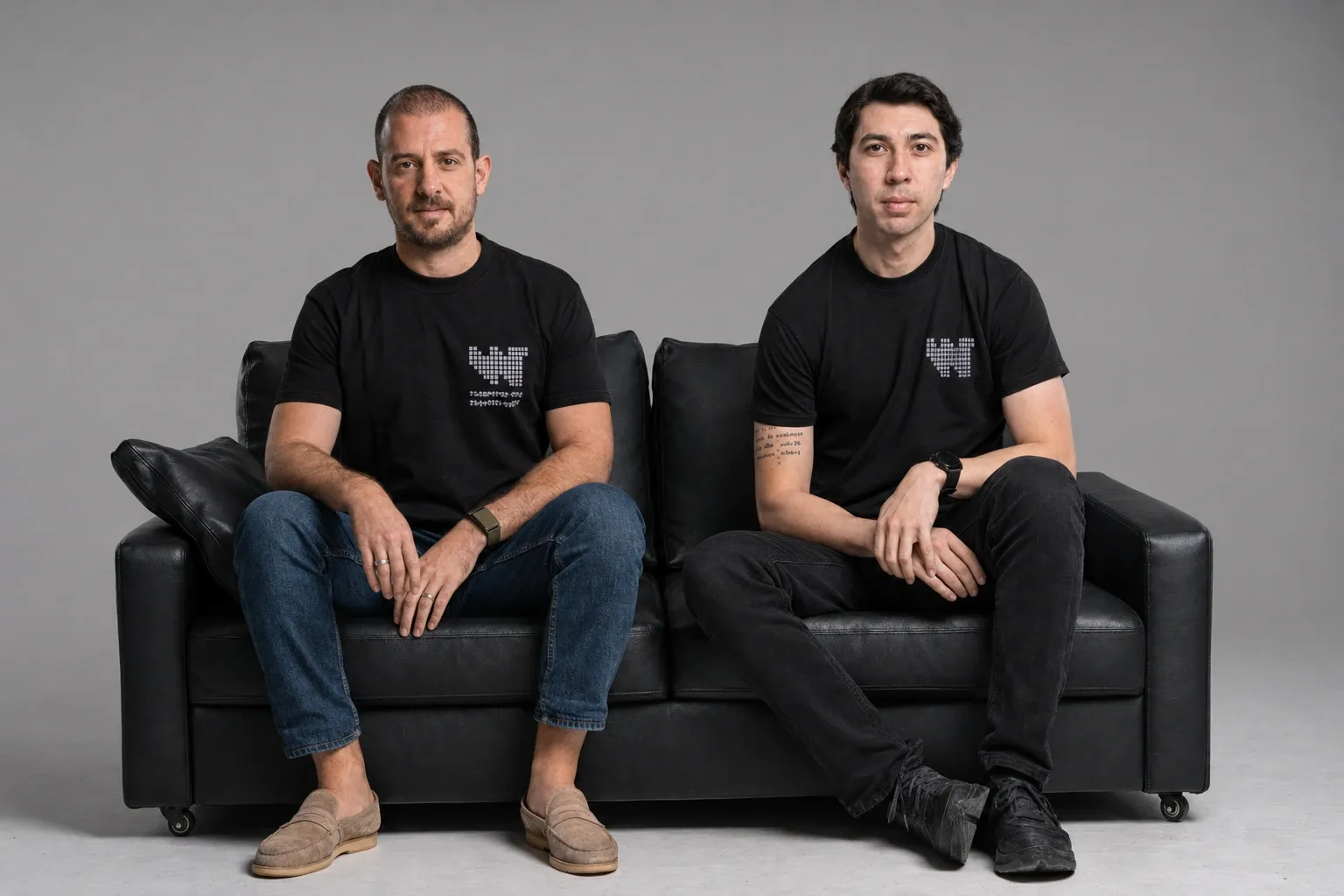
Chief executive Mahmoud Bouchelif, one of Wafr's co-founders, worked as an Islamic banker before setting up LeanTech SG. Wafr said he took that firm to profitability and 7-figure revenue without raising outside money, and has spent approximately a decade counseling GCC bank leaders on digital change. Fellow co-founder Anthony Murphy, the chief product officer, previously launched digital banking products at AMP, Commonwealth Bank of Australia and Macquarie Bank.
Abundance for everyone is how Wafr sums up its purpose, which it frames as getting fairer, more transparent and ethical money services to customers wherever they live. Its planned platform follows Shariah principles yet is pitched at customers of any religion, tying back-office infrastructure for institutions to products for consumers and companies.
The startup chose sukuk as its starting point because, in its view, few Islamic finance instruments are harder to bring to market. By Wafr's count, eight different parties usually sit around one deal: issuer and trustee, arrangers, custodians and a paying agent, the Shariah board, and the distributors and investors at the end of the chain. All of them hold a separate copy of the same instrument's records.
Any change, whether a transfer, a profit distribution or a corporate action, then has to be typed in again and matched up between them, which the company said makes every deal costlier, slower and more prone to mistakes. Getting a sukuk to investors can take many months, and in some cases more than a year, according to Wafr.
WafrChain is a private, permissioned blockchain that replaces those separate books with one shared record. Before any units are sold, the instrument's maturity, profit schedule, unit price and other terms sit on the ledger next to the sign-off from the issuer's own Shariah board. Wafr's in-house Shariah board also reviews each structure with the issuer to confirm it complies.
Issuers meet distributors and institutional buyers on the network, and smart contracts send profit payouts to holders. Settlement can run in fiat currency through local real-time gross settlement (RTGS) systems and SWIFT, or in stablecoins, with the WafrChain website naming USDC and USDT. Institutions plug their existing systems in through a single application programming interface.
Wafr said a transaction is final within 300 milliseconds. No participant can see another's activity, so an issuer cannot view a distributor's or an investor's holdings, and the network has been built to stay up even when just one in three of its nodes is running.
Mahmoud Bouchelif, Wafr's co-founder and chief executive, said: “Islamic finance can bring abundance to people, businesses and economies, yet access to services that reflect its principles remains uneven. We are building Wafr for everyone who believes finance should be fair, transparent and ethical, whatever their faith. WafrChain is our starting point, giving institutions a foundation for bringing Shariah-compliant assets on-chain while we develop the services people need to manage their financial lives across borders.”
Anthony Murphy, Wafr's co-founder and chief product officer, added: “At Wafr, we start with the problems people and businesses are actually facing and focus on how we can solve them in a practical way. We believe technology is critical if we are going to make Shariah-compliant and ethical financial services simpler, more accessible and more relevant to how people manage their money today, while bringing the principles behind Islamic finance to more people around the world. WafrChain is the first product built with that thinking, and it sets the direction for how we want to build at Wafr.”
Coen Jonker, Tyme Group co-founder and an angel investor in Wafr, commented: “I have long believed that someone will build a truly global digital finance business for the Muslim world. The need is clear, the opportunity is enormous, and the technology now makes it possible to think beyond traditional banking models. Wafr is pursuing that ambition with a clear sense of purpose, and I’m excited by Mahmoud’s determination and his co-founders to make it happen.”
Neal Cross, co-founder of PictureWealth and ex-DBS chief innovation officer, said: “Everyone talks about what blockchain could do for finance. Wafr is one of the few teams starting with the customers who need it most. Islamic finance was built on trust, transparency and shared risk, which is exactly what blockchain does best. Add founders like Mahmoud and Anthony, who don’t build things for show, and backing them was an easy decision.”
Wafr cited the ICD–LSEG Islamic Finance Development Report 2026 for annual sukuk issuance, which it said rose 14.5% to $291.4 billion. LSEG's own summary of the report calls 2025 sukuk issuance a record and puts total Islamic finance assets at $6.5 trillion, up 9% year on year, with assets projected to exceed $10.5 trillion by 2030. Wafr's release gives two other asset totals, $1.14 trillion attributed to the report and $5 trillion in its company profile, and neither matches LSEG's published figure.
The same LSEG analysis lists tokenized sukuk among the digital trends shaping how Islamic finance is raised, issued and settled, and Wafr enters a field that is already drawing UAE players. In October, ADI Foundation and Tokinvest signed an MoU aimed at a $100 million tokenized sukuk built from existing instruments of UAE issuers, while on the retail side MAL has secured in-principle approval from the Central Bank of the UAE for what it describes as an AI-native Islamic digital bank.
WafrChain's appeal to issuers may depend on whether trustees, custodians and Shariah boards are willing to move records they now keep separately onto a shared ledger.
Sukuk are only the first asset class. Wafr's plans for institutions add tokenized funds and deposits, trade finance and settlement between businesses, and for retail users it is working toward global accounts, remittances across borders and cards. Agentic artificial intelligence and settlement in stablecoins are part of that longer-term strategy, which the company links to reaching unbanked and underserved people.