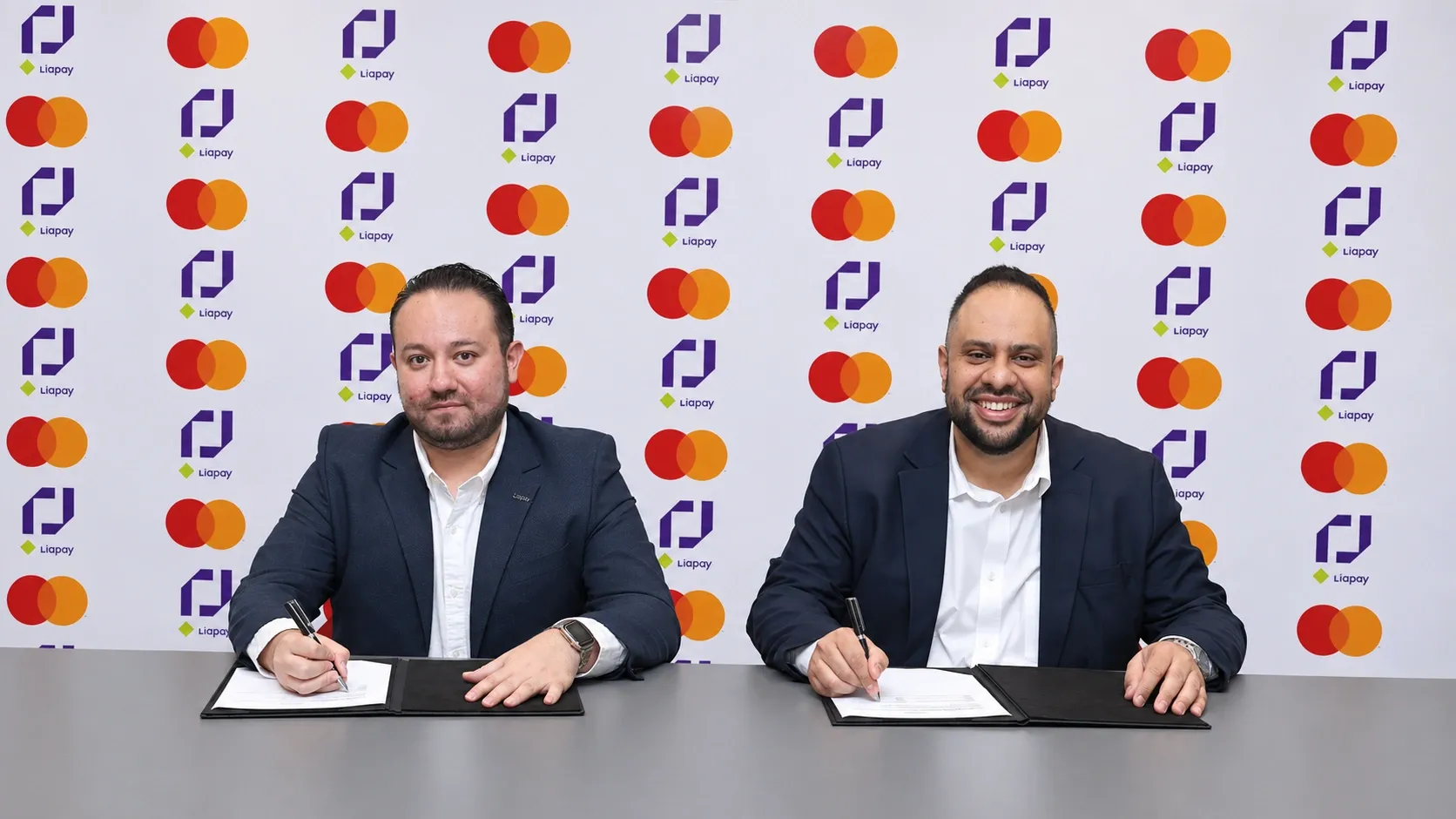
Dubai, United Arab Emirates — Payments network Mastercard has partnered with LiaPay, a Gulf payroll app run by Liabify, so that employers' staff in four markets can carry Mastercard prepaid cards and draw on wages they have already earned before payday.
Each worker on the program receives a Mastercard Platinum prepaid card linked to the LiaPay app. The companies said it can be used wherever Mastercard is accepted, whether in shops, online or for cross-border remittances, and that authentication and fraud protection are built into the card.
The first launches are planned for the UAE and Qatar, followed later by Saudi Arabia and Oman. According to the two companies, the model has been designed to scale across the GCC and into wider emerging markets, and they described the cards as giving workers instant, secure access to pay and an entry point to everyday digital payments.
LiaPay's earned wage access (EWA) and employee wallet services are embedded in payroll, letting staff spend part of the salary they have accrued ahead of payday without taking on traditional credit. The service is built to comply with local Wage Protection Systems (WPS) and is supported by regulated financial institutions, the release said, adding that it should raise everyday spending power for workers in the region, many of them middle-income employees.
Muhammad Nana, Senior Vice President, Digital Partnerships, EEMEA, Mastercard, said: “At Mastercard, we are committed to connecting people to the digital economy to unlock growth. LiaPay is a remarkable home-grown Gulf success story solving a real need for the region’s workforce. We are delighted to bring our global network, technology and expertise behind the fintech innovator’s vision, strengthening financial security and advancing financial inclusion across the GCC. The collaboration marks our entry into the payroll/EWA segment as the card partner of choice”.
The agreement adds a card network partner to a product that is already live. Mawarid Finance serves as LiaPay's BIN sponsor, the institution whose bank identification number the cards carry, while Paymentology handles processing. LiaPay has also signed an agreement with DEEL and Anvin ERP that the companies said will benefit more than 200,000 employees in its network.
Dr. Allan Villegas, co-founder & CEO, Liabify, added: “When we built LiaPay, our mission was simple: every worker in the Gulf deserves dignified, instant access to the money they have already earned. Joining forces with Mastercard – one of the most trusted names in the world – is a proud milestone for our team and a powerful signal for the region’s fintech landscape. Together, we are turning payday into everyday financial freedom for millions of employees across the region”.
Cards are only the first step. The partners plan to add a loyalty and rewards platform to keep users engaged, as well as Mastercard Move, the card network's suite of tools for sending and receiving money.
According to the release, millions of GCC workers receive their salaries through WPS but remain underbanked, with few everyday payment tools. LiaPay treats payroll as a distribution channel for a wider set of employee financial services covering payments, lending and, in time, remittances. The release said placing a Mastercard credential at the moment workers access their income will generate frequent, low-risk use from day one and help LiaPay speed up its expansion across the region.
Reaching workers at the point their salary is paid could give card issuers a steady base of transactions from people who have used few banking services, although the pace may depend on how many employers sign up to offer the service.
Mastercard has backed earned wage access cards in the Emirates before. In May 2024 it teamed up with ABHI, a Hub71-backed embedded finance platform, to give ABHI's EWA users in the UAE Mastercard-powered Salary Advance Cards. ABHI has since brought earned wage access to Squadio employees in Saudi Arabia.
Over the past decade, Mastercard said, it has brought 1 billion people worldwide into the digital economy. It has also set itself a 2030 deadline to connect and protect another 500 million people and small businesses as they work toward financial health, a pledge made earlier this year.