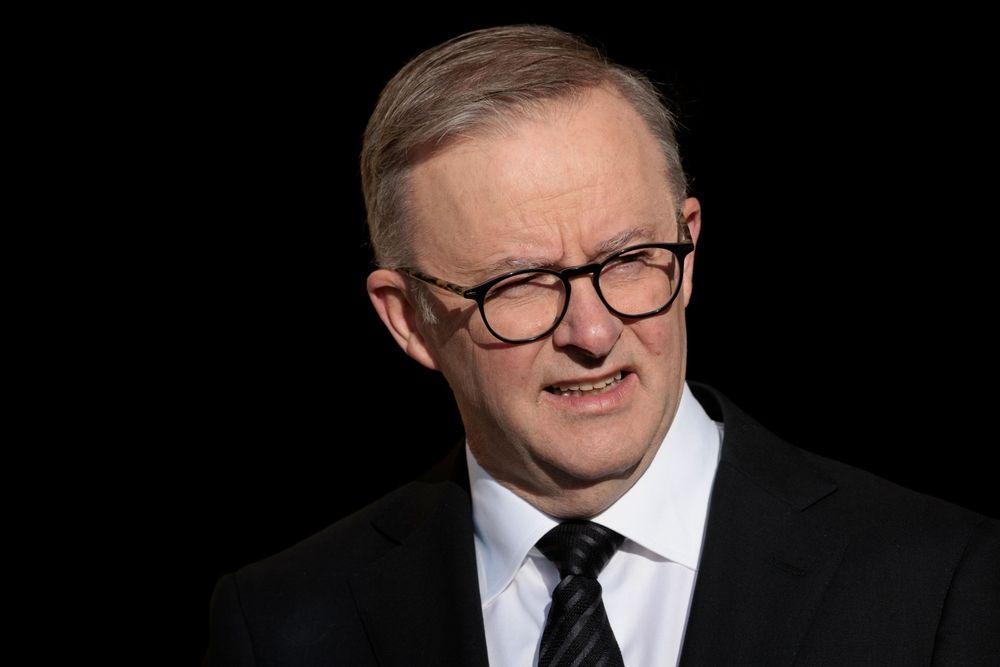
Canberra, Australia — Australia plans to write binding safety and security duties for frontier artificial intelligence developers into its upcoming AI Standards legislation, with a new AI safety regulator empowered to levy significant penalties on companies that fail to comply, Prime Minister Anthony Albanese announced on Tuesday.
The duties would cover every frontier AI company that wants to operate in Australia, according to a joint media release issued by Albanese, Deputy Prime Minister and Minister for Defence Richard Marles, Minister for Home Affairs and Cyber Security Tony Burke and Minister for Industry and Innovation Tim Ayres. The government called the protections world leading and placed them within its AI in Australia's Interests agenda.
The release defines frontier AI as the most sophisticated models, those working at the outer edge of what today's technology can do. Such systems bring large opportunities, the government said, but also the greatest risks to the community when they are used unsafely, which is why it described safety and security as the base on which trust in them must be built.
Six requirements would be imposed on companies by the regulator. They would have to keep security controls in place at every point from building a model to deploying it, find and manage the serious risks their models carry, and open those models to independent evaluation. They would also need to report incidents to the Australian Government rapidly on a mandatory basis, keep a published safety and security framework to support good governance, risk management and transparency, and adjust to revised standards and rules as the technology moves on.
Enforcement would sit with a new, targeted AI safety regulator that the government will propose. That body would work with the existing Australian AI Safety Institute, which would lend technical expertise and oversight while international standards continue to develop. According to the release, the regulator would have the power to impose significant penalties on AI companies that breach the mandatory obligations.
The government said the package is consistent with recommendations made in the interim report of the Joint Select Committee on Artificial Intelligence. It expects the rules to flag risks from rogue AI agents sooner as they emerge, and to let authorities respond faster and in a coordinated way when a serious AI incident takes place.
Timing was deliberate, the release said. The government wants AI investors to come to Australia, but said protecting Australians comes first, so it chose to set out its safety approach before a series of major international talks on AI development and investment.
The ministers also framed AI as a source of large gains for the country, from lifting productivity and strengthening economic resilience to revolutionizing healthcare. Capturing those gains, they said, requires a social license for AI, keeping Australians safe and protecting the national interest. The release pointed to Australia's reputation as a world leader in digital safety standards and said its AI approach keeps Australian values at the forefront.
The obligations are not yet law. The government said the AI Standards legislation also deals with several other policy areas it has already outlined, and that fuller details of the bill will be released in due course, after it finishes its detailed work and consultation.
Anthony Albanese, Prime Minister of Australia, said: “Artificial intelligence presents enormous opportunities for Australia, but we must also be prepared for the new risks that come with rapidly advancing technology. These protections will ensure we keep Australians safe and secure our national interests, while seizing the generational opportunities that AI offers. Our world-leading AI in Australia’s Interests agenda aims to provide Australians confidence that frontier AI companies are taking steps to improve safety and security, and provide certainty for investors – boosting productivity, building economic resilience, while bolstering sovereignty.”
Richard Marles, Deputy Prime Minister and Minister for Defence, added: “Getting these settings right will help ensure Australia can harness the opportunities artificial intelligence presents for our economy, our national security and our sovereignty. The Albanese Government is committed to putting in place the protections that will allow Australia to be at the forefront of this technology to keep Australians safe.”