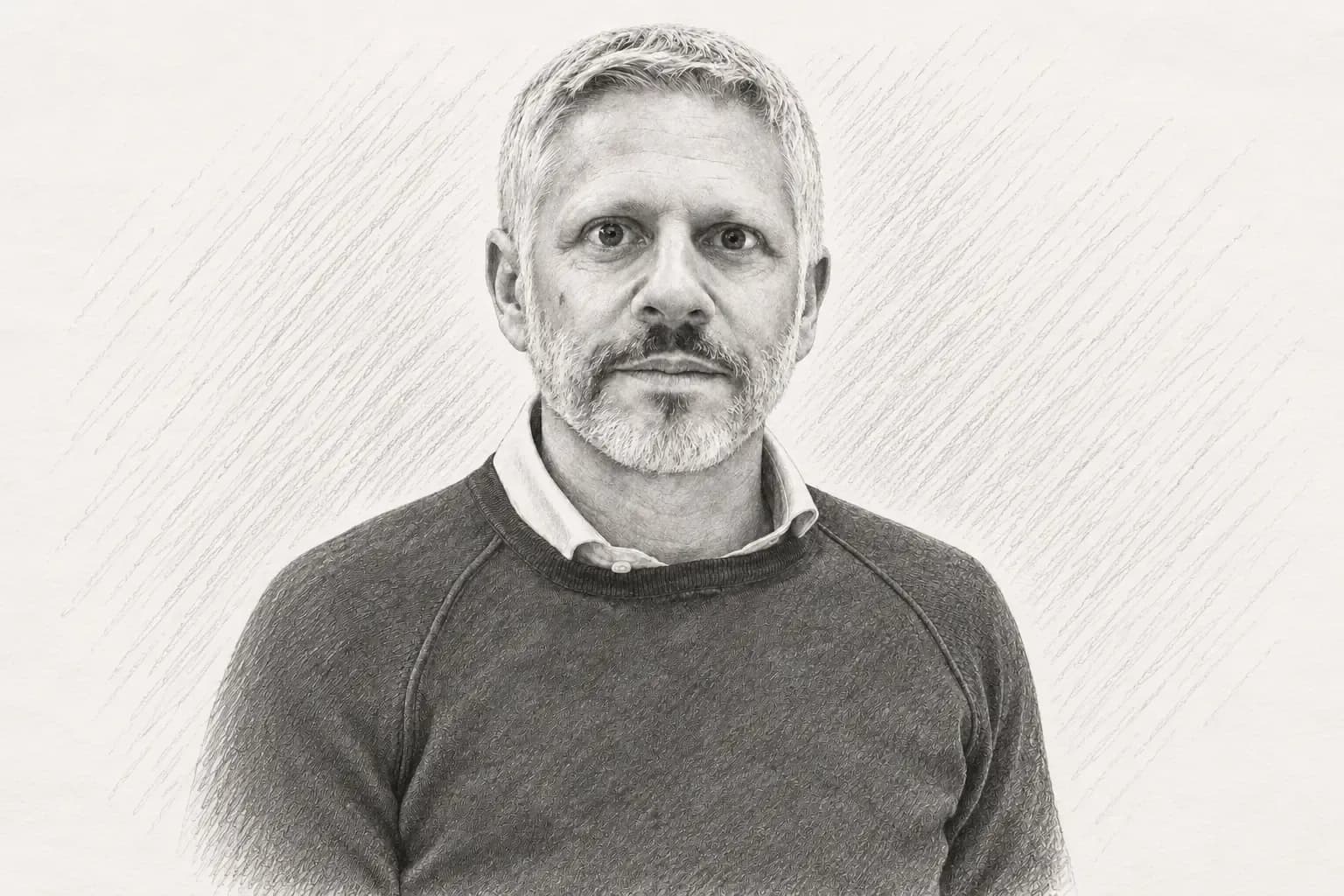
Most shoppers never learn the name of the company that handles their online payment. They notice when the transaction fails. Guillaume Pousaz has built Checkout.com around that moment, arguing that a small improvement in the number of payments completed can make a substantial difference to a large merchant.
The approach has taken the company from a closely held payments startup to a processor handling hundreds of billions of dollars a year. Its growth has also forced Pousaz to reconsider how quickly it should expand. After a period marked by rapid hiring and a soaring valuation, Checkout.com reported a return to full-year profitability in 2025. The more revealing leadership story lies in what he chose to build, where the company moved too quickly and how he has responded.
An Interest in How Things Work
Pousaz began coding at eight, according to his company biography. That early interest in solving technical problems eventually took him into payments, where an apparently simple purchase depends on a chain of checks and connections among merchants, payment networks, financial institutions and regulators. A transaction may fail even when a customer has the money and intends to buy.
Checkout.com launched in 2012 with a plan to build much of that underlying technology itself. The company sought direct relationships with Visa and Mastercard early on, obtaining its first licenses in 2013. By 2015, it was a fully certified payment processor. Pousaz has described this as a deliberate investment in a single platform rather than a collection of systems assembled later.
That decision involved years of work before Checkout.com became widely known. In a 2019 account of the company’s beginnings, Pousaz said the team reinvested its earnings into the product. He also recalled keeping travel costs down by staying on friends’ couches and in short-term rentals. The detail sits some distance from the image of a global fintech CEO, but it helps explain the early priority: securing the technical and regulatory foundations before spending heavily on expansion.
The company raised $230 million in its Series A round in 2019. By then, it had spent years developing a service for businesses selling across borders. A merchant entering a new market needs more than a way to accept card payments. It must account for local payment preferences, approval rates and how funds move between markets. Checkout.com’s proposition was to bring more of that work together through one provider.
The Value of a Completed Payment
Pousaz often discusses payments in small increments. An acceptance rate measures the share of attempted payments that are successfully completed. If a large merchant improves that rate by even a fraction of a percentage point, the change can affect a meaningful number of sales. The challenge is to improve it without weakening fraud protection or making checkout harder for customers.
He has compared that attention to detail with endurance sport, another of his interests. The comparison has a practical basis: checkout performance depends on repeated testing of routing, authentication and other steps that shoppers rarely see. It also helps explain why Pousaz has favored building payment infrastructure directly. Greater control over the system gives Checkout.com more opportunities to change how a transaction is handled, although the value of those changes ultimately has to be demonstrated to merchants.
The strategy gained traction with international businesses. Checkout.com expanded its customer base and geographic reach, while adding services beyond its original payment processing work. Growth was particularly fast during the surge in digital commerce around the pandemic. In January 2022, the company raised $1 billion at a valuation of $40 billion.