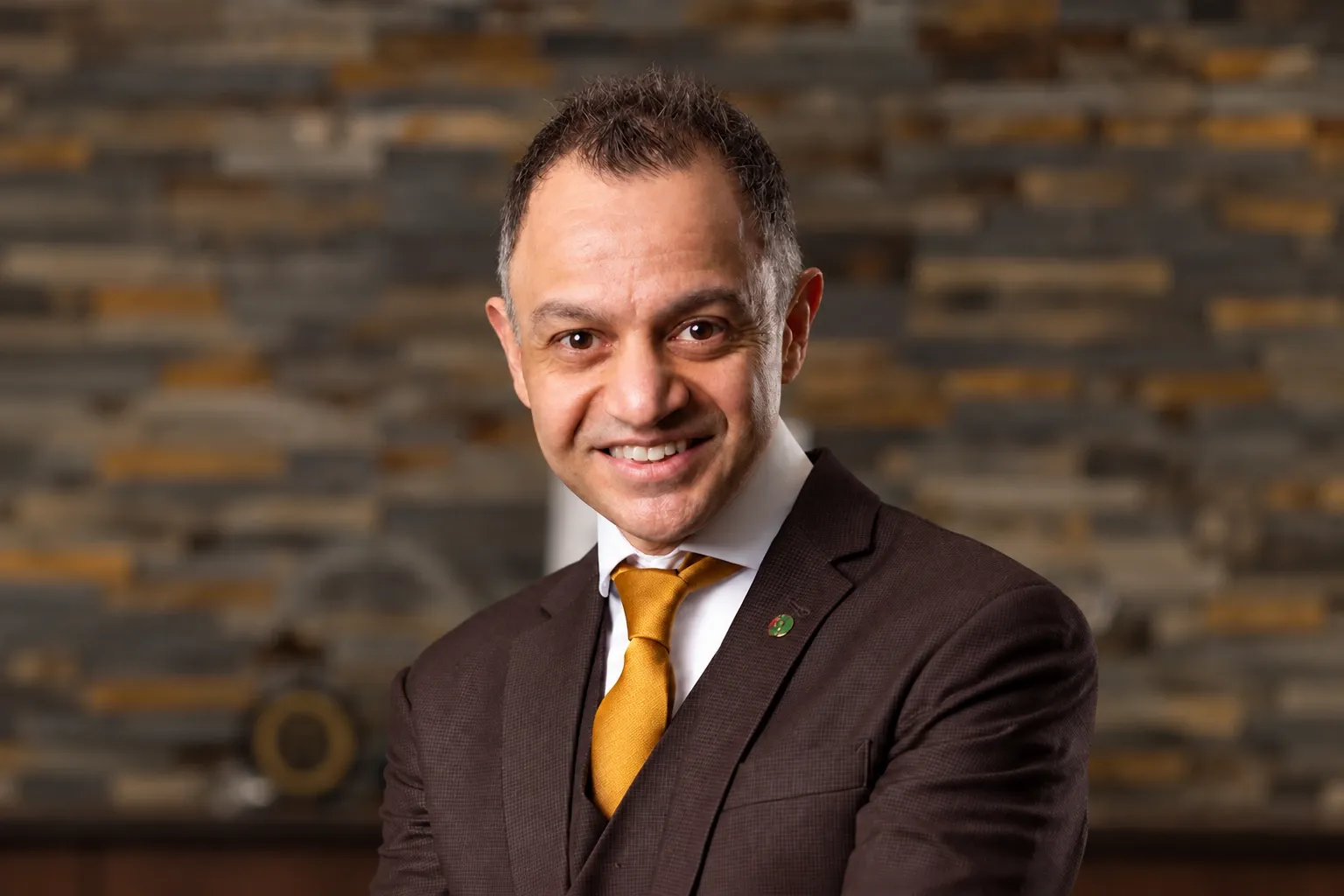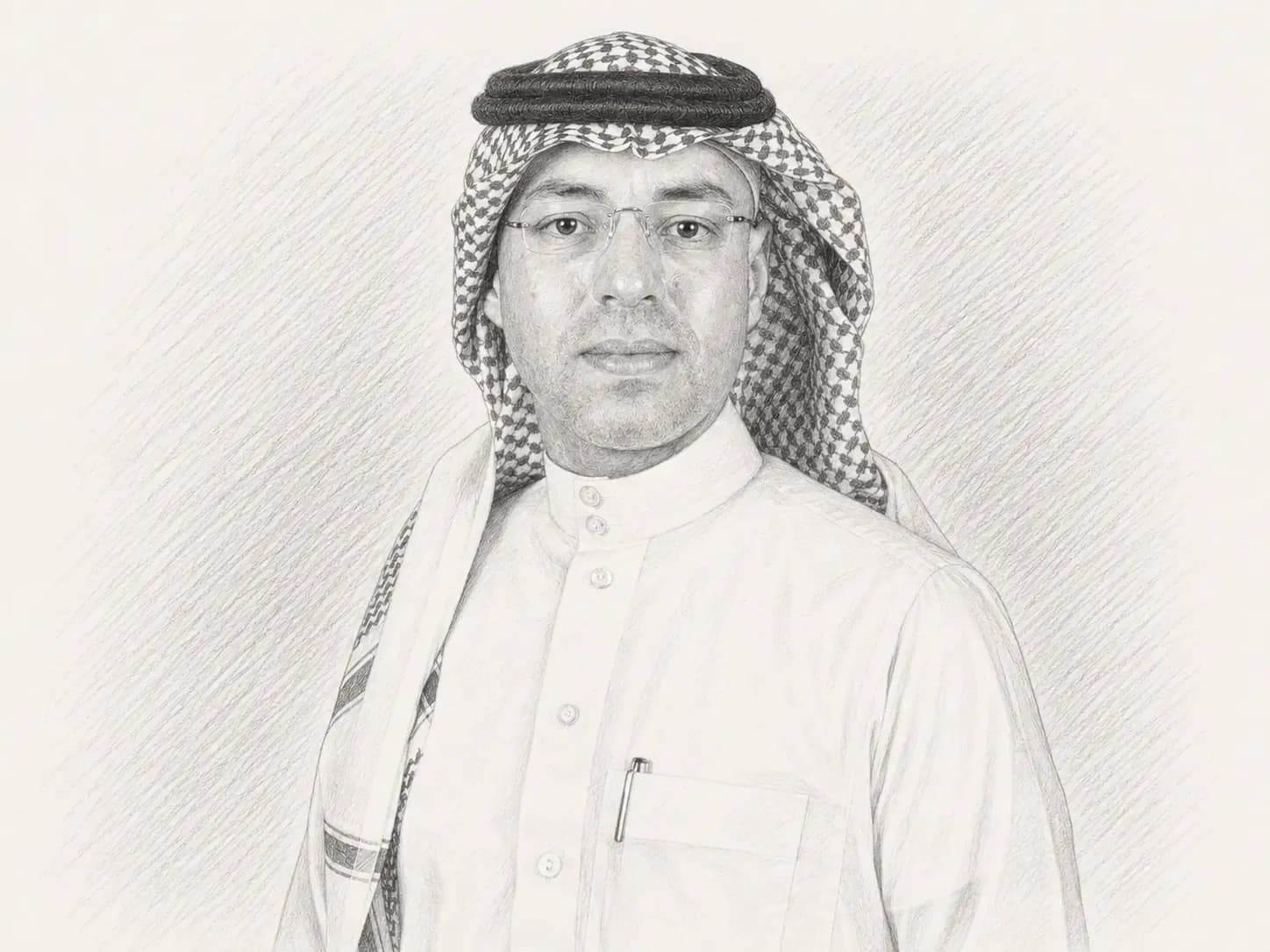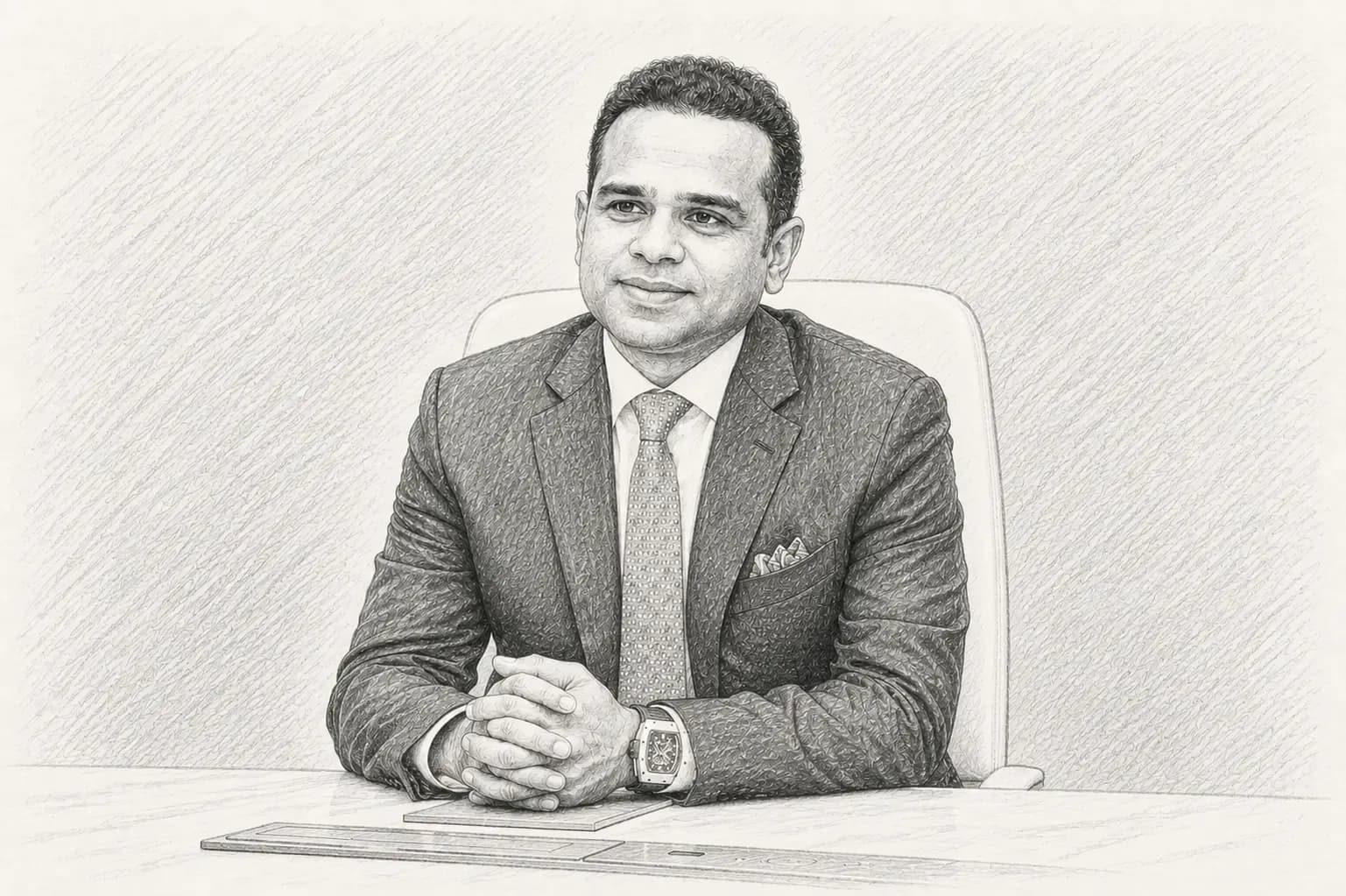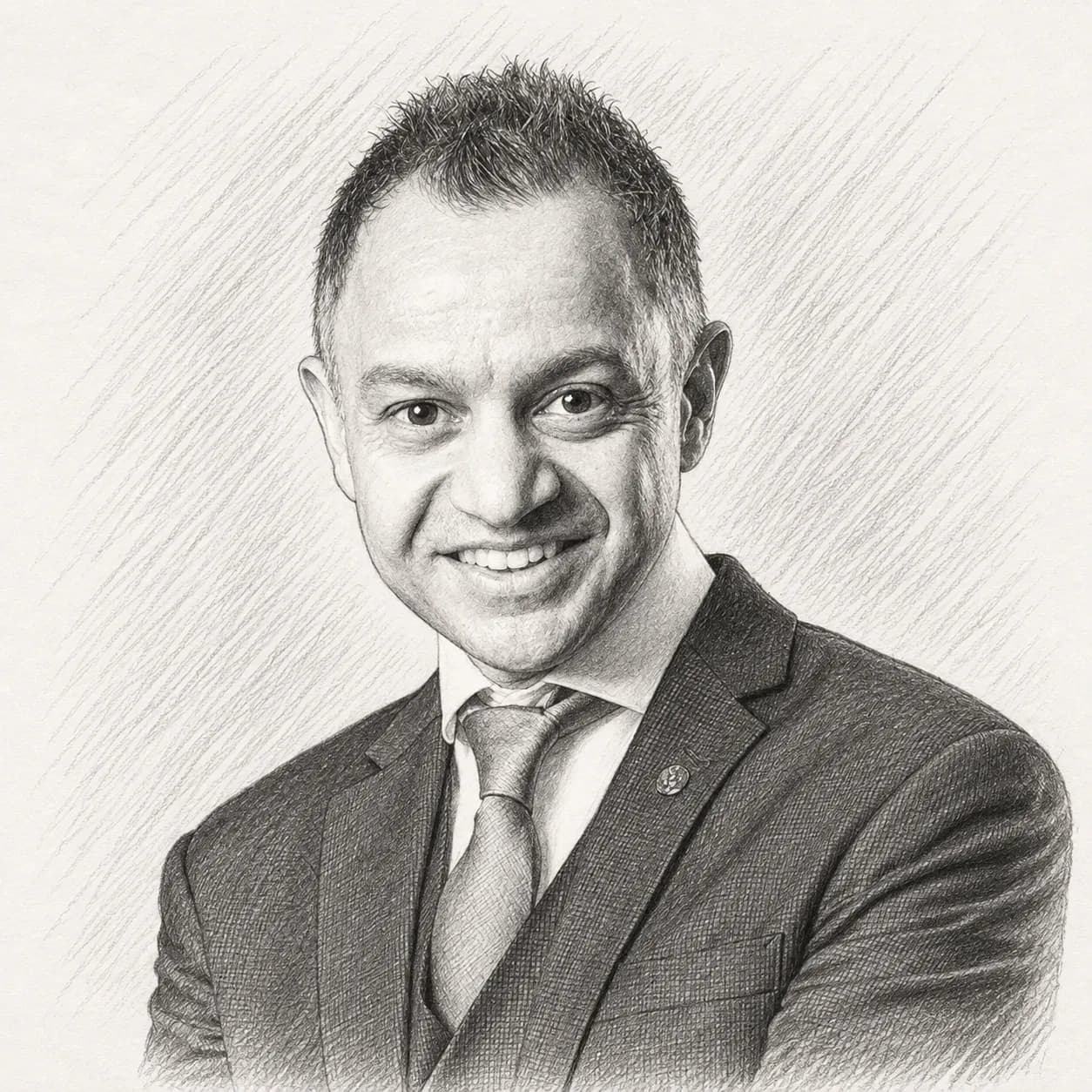
More than a decade after becoming chief executive of Dubai Islamic Bank, Dr. Adnan Chilwan is overseeing an institution substantially larger and more complex than the one he inherited. His tenure has included a major acquisition, international expansion and the continuing effort to make Islamic banking competitive with conventional finance on scale, technology and customer experience.
That record places Chilwan among the longest-serving leaders of a major bank in the United Arab Emirates. It also makes his career a useful study in how an established Islamic institution can grow without treating its Sharia-compliant identity as a barrier to commercial development.
A Career Across Two Banking Systems
Chilwan’s experience spans nearly three decades in conventional and Islamic banking. Before joining Dubai Islamic Bank, he held positions at several financial institutions in the Gulf, building experience across retail banking and other areas of the industry.
He arrived at DIB in 2008 and subsequently served as chief of retail banking and deputy chief executive. In July 2013, the bank appointed him CEO, replacing Abdulla Al Hamli, who moved into the role of managing director. Chilwan later became group CEO as DIB’s activities extended across a wider collection of markets and subsidiaries.
The progression gave him an operating perspective before he assumed the top job. Rather than arriving as an outside appointee with an immediate restructuring mandate, he had already worked inside the bank and participated in its response to the difficult years that followed the global financial crisis.
His background in both conventional and Islamic finance also shaped the central argument associated with his leadership: Islamic banks should not be treated as institutions serving only a specialized religious market. They must compete with conventional lenders on accessibility, service, efficiency and financial strength while observing a different set of contractual and ethical requirements.
Moving From Recovery to Expansion
DIB was founded in 1975 and is widely recognized as the world’s first full-service Islamic bank. Its historical significance provided a strong identity, but history alone could not guarantee its position in an increasingly competitive UAE banking sector.
Chilwan took charge after the bank had spent several years strengthening its balance sheet and managing the effects of the earlier financial downturn. The strategic emphasis then shifted toward growth. Retail and wholesale banking were expanded, digital services received greater attention, and the group pursued opportunities outside its home market.
International expansion gave DIB exposure to countries including Pakistan, Kenya and Indonesia. These markets offered significant Muslim populations and room for Islamic finance to develop, but they also introduced different regulatory environments, economic conditions and competitive pressures. Managing those differences has required DIB to balance its global ambitions with the realities of operating across emerging markets.
The expansion is therefore more than a story about adding locations. It reflects an attempt to demonstrate that Sharia-compliant banking can be adapted across jurisdictions without abandoning the governance structures that distinguish it from conventional finance.
The Noor Bank Test
One of the most consequential decisions of Chilwan’s tenure was DIB’s acquisition of Noor Bank. Completed in January 2020 through a share-swap transaction, the deal created a combined institution with assets exceeding $74.9 billion (AED 275 billion) at the time.
The transaction increased DIB’s scale and strengthened its position among the world’s largest Islamic banks. It also tested the group’s ability to integrate customers, systems, operations and employees while the broader UAE banking industry was consolidating.
Large bank acquisitions can bring considerable operational disruption alongside their expected benefits. Integrating two institutions requires decisions about overlapping systems, branch networks and staffing, making the transition itself an important part of the Noor Bank acquisition’s record.
Integration was followed almost immediately by the economic disruption of the COVID-19 pandemic. DIB consequently had to absorb a large acquisition while managing payment relief, changing customer behavior and increased uncertainty over credit quality. The bank emerged with greater scale, although the experience underscored the operational demands created by rapid expansion.