@2026 Finance News International. All Rights Reserved.

Blends Media
A Blends Media Group Production

Eze Szafir and D360 Bank’s Rise in Saudi Digital Finance

Arry Hashemi
Arry Hashemi
Sep. 08, 2026
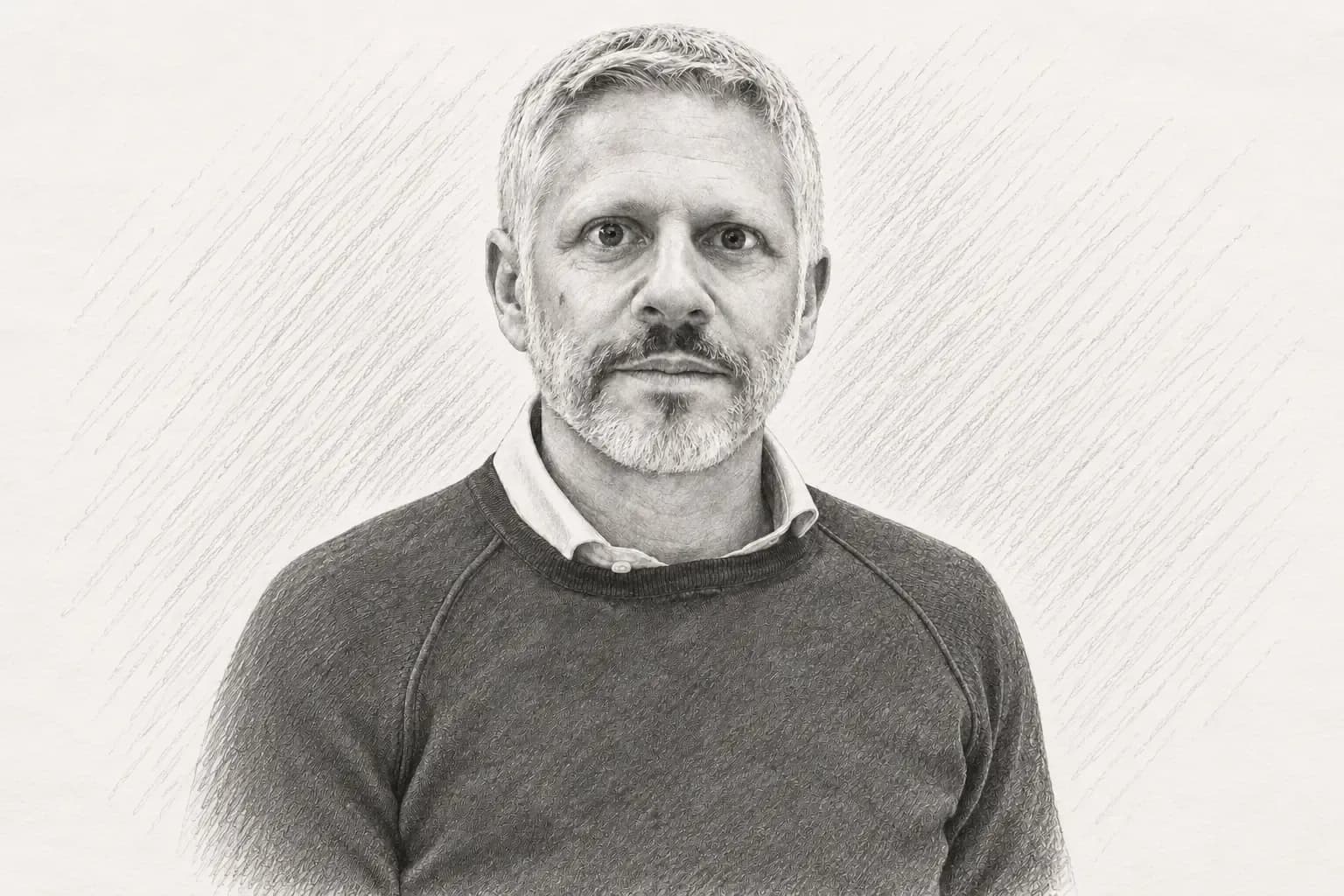
Eze SzafirEze Szafir, CEO of D360 Bank, is overseeing the Saudi lender’s transition from a newly launched digital bank to a larger Shariah-compliant financial platform serving millions of customer accounts. (Image source: D360 Bank)

Drawing on a career that has moved through journalism, retail, technology and European banking, D360 Bank CEO Eze Szafir is now overseeing one of Saudi Arabia’s closely watched experiments in digital Islamic finance.

Saudi Arabia’s push into digital banking is moving beyond licenses and launch announcements. The harder stage has begun: attracting deposits, converting app downloads into active relationships and demonstrating that a branchless bank can operate sustainably under the same regulatory expectations as established institutions.

Eze Szafir sits near the center of that transition. As chief executive officer of D360 Bank, he leads a Shariah-compliant institution backed by the Public Investment Fund and Derayah Financial. The bank operates without a conventional branch network and delivers its services primarily through a mobile application.

D360’s early expansion has been rapid. Derayah reported that the bank had passed three million customer accounts and accumulated approximately $800 million (SAR 3 billion) in deposits by the end of April 2026. Yet customer acquisition is only the opening test. Szafir’s longer-term task is to turn that scale into a durable banking business while managing credit, compliance, cybersecurity and funding risks.

An Unconventional Route Into Banking

Szafir did not begin his career on the traditional path from banking analyst to senior executive. Born in Buenos Aires, he studied engineering before completing postgraduate business studies and conducting research at the Massachusetts Institute of Technology. He later earned a doctorate in psychology from Tilburg University in the Netherlands.

His professional biography also includes an early period as a freelance journalist. That background is an unusual detail in a banking career, but it fits a broader pattern: Szafir has repeatedly worked in industries where understanding how people respond to technology is as important as the technology itself.

Before entering banking, he held positions at companies and consulting firms including Arthur D. Little, McKinsey, Liberty Global, Nike Europe, Deloitte and Amazon Europe. His assignments covered strategy, operations, retail and digital business rather than a single specialist field.

The move into finance came through Santander. Szafir became CEO of Openbank in 2015 and led the reconstruction of the Spanish lender as a mobile-first, cloud-based bank. When the redesigned platform was presented in 2017, Openbank said its technology, application programming interfaces and client transactions had been moved into the cloud.

That assignment gave Szafir experience with a challenge that would later reappear in Saudi Arabia: rebuilding banking around digital infrastructure while retaining the controls expected of a regulated financial institution. Santander confirmed that he remained Openbank’s CEO until 2023.

From a European Digital Bank to a Saudi Challenger

D360 presented a different proposition. Openbank was an established Santander subsidiary being rebuilt for a digital market; D360 was a new Saudi bank that needed to construct its operating model, products and customer base almost from the ground up.

Saudi Arabia’s Council of Ministers approved the licensing of D360 in February 2022. The Saudi Central Bank, known as SAMA, said the institution would initially be established with capital of approximately $440 million (SAR 1.65 billion) through a consortium led by Derayah Financial and including PIF.

Szafir took over as CEO ahead of commercial operations. In December 2024, SAMA granted D360 its no-objection to begin banking operations. The regulator identified it as one of three licensed digital banks in the Kingdom.

D360 describes itself as Saudi Arabia’s first fully Shariah-compliant digital bank. Its three-member Shariah committee is chaired by Dr. Mohamed Ali AlGari, while its governance structure includes dedicated risk, compliance and internal audit functions.

The bank’s paid-up capital has since increased by 27% to approximately $560 million (SAR 2.1 billion).

Building Scale After Launch

Early customer numbers suggest that D360 entered a market receptive to app-based financial services. The bank announced one million customers within its first months of commercial operation. Szafir later said it had passed two million customers within ten months.

Derayah’s June 2026 investor presentation placed the total above three million accounts as of the end of April. The same presentation reported more than $67.2 billion (SAR 252 billion) in transaction value and said D360 had introduced 23 products and features during its first 12 months.

Derayah said D360 had achieved positive unit economics across lending, savings and remittances and had passed its peak-loss phase in 2025.
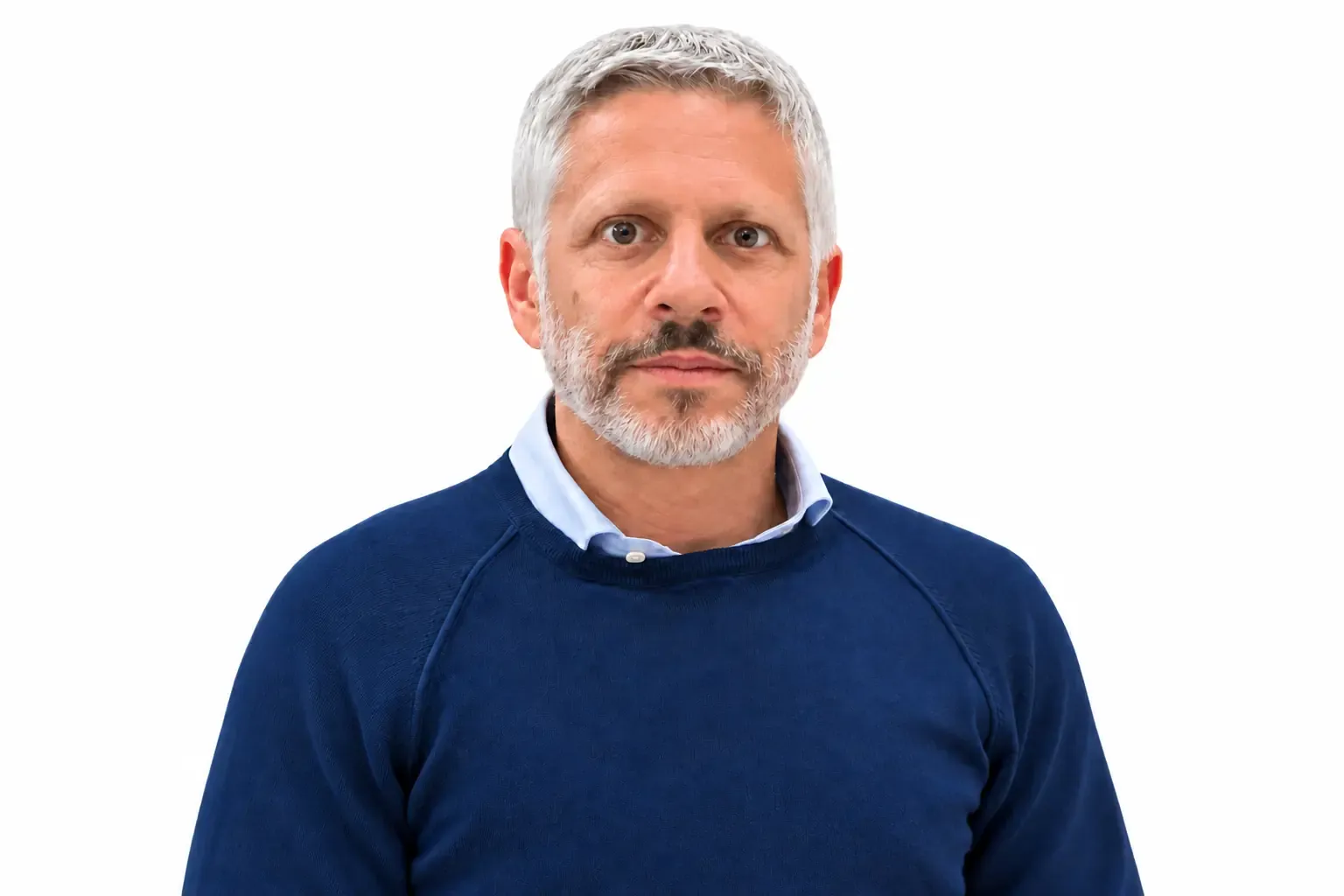
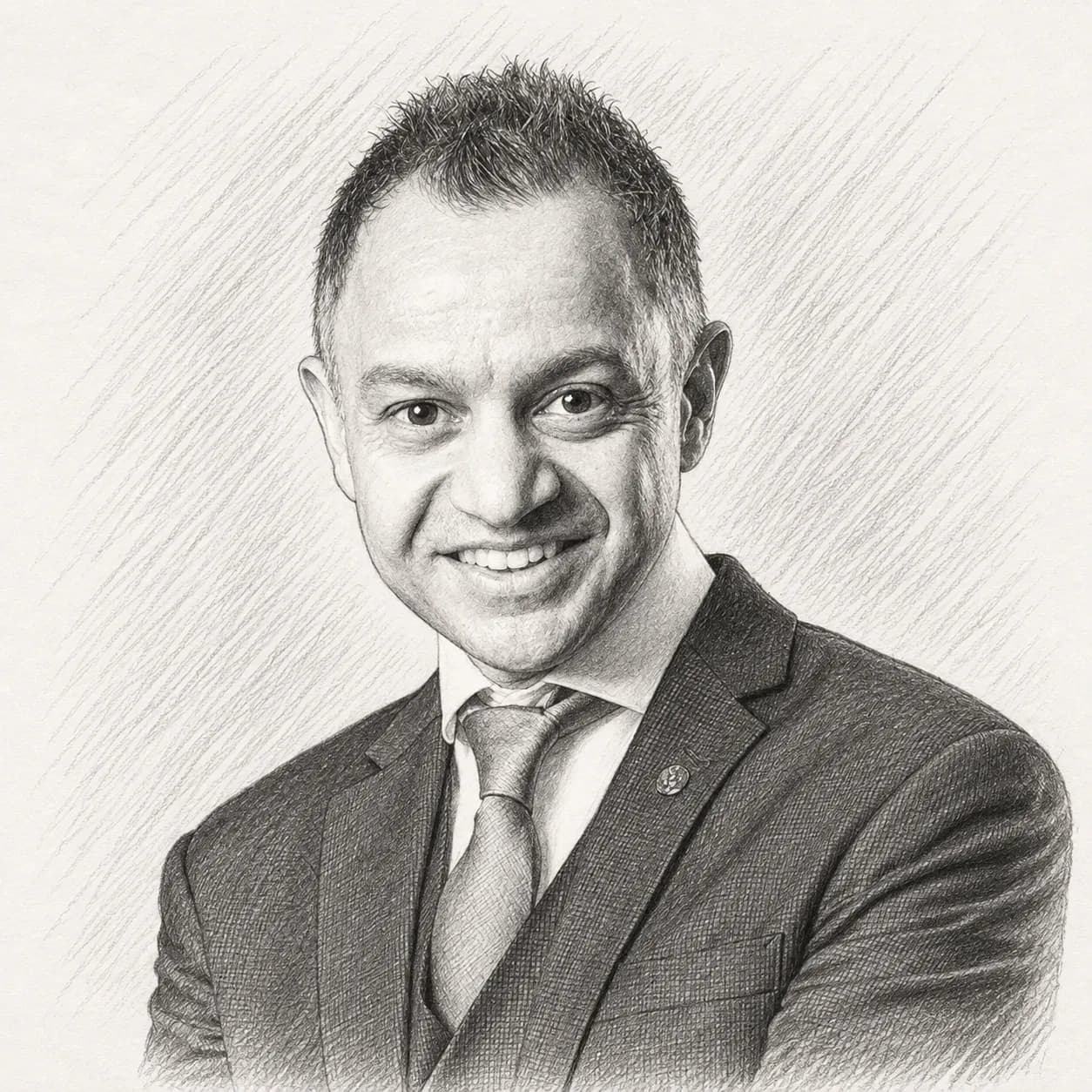
Eze Szafir 2With experience spanning technology, retail and European banking, Eze Szafir now leads D360 Bank as it competes in Saudi Arabia’s expanding digital finance market. (Image source: D360 Bank)

A Bank and a Technology Platform

Szafir’s strategy extends beyond acquiring retail customers. D360 is also developing banking-as-a-service capabilities, allowing other companies and financial institutions to connect to its regulated infrastructure through application programming interfaces.

That approach could give the bank an additional source of revenue without requiring every service to be sold directly under the D360 name. It also changes the nature of the organization. The bank is not simply competing for individual deposits; it is attempting to become part of the infrastructure used by other financial businesses.

The model reflects Szafir’s experience at Openbank, where technology was treated as the foundation of the institution rather than a customer-facing layer placed over older systems. At D360, Derayah says the bank uses cloud-native infrastructure and an asset-light operating model intended to support expansion at a lower incremental cost.

Technology does not remove the obligations attached to banking. A digital institution still has to protect customer data, prevent fraud, assess financing applications, manage liquidity and maintain regulatory capital. Rapid growth can make those responsibilities more demanding because systems and control functions must expand alongside the customer base.

Shariah Compliance in a Digital Setting

D360’s Islamic-finance positioning adds another dimension to Szafir’s role. Product development must satisfy both Saudi banking regulation and the bank’s Shariah-governance process.

The institution offers personal financing, savings accounts, domestic payments and international transfers. Its Sanabil savings products calculate profit distributions rather than presenting returns as conventional deposit interest. Shariah oversight is provided through the committee identified on the bank’s website.

A digital interface can make Islamic financial products easier for customers to access and understand, while the underlying contracts, disclosures and treatment of profit and risk remain subject to careful review. D360’s model therefore brings together the agility of a fintech company with the governance standards expected of a Shariah-compliant bank.

This balance is central to Szafir’s leadership role. Product development, banking supervision, credit controls and Shariah review must operate in step, allowing the bank to introduce new services while maintaining regulatory discipline and customer trust.

The Economics Behind the Customer Numbers

D360’s growth has taken place in a Saudi market where electronic payments are already widespread and established banks have invested heavily in their own applications. The bank is not introducing digital finance to a market without alternatives. It is competing against institutions with large deposit bases, established payroll relationships and decades of customer history.

Szafir has sought to distinguish D360 through travel-related services, international transfers, digital financing and a streamlined mobile experience. The bank has also identified expatriates, younger consumers, freelancers and smaller businesses among its potential customer groups.

Expansion into financing could increase revenue, but it would also expose D360 to a wider range of credit risks. Deposit growth must be matched with disciplined underwriting, while the cost of attracting and retaining customers will influence whether early scale produces sustainable earnings.

The absence of branches may reduce property and staffing costs, although those savings are partly offset by spending on engineering, cybersecurity, compliance, customer support and fraud prevention. A digital bank’s cost base is different from that of a traditional lender, not necessarily insignificant.

Leading D360 Beyond Its Launch Phase

Szafir has already overseen D360’s transition from a licensed project into an operating bank with millions of accounts. The next phase will provide a more demanding measure of his leadership.

With a substantial customer base already established, D360 is turning its attention to deeper customer activity, deposit growth, credit quality and the performance of its expanding product range. Wider adoption of its banking-as-a-service infrastructure could provide another avenue for long-term growth.

The broader significance extends beyond one institution. D360 is part of Saudi Arabia’s effort to increase competition and develop a more technology-driven financial sector. Its performance will help show whether a locally backed, Shariah-compliant digital bank can convert strong initial adoption into a resilient banking franchise.

Szafir’s career across several industries and continents has given him a broad perspective on technology, consumer behavior and organizational change. At D360, that experience is being applied within Saudi Arabia’s regulatory framework and adapted to the expectations of customers in the Kingdom.

With its launch complete and a substantial customer base established, D360 is entering a new phase centered on deeper engagement, broader services and sustainable expansion. Szafir’s role now is to carry the bank’s early momentum into its long-term development.