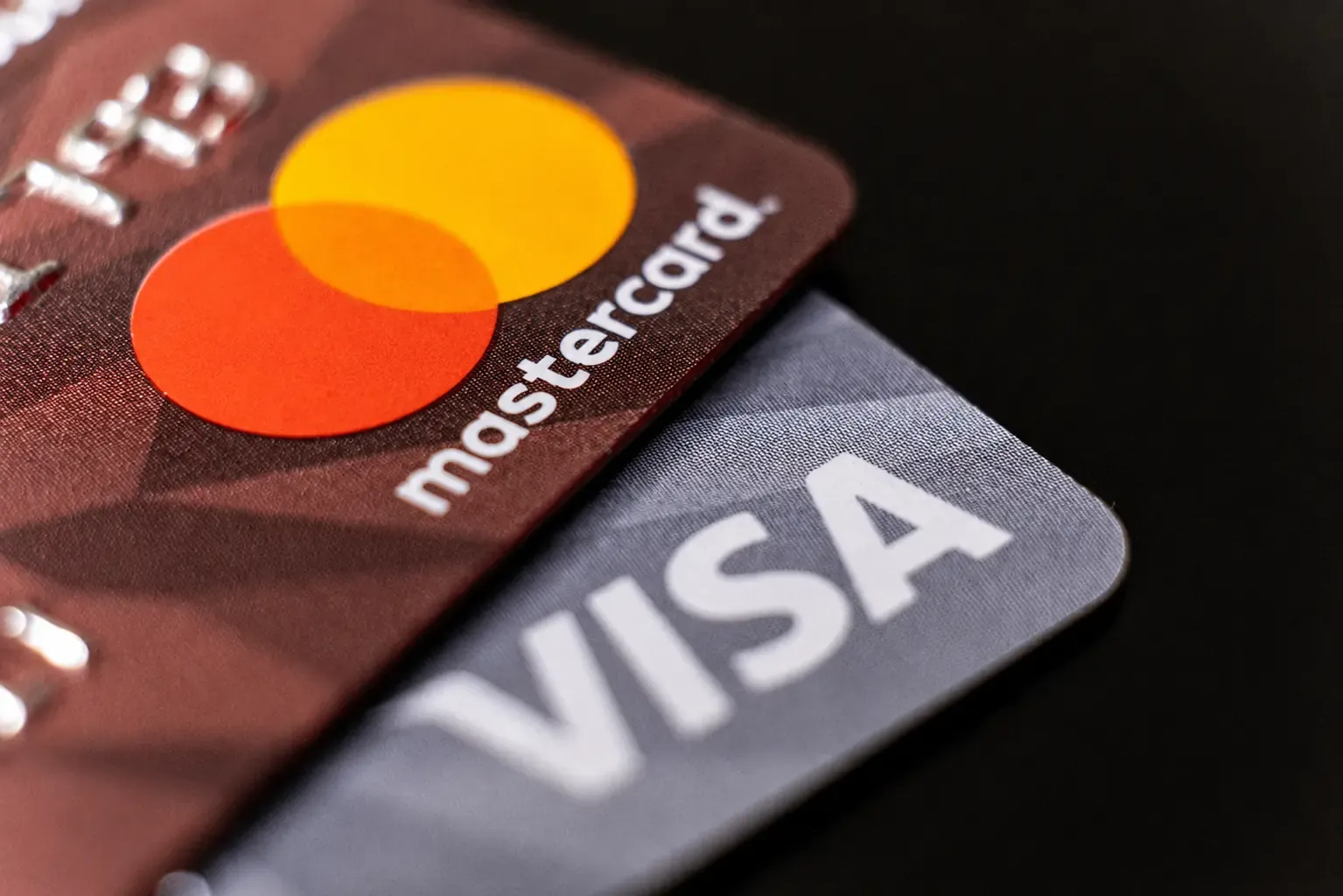
Visa and Mastercard have completed live international card transactions in Syria, opening a limited route for foreign-issued payment cards to be used in a market that spent years largely disconnected from global financial networks.
Card Networks Complete Separate Transactions
Visa tested its first live international card transaction in Syria in cooperation with Fransabank Lebanon and Syrian payment technology provider Paymera, according to a report by Reuters. Fransabank served as the acquiring financial institution, meaning it handled the merchant’s side of the transaction.
Syrian President Ahmed al-Sharaa participated in the Visa test by making a card payment at a restaurant in Damascus’ Old City, Reuters reported, citing video published by Syrian state media. Central Bank of Syria Governor Mohammed Safwat Raslan was present during the transaction.
Mastercard and QNB Group separately processed what the companies described as Syria’s first international card payment in more than 15 years. QNB Syria completed a point-of-sale transaction at an approved local merchant using an internationally issued Mastercard.
The two developments were closely timed but involved separate banking arrangements. Visa worked with Fransabank Lebanon and Paymera, while Mastercard’s transaction was processed through QNB Syria after the country’s payment infrastructure was technically reconnected to Mastercard’s network.
Rollout Begins with Selected Merchants
QNB’s system is initially expected to support Mastercard payments at eligible merchants such as hotels, restaurants and government entities equipped with its point-of-sale terminals. Additional businesses are due to be connected gradually, subject to regulatory approval.
Mastercard and QNB had been preparing the underlying infrastructure before the inaugural transaction. In May, the companies announced a collaboration covering point-of-sale terminals, e-commerce payments and software-based SoftPOS technology, which allows compatible devices to accept contactless payments.
Visa has also been working with Syrian authorities ahead of the test. The company previously outlined a phased payment modernization plan developed with the Central Bank of Syria. The initiative included assessing the country’s payment infrastructure, supporting regulatory development and preparing banks and merchants for eventual connection to international payment systems.
The first transactions represent a measurable change for Syria’s financial system. International visitors have traditionally faced difficulty using foreign cards in the country, while Syrian businesses have operated with limited access to overseas payment networks. Broader acceptance could eventually reduce reliance on cash in tourism and some commercial transactions, although its reach will depend on the pace of merchant onboarding and regulatory approvals.
U.S. Policy Shift Supports Financial Reconnection
The card transactions followed a series of U.S. policy changes that created more favorable conditions for Syria’s participation in international commercial activity.
Recent policy changes have created a clearer environment for Syrian institutions seeking to reconnect with international commerce. The shift has also given overseas banks and payment companies more confidence to explore partnerships in the country.
Certain targeted restrictions remain, meaning banks and payment companies must continue conducting compliance checks on customers and transactions. The revised framework nevertheless gives financial institutions greater clarity when assessing potential links with Syrian banks and businesses.
Technical and regulatory preparations for international card transactions began months before the latest policy changes, according to the Central Bank of Syria. The improved policy environment supported those efforts but did not itself create the infrastructure needed to process international payments.
Rebuilding regular financial connections will require continued work on governance, cybersecurity, regulatory oversight, risk controls and financial compliance. The central bank is also seeking to restore correspondent banking relationships that allow domestic institutions to settle payments through banks in other countries.