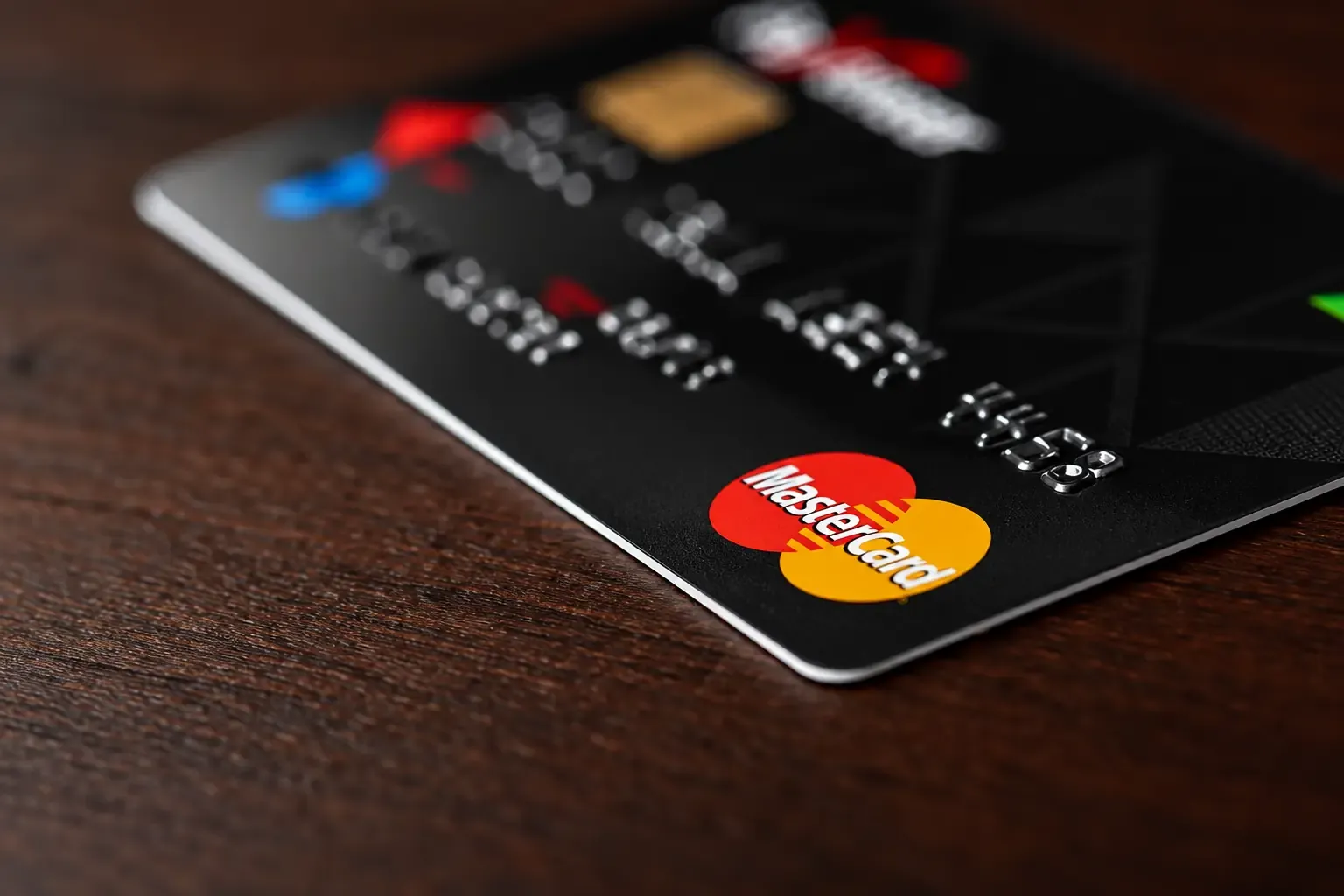
Mastercard has introduced Wallet Pay, a portfolio of payment services designed to help digital-wallet providers connect their users with merchants, financial institutions and payment systems across different countries.
The new offering combines infrastructure for contactless payments, QR codes, online purchases, card issuance and cross-border money transfers. Rather than functioning as another consumer wallet, Wallet Pay supplies the underlying connections that existing wallet operators can use to extend their services.
Several large payment platforms are working with Mastercard on the initiative, including Alipay+ and its partner wallets, as well as Axian, CRED, DaviPlata, Mercado Pago, MTN and TenPay Global.
Connecting Previously Separate Wallet Systems
Digital wallets have become an everyday payment tool in many markets, but their usefulness can still diminish when users cross a border or encounter a merchant connected to another payment system. A wallet accepted widely in its home country may offer fewer options abroad, requiring travelers to switch to a card, cash or a different app.
Mastercard said Wallet Pay is intended to reduce that fragmentation by linking wallet providers with its international payments network. The portfolio supports near-field communication, commonly used for tap-to-pay transactions, alongside QR-code and online payments. It can also connect transfers involving cards, wallets and bank accounts across more than 200 countries and territories and 150 currencies.
Jorn Lambert, chief product officer at Mastercard, described digital wallets as a starting point for a broader range of financial services:
“Wallets are gateways to the digital economy and launchpads for broader financial services. Through our Wallet Pay solutions, we’re helping our partners to enhance the interoperability and user experience of their payment systems, underpinned by trust, scale and convenience for the people and businesses they serve.”
The service also gives wallet companies infrastructure through which they can issue credit, debit or prepaid cards. This could allow a provider that began with domestic transfers or QR payments to add broader payment functions without independently building connections in every market.
Early Partners Span Asia, Africa and Latin America
Alipay+, Ant International’s cross-border payment platform, is among the most prominent participants. Its network connects more than 50 electronic wallets and banking applications, as well as more than 10 national payment systems. Wallets named in the launch include AlipayHK, GCash, KakaoPay, Malaysia’s TNG eWallet and Thailand’s TrueMoney.
The arrangement could be most noticeable when customers travel. A user may be able to continue paying through a familiar home-market wallet while accessing merchants connected through Mastercard or an overseas partner. TenPay Global, for example, said its work with Mastercard would enable international visitors to use their home wallets for QR payments at Weixin Pay merchants in mainland China.
Other participants show how the same infrastructure may be applied differently by region. Colombia’s DaviPlata has used Mastercard-linked digital debit cards that can be added to Apple Pay and Google Pay, while African telecommunications group MTN is seeking to connect more users of its mobile-money services with the wider digital economy. Mercado Pago’s participation brings one of Latin America’s largest financial platforms into the initiative, while Axian’s involvement adds wallet operations serving African markets.
Breaking Down Digital Payment Barriers
Mastercard’s launch comes as the number of wallet users continues to rise. The company said digital wallets currently serve more than 4.3 billion people worldwide. Separately, Juniper Research projects that the figure will exceed 6 billion by 2030, representing more than three-quarters of the world’s population.
Expanding the user base, however, does not automatically make different wallets compatible. Many platforms have grown within national or regional payment environments, producing a crowded market in which applications differ in acceptance, funding methods and cross-border capabilities. Mastercard’s approach is to position its network as connective infrastructure between those systems while allowing wallet providers to retain their own brands and customer relationships.
Joyce Bo, executive vice president of Core Payments for Asia Pacific at Mastercard, outlined the practical challenge facing wallet providers as they expand:
“Consumers and merchants don’t think about the complexity behind payments. They simply want to pay and get paid using the payment experiences they already know and trust, whether they're shopping at home or abroad. The first chapter of digital wallets was adoption. The next chapter is interoperability at scale. As wallet ecosystems mature, the challenge is extending their reach across more merchants, use cases and borders. Mastercard Wallet Pay helps wallet providers expand what they can offer, from cross-border money movement to card issuing, without having to build all of that connectivity themselves.”
The company is also linking Wallet Pay to the commercial challenges faced by wallet operators. A Mastercard white paper says many providers in emerging markets are still working toward profitability despite rapid adoption. It identifies international transfers, broader merchant acceptance and partnerships with payment networks as possible sources of sustainable revenue, while acknowledging the risks associated with expanding into products such as credit.