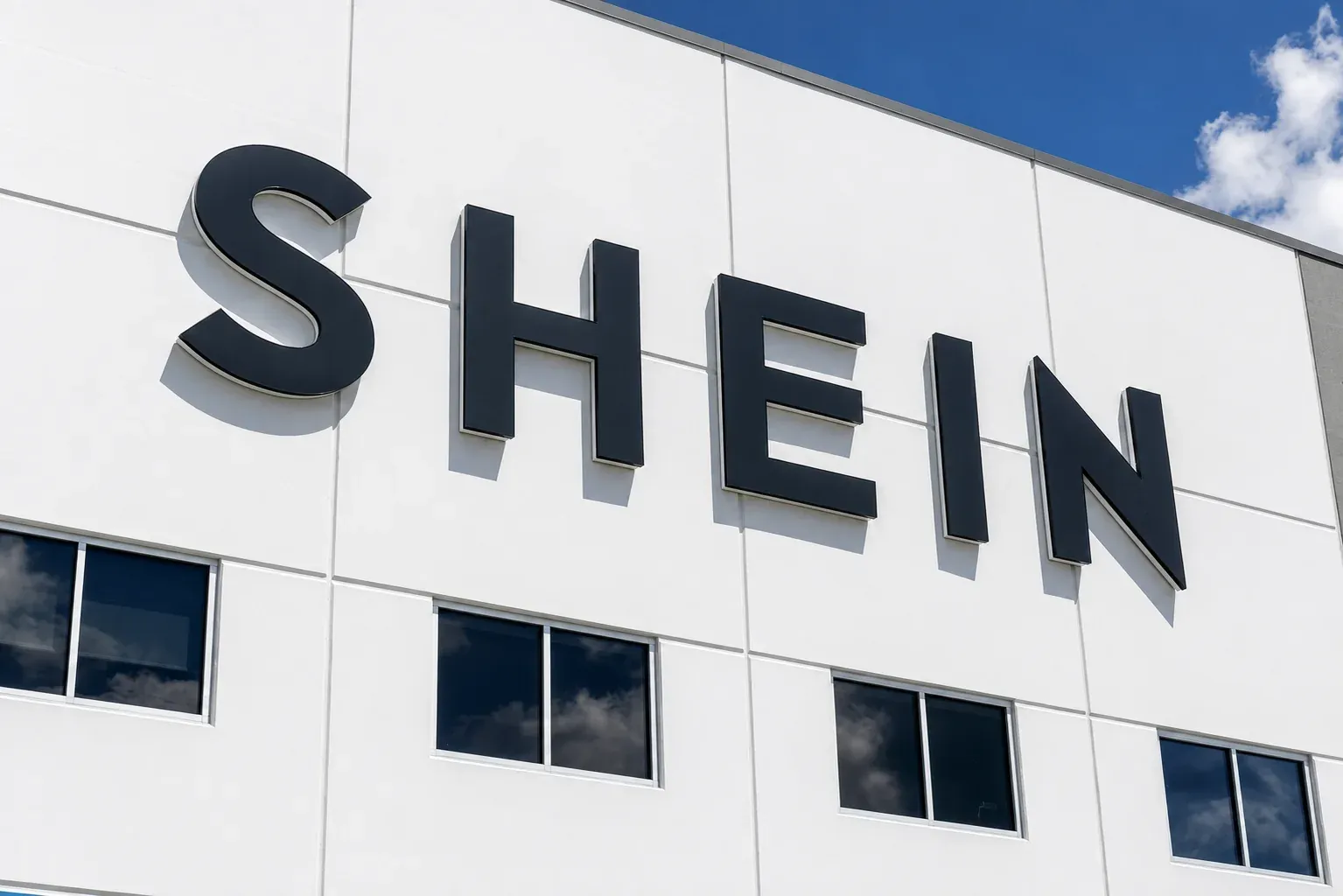
 SHEIN is preparing for a Sept. 1 trading debut after launching its long-awaited initial public offering at a valuation of up to $27 billion. (Shutterstock)
SHEIN Global Holdings has launched a Hong Kong initial public offering that could raise approximately $1.77 billion (HK$13.86 billion), bringing the online fashion retailer to public markets after several years of regulatory delays and abandoned listing plans. According to the company’s official global-offering announcement filed with Hong Kong Exchanges and Clearing, SHEIN is offering 279,992,500 Class B shares before any exercise of the over-allotment option.
The shares are being marketed between approximately $6.08 and $6.32 each (HK$47.60 to HK$49.50). At the top of the range, the offering would imply a market capitalization of approximately $27 billion. The valuation is markedly lower than the $98.2 billion assigned to SHEIN during a private fundraising round in 2022.
Hong Kong investors were initially allocated about 28 million shares, representing 10% of the offering, while roughly 252 million shares were assigned to the international portion. The public subscription period closed Aug. 27, and the final offer price is scheduled to be announced by Aug. 31. Trading is expected to begin on the Hong Kong Stock Exchange at 9 a.m. local time on Sept. 1 under stock code 00625, subject to the offering becoming unconditional.
The IPO arrives under considerably different conditions from those surrounding SHEIN’s pandemic-era expansion. Rapid growth, inexpensive cross-border shipping and demand from consumers spending more time online helped push the company’s private valuation close to $100 billion in 2022. Four years later, investors are assessing a business facing slower growth, higher trade costs and stronger competition from platforms including Temu.
According to SHEIN’s official listing document, the company generated $41.8 billion in net revenue and approximately $2.06 billion in net income during 2025. Growth slowed entering 2026, with first-quarter net revenue rising 1.1% to $9.1 billion. SHEIN recorded a quarterly net loss of $99 million, compared with net income of $395 million a year earlier, primarily due to a $328 million fair-value loss on its convertible redeemable preferred shares.
Changes to import rules have also placed pressure on SHEIN’s model of sending low-value parcels directly to individual customers. The end of the United States’ duty-free treatment for many low-value shipments increased the cost of serving one of the company’s most important markets. SHEIN has also encountered greater regulatory scrutiny in Europe and the United States involving product compliance, supply-chain practices, consumer protection and the environmental effects associated with high-volume fashion production.
A group of cornerstone investors has committed approximately $383 million to SHEIN’s IPO. The participants include existing shareholders Boyu Capital, Tiger Global Management and General Atlantic, giving the transaction a base of committed institutional participation before public trading begins.
Shares purchased through cornerstone agreements are subject to lockup restrictions, preventing those investors from selling them immediately after the listing. Such arrangements can provide greater certainty during an IPO, although they also temporarily reduce the number of shares available for trading on the open market.
The cornerstone commitments represent roughly 22% of the offering’s maximum value, leaving most of the shares available to other institutional and retail investors. Their participation gives SHEIN an established base for the transaction while preserving a broader pool of public ownership after the listing.
SHEIN said the offering proceeds would be directed toward strengthening its technology infrastructure, improving logistics and supply-chain capabilities, and supporting its international operations. The company’s business relies on analyzing customer activity and responding with comparatively small initial production runs, allowing suppliers to increase output when an item attracts demand.
Bringing that model to public markets will expose SHEIN to a new level of financial disclosure and shareholder scrutiny. Investors will be watching whether the company can preserve its pricing advantage as duties, compliance expenses and delivery costs increase. Its ability to maintain sales growth without sacrificing margins will also influence whether the reduced IPO valuation proves attractive or reflects longer-lasting pressure on the business.
The listing would close a prolonged search for a public-market venue. SHEIN previously explored an offering in New York and later pursued London, but neither effort produced a listing amid regulatory and political obstacles. Hong Kong now offers the company a route to public ownership, although its expected $27 billion valuation shows how significantly investor expectations have changed since the height of its private-market expansion.