London-based artificial intelligence startup Mantic has raised $25 million in seed funding after its forecasting system finished ahead of every human participant in a major online prediction tournament.
The financing was led by Radical Ventures, with participation from Balderton Capital, Microsoft’s venture fund M12, Thinking Machines Lab, DRW, FT Ventures, Episode 1, Charlie Songhurst and Thomas Wolf.
Mantic intends to use the capital to expand its workforce and increase the computing capacity and data supporting its forecasting system. The company is recruiting across research, engineering, product development, sales and operations while seeking additional customers, particularly among financial-market traders.
Funding Follows a High-Profile Forecasting Result
Investor interest followed Mantic’s performance in the Summer 2026 Metaculus Cup, an online competition that asked participants to assign probabilities to the outcomes of political, economic, technological and cultural events. The tournament ran from May to September and included both human and automated forecasters.
Mantic’s system placed ahead of all 676 human participants, including professional forecasters, while one automated competitor achieved a higher overall score. Its performance therefore marked a victory over the tournament’s human field, rather than every AI entrant.
Prediction tournaments evaluate more than whether a participant ultimately selects the correct outcome. Forecasters assign probabilities to possible events and are scored according to how well those probabilities correspond with what later happens. A forecast that gives an event a 70% chance, for example, is judged differently from a categorical prediction that the event will simply occur.
Mantic cited Colombia’s presidential election as one question where its system moved ahead of the crowd, identifying Abelardo de la Espriella as the favorite before the wider forecasting community did.
Building AI to Make Probabilistic Judgments
Founded in London in 2024, Mantic concentrates on what it describes as “judgmental forecasting.” This category covers questions that require research and contextual reasoning but may not have enough stable historical data for conventional statistical models. Elections, geopolitical tensions, policy decisions, product releases and shifts in business conditions are among the areas the company targets.
Its forecasts generally cover periods ranging from one week to one year. Instead of developing a large foundation model entirely from scratch, Mantic adapts frontier models from other AI developers and surrounds them with specialized forecasting processes.
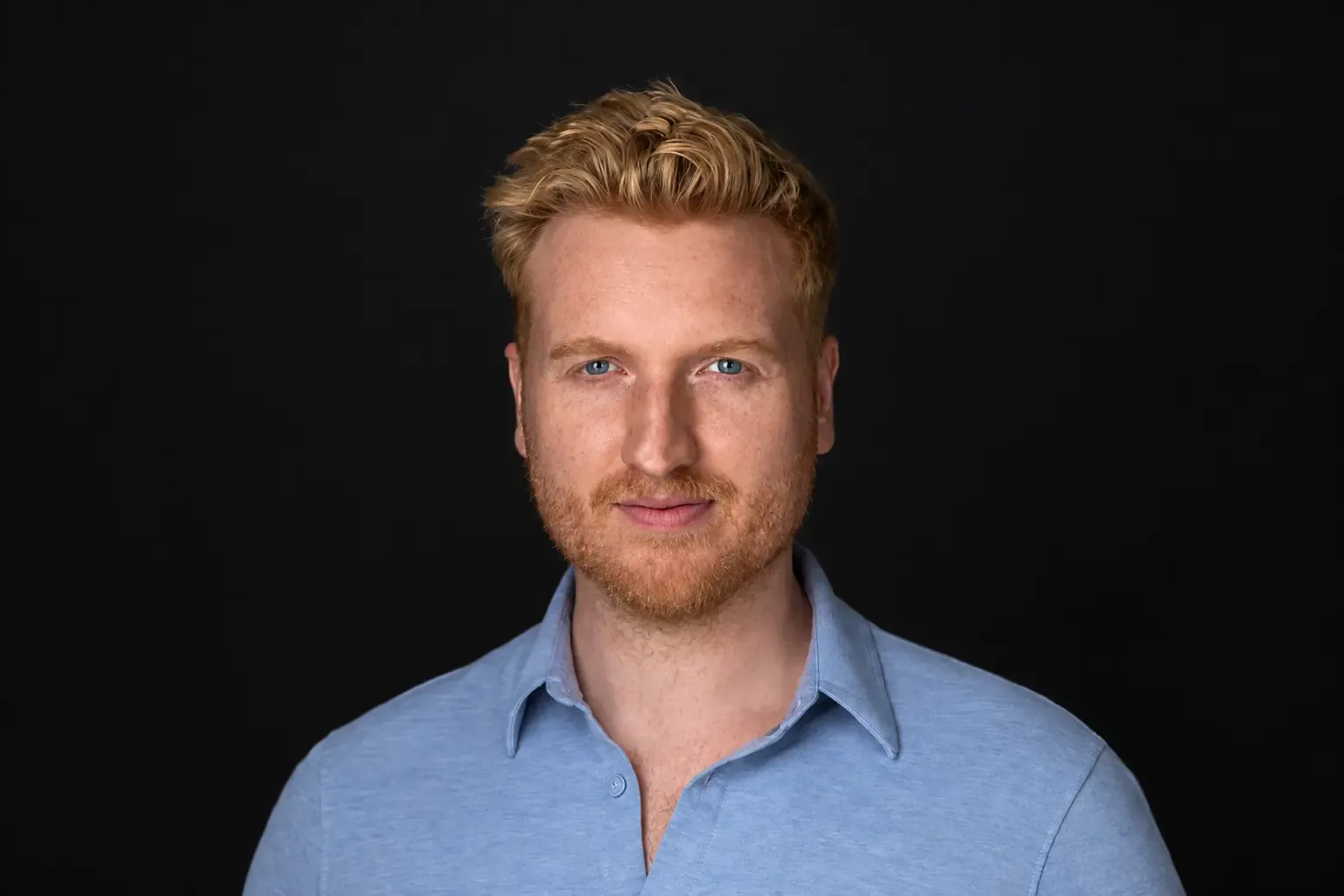
Shevlane co-founded the business with Chief Technology Officer Ben Day. Before Mantic, Shevlane spent two and a half years at Google DeepMind as a senior research scientist and worked on testing the potential dual-use capabilities of Gemini. Day previously led research at Foresight Data Machines and holds a doctorate in machine learning from the University of Cambridge. Their backgrounds place the company at the intersection of AI evaluation, machine learning and practical forecasting rather than conventional market research.
The latest investment follows a previously disclosed $4 million pre-seed round led by Episode 1, with backing from trading firm DRW and angel investors connected to organizations including Google DeepMind and Anthropic. Mantic’s new financing gives the young company considerably more resources.
Financial Markets Present an Early Test
Mantic says hedge funds are already using its forecasts to assess market-moving developments in geopolitics, macroeconomics and business.
Corporate and government applications present a separate opportunity. Mantic says businesses are exploring the system for merger and acquisition planning, product launches, supply chains and demand forecasting, while public-sector users could apply similar tools to geopolitical or policy scenarios. Those uses also raise practical questions about transparency: organizations making consequential decisions may want to understand the sources, assumptions and uncertainty behind each probability rather than rely on a single number.
The $25 million round reflects growing investor interest in moving generative AI beyond text production and into structured decision support. Mantic now has capital to test that proposition on a larger scale.