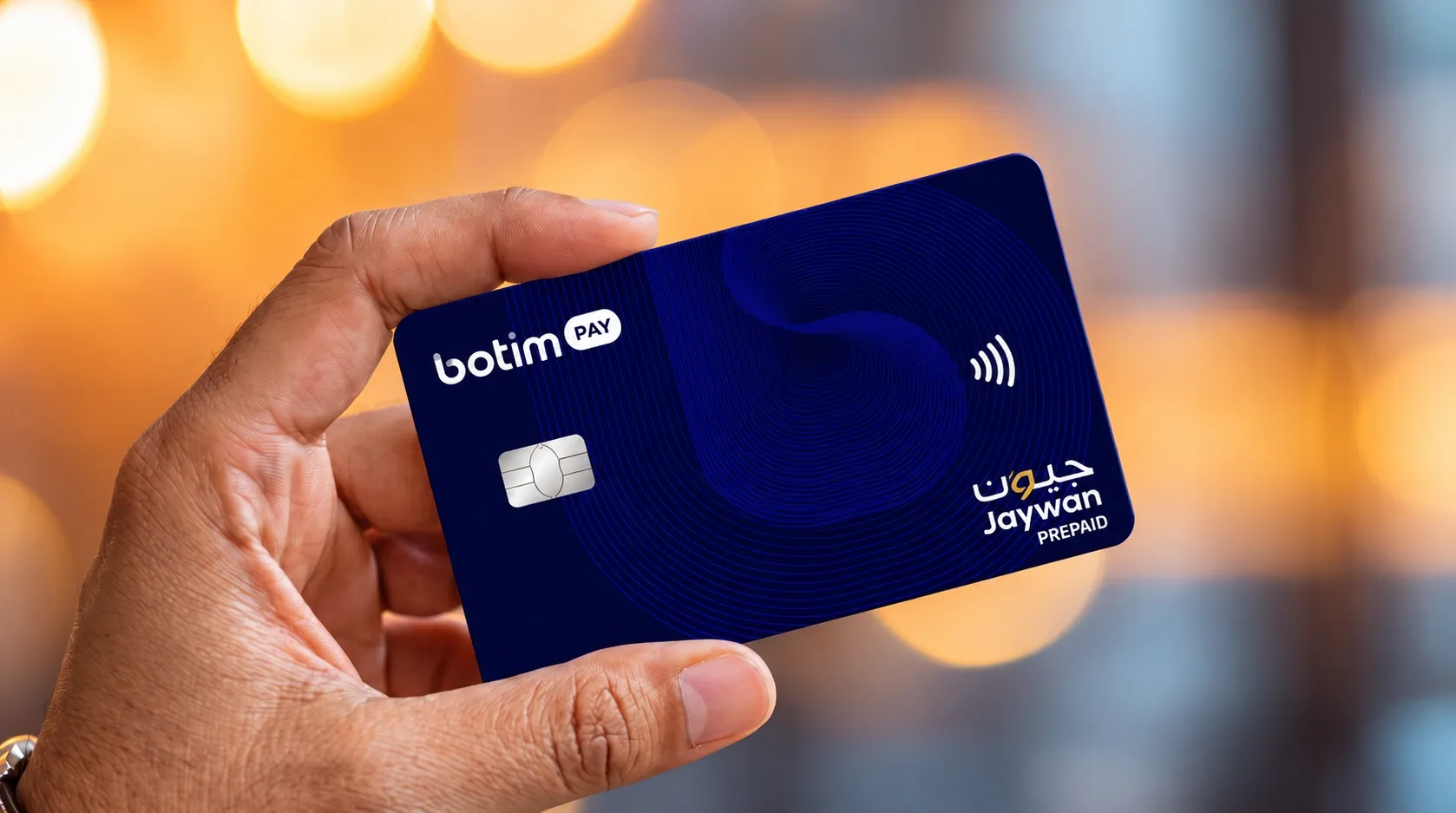
Dubai, United Arab Emirates — Abu Dhabi-headquartered fintech Botim has launched the Botim One Jaywan Prepaid Card, which the company says makes it the first fintech platform in the UAE to issue a prepaid card on Jaywan, the national card scheme, with an initial phase aimed at more than 200,000 workers.
The card is being distributed through Botim's payroll business. Employers that pay wages through the company's Wages Protection System solution can send salaries digitally, and their staff can then spend that money with the card at payment terminals and online. Botim, which reports more than 8.5 million users in the UAE, said the launch would help bring Jaywan to the country's workforce communities.
Two channels will carry the first phase: Botim's existing corporate payroll clients and its strategic partnerships with exchange houses, both of which already work with employers and workers across the country. Together they are expected to reach more than 200,000 workers. Over time, Botim aims to offer the card to as many as 4 million workers in the UAE as adoption grows.
Jaywan is run by Al Etihad Payments, a subsidiary of the Central Bank of the UAE. Because domestic card transactions on the scheme are routed and processed inside the country, it gives the UAE more control over its payments infrastructure and over how payment data is handled. Jaywan cards work at point-of-sale terminals and in e-commerce, and carry a rewards and offers program designed for UAE consumers.
The Ministry of Human Resources and Emiratisation (MoHRE) has accredited Botim as a financial institution allowed to provide WPS services, which ties the new card to a digital payroll network that is already running. The company said letting workers pay through the national scheme carries the benefit of digital wages past the point of salary payment and cash withdrawal. It added that each fintech or financial institution joining Jaywan opens another route for the scheme to reach people around the UAE.
Cardholders also get access to Botim's other financial services. Sign-up is digital and available in several languages, with no minimum salary and no minimum balance. Users can send money to more than 170 international destinations, use over 125 dining, travel and lifestyle offers, buy fractional gold and silver starting from approximately $2.72 (AED 10) and, if eligible, take up a range of credit products.
Botim's fintech customers sit largely in the segments the scheme is trying to reach. About 65% are blue-collar workers and a further 31% are in grey-collar professions, according to the company, which said this places it to speed up Jaywan adoption among communities that traditional financial services have historically underserved.
H.E. Dr. Tariq BinHendi, CEO of Botim, said: “The UAE continues to set a clear direction for the future of financial services by investing in infrastructure that is efficient, resilient and built for long-term national growth. Jaywan marks an important step in strengthening the country's payments ecosystem, supporting financial inclusion and advancing the UAE's digital transformation. Botim is proud to contribute to this national priority by supporting wider adoption of the scheme among workforce communities that are central to the UAE's economy.”
Andrea Cianchetti, Chief Products Officer at Al Etihad Payments, added: “The introduction of the first Jaywan prepaid card by Botim advances the expansion of the UAE's domestic card scheme and is a testament of how Jaywan delivers on its commitment to enhance financial inclusion. As more banks, fintechs, and regulated financial institutions introduce Jaywan products, the scheme reaches more customer segments and supports a broader range of everyday payment needs. This launch shows how prepaid products can extend secure digital payments to workforce communities and extends their participation in the UAE's national payment strategy in adopting the UAE's domestic card scheme.”
Botim tied the rollout to three national plans: the UAE's Financial Infrastructure Transformation Programme, the National Digital Economy Strategy and We the UAE 2031. The company said each is served by widening access to UAE-issued cards that process domestic payments locally.
The launch follows an earlier Jaywan move. In May 2025, Botim signed a partnership with digital bank Mbank at the Dubai Fintech Summit to bring Jaywan prepaid cards into its app, a deal the two said made Botim, powered by PayBy, the first fintech platform in the UAE to enable Jaywan card issuance. Under that arrangement, verified users could apply for and activate the card in the app without a traditional bank account.
Botim is part of Astra Tech and the wider G42 group, and says it serves more than 170 million users in over 155 countries across connectivity, payments, remittances, credit and investment. PayBy, the group's fintech arm, holds Stored Value Facility and Retail Payment Services licenses from the UAE central bank, Astra Tech said in its 2025 announcement.
The national scheme moved into wider use in July 2026, when the UAE began nationwide issuance of Jaywan cards through banks, licensed financial institutions and exchange houses, in phases. The cards can be used at point-of-sale terminals, on e-commerce platforms and at ATMs.
Banks have led that rollout so far. Dubai Islamic Bank introduced a Jaywan debit card for customers with existing current or savings accounts, while First Abu Dhabi Bank and Commercial Bank of Dubai were among the lenders that announced cards as issuance began. On the acceptance side, Network International has enabled Jaywan payments across its e-commerce merchant network.
A prepaid card tied to payroll could take the scheme to a different set of users. Bank-issued Jaywan debit cards such as DIB's need an existing account, while Botim's card has no minimum salary or balance requirement, which may make it easier for lower-paid workers to hold a card on the national network.