

Long before fintech became one of the Middle East’s most dynamic investment sectors, Arab Financial Services (AFS) was building the infrastructure required to process and enable electronic payments across the region.
Established in Bahrain in 1984, AFS today occupies a distinctive position between traditional financial institutions and the new digital economy. The company is owned by 36 banks and financial institutions and serves more than 60 banking clients across over 20 countries in the Middle East and Africa. Its operations encompass issuing and card processing, merchant acquiring, fintech infrastructure and a range of value-added payment services.
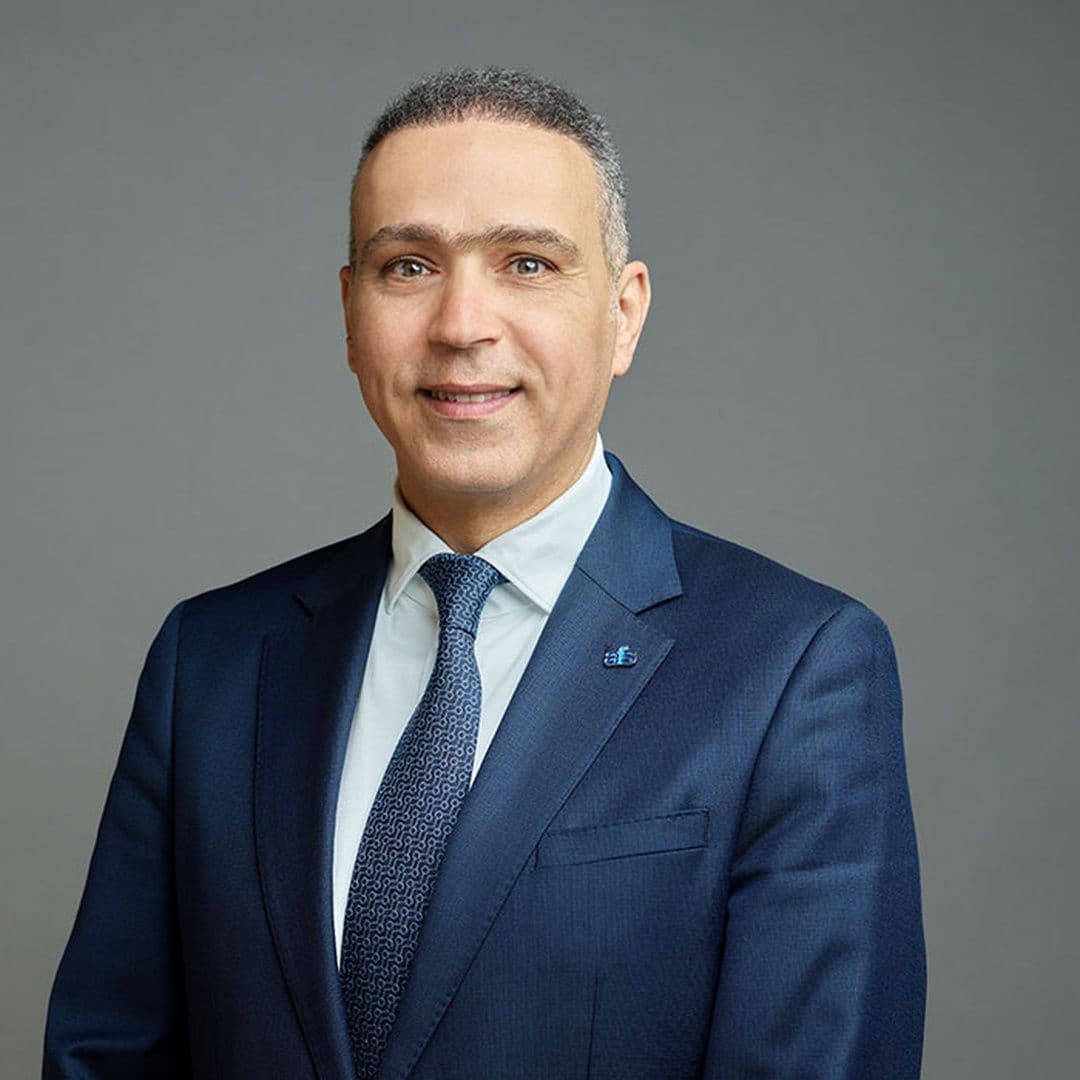
Leading that next phase is Dr. Samer Soliman, Group Chief Executive Officer. Under Soliman, AFS has pursued an increasingly ambitious regional expansion strategy, particularly in some of MENA’s largest and fastest-growing financial markets.
Its expansion into the UAE is especially significant. Following the award of a Retail Payment Services Category II licence from the Central Bank of the UAE, AFS entered the market with the ability to deploy merchant and digital-payment capabilities within one of the region’s most competitive fintech ecosystems. It is also regulated in Bahrain and licensed in Egypt, giving the business an increasingly important multi-market regulatory footprint.
In 2026, AFS continued building out that regional strategy. Partnerships with Comera Pay and Ajman Bank strengthened its UAE presence, while a collaboration with Mastercard introduced corporate credit and prepaid cards integrated into AFS Pro in the UAE and Egypt. The platform brings together business spending and incoming-payment management, illustrating how payment processors are increasingly moving towards comprehensive financial-operating systems for companies.
The strategic importance of AFS lies in its position behind the scenes. Consumers may not always recognise the infrastructure provider facilitating a card transaction, powering a merchant platform or enabling a bank's digital-payment product, but companies such as AFS form an essential layer of the financial system.
Soliman's leadership reflects that infrastructure-first approach. Rather than attempting to own every customer relationship directly, AFS enables banks, fintech companies and merchants to build sophisticated financial experiences on top of its technology.
In a region where payment markets are rapidly converging and financial institutions increasingly require technology that works across borders, AFS's decades of operating experience combined with a renewed push into markets such as the UAE and Egypt make it one of the Middle East's most consequential fintech enablers.