@2026 Finance News International. All Rights Reserved.

Blends Media
A Blends Media Group Production

Kristo Käärmann: From a Currency Swap to a Global Payments Network

Arry Hashemi
Arry Hashemi
Nov. 13, 2026
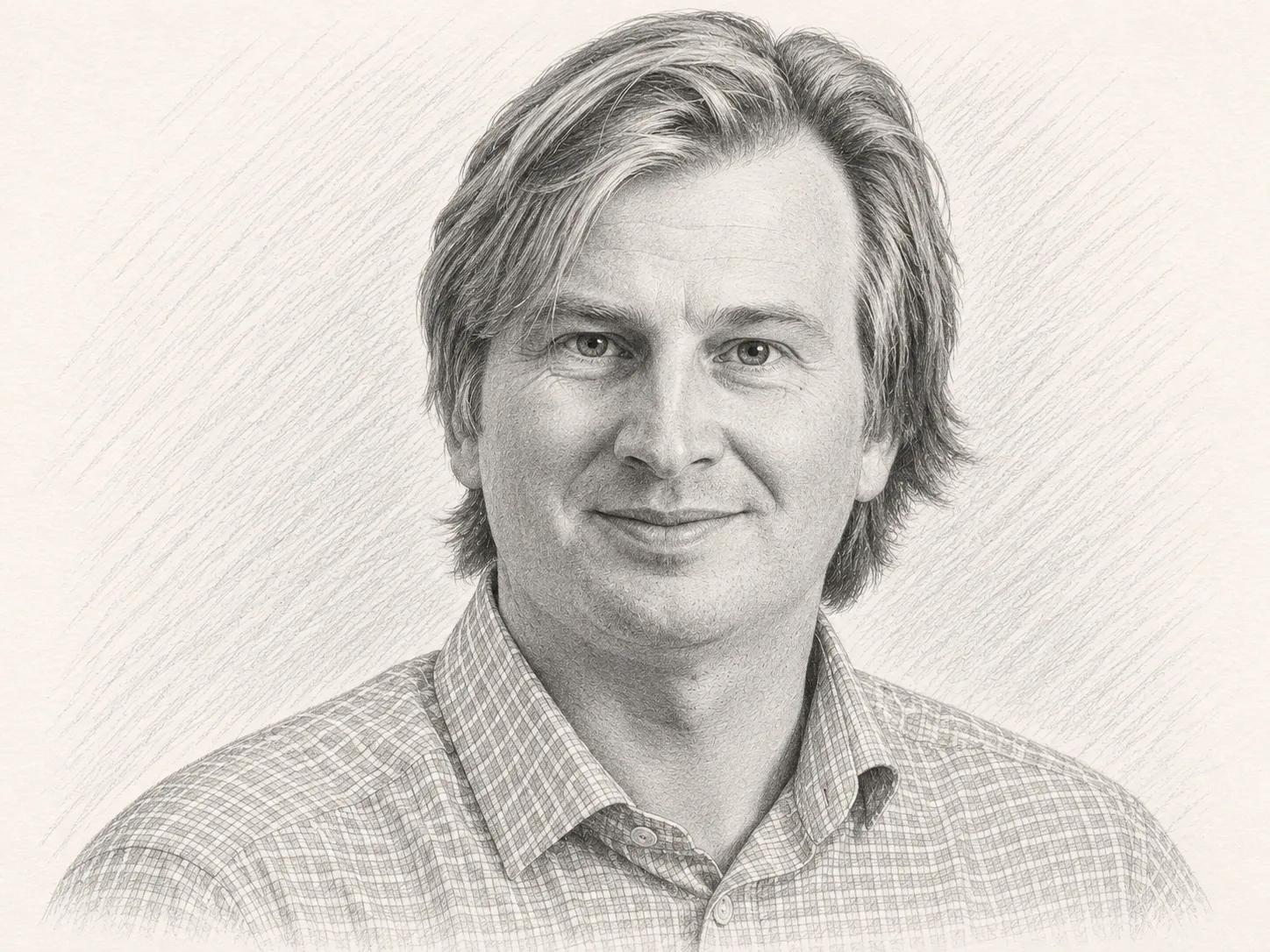
Kristo KäärmannKristo Käärmann needed money in Estonia to pay his mortgage. His friend Taavet Hinrikus needed pounds in London. The two began swapping currencies, an arrangement that became the basis for Wise. (Image source: Wise)

When Kristo Käärmann was working in London, his salary came in pounds and his mortgage was back in Estonia. His friend Taavet Hinrikus had the opposite problem. He was earning money from Skype in Estonia and needed pounds to live in London. They agreed to use the mid-market exchange rate, the midpoint between the buying and selling prices for a currency. Käärmann paid into Hinrikus’s British account, and Hinrikus paid into Käärmann’s Estonian account. Each got the currency he needed through a local transfer.

The two launched TransferWise in 2011. Fifteen years later, Wise said 16.2 million people and businesses used its services in the six months through September 2026 and moved $141 billion across borders. Transfer volume rose 24% from a year earlier. The results, published November 12, came two days after Wise introduced interest and investment options for U.S. customers. Together, the announcements show how the business Käärmann still leads has broadened its focus from moving money to helping customers decide what to do with it between transfers.

From Consulting to Cross-Border Payments

Before he co-founded TransferWise, Käärmann studied mathematics and technology at the University of Tartu and worked as a consultant at Deloitte and PwC. His clients included European banks and insurers, which he helped update their systems and the way they operated.

TransferWise opened its first London office in 2012, the same year it raised $1.3 million in seed funding. Its early expansion took it beyond Europe. By 2015, the company had launched its money transfer service in the United States and Australia.

The company began serving a different kind of customer in 2016. Its first product for businesses gave small companies and self-employed workers a way to send money abroad. That brought the service into the day-to-day work of running a business, where international transfers could mean paying a supplier or contractor overseas.

Why TransferWise Became Wise

By the time Käärmann announced the change from TransferWise to Wise in February 2021, the company had already introduced a multicurrency account and a debit card. In explaining the decision, he pointed to customers who needed to receive money in one currency, hold it and spend it later. The name change followed that shift in how customers used the service.

The latest results put numbers on the change. Wise reported $27.2 billion in card spending in the half year, up 33% from a year earlier. Customer holdings reached $43.5 billion at the end of September, including $11.4 billion in assets under custody.

Kristo Käärmann 2Wise, led by co-founder Kristo Käärmann, reported that 16.2 million people and businesses used its services in the six months through September 2026, moving $141 billion across borders. (Image source: Wise)

Building the Network Behind the App

One of the less visible decisions under Käärmann has been to connect Wise directly to domestic payment systems. Malaysia became its ninth direct integration when it linked to Payments Network Malaysia, the operator of DuitNow. The connection lets Wise handle local payments with fewer intermediaries and gives users access to DuitNow QR payments. In the November results, Wise said 78% of its transfers were instant.

Wise also makes that network available to other financial institutions through Wise Platform. In 2024, Morgan Stanley selected it to help handle international foreign-exchange settlements for corporate clients. A customer can use the resulting service through Morgan Stanley, with Wise handling part of the payment behind the scenes. In the Gulf, the UAE central bank’s register lists Wise Fintech Network as a licensed provider of stored-value facilities and retail payment services.

The Next Chapter in the United States

Käärmann rang Nasdaq’s opening bell in New York on May 11, when Wise moved its primary listing from London to Nasdaq and retained a secondary London listing. The November product launch brought the U.S. expansion to customers’ dollar balances. Through its U.S. broker-dealer, Wise introduced an option tied to a Treasury money market fund and a separate option that invests in an S&P 500 index fund.

The original swap between Käärmann and Hinrikus solved a recurring household problem. They needed money in two places at once. That same pattern now runs through Wise’s accounts, cards and work with banks. The November launch gives customers who use the service regularly another option for the money they hold between payments.

How Käärmann’s Role at Wise Evolved

In July 2017, Käärmann took over as CEO of TransferWise from Hinrikus, who stayed on as part-time chair and a board member. Six years after launching the service together, the co-founders were taking on distinct roles in running the company and overseeing it.

Käärmann stepped away from day-to-day leadership in 2023 to spend time with his family after the birth of his second son. Harsh Sinha, Wise’s chief technology officer, served as interim CEO from September to December. The leave drew on a company policy that gives employees the option of a paid sabbatical after every four years of service.

The board is preparing for another handover. In October 2026, Wise named Barak Eilam as its next chair. Eilam started as an engineer at software company NICE and served as its CEO from 2014 to 2024. He will succeed David Wells, who has chaired Wise since 2021 and is due to leave the board in April 2027.