@2026 Finance News International. All Rights Reserved.

Blends Media
A Blends Media Group Production

Bassel Gamal and Qatar Islamic Bank’s Shift to Digital Banking

Arry Hashemi
Arry Hashemi
Nov. 06, 2026
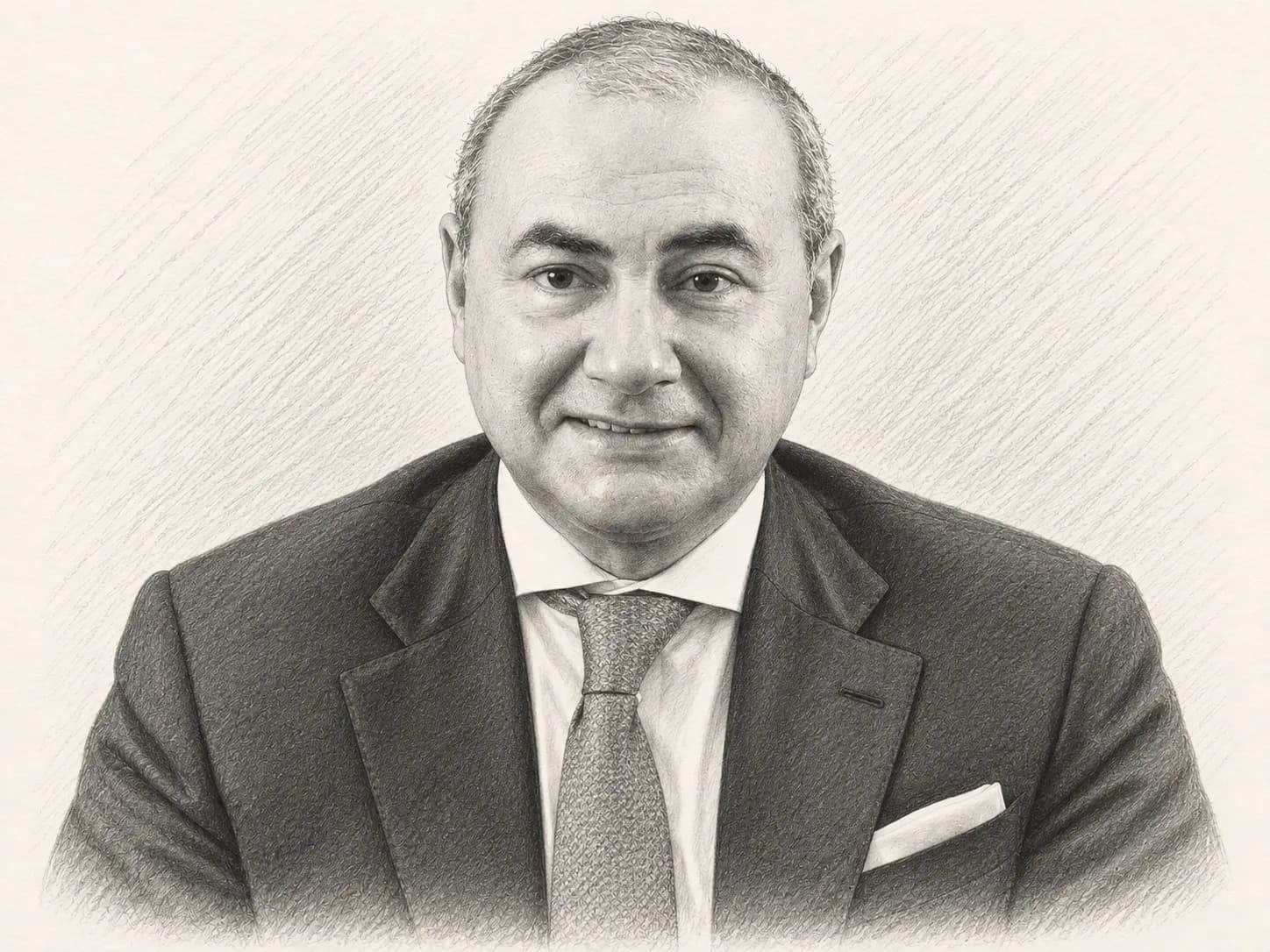
Bassel GamalQatar Islamic Bank’s assets more than tripled during Bassel Gamal’s tenure, reaching $64.7 billion (QAR 235.5 billion) by September 2026. (Image: Bassel Gamal)

When Qatar Islamic Bank introduced personal financing through its mobile app in 2018, preapproved customers could top up their existing financing without going to a branch. They could choose an amount, sign the paperwork electronically and receive the funds through the app. Bassel Gamal had been group CEO for nearly six years when QIB launched the service. It offers a concrete example of how the bank has changed during his tenure.

Earlier that year, QIB had opened a branch at Tawar Mall in Doha’s Al Duhail district. The branch was open seven days a week and had a machine that connected customers to a teller by video. Customers could use their Qatari ID to deposit or withdraw cash without a debit card. The two launches show how QIB was changing both the branch visit and what customers could do from home.

From Egypt to the Gulf

Gamal began his career at Commercial International Bank in Egypt in 1990 and spent more than a decade there before joining Bahrain’s Ahli United Bank Group in 2001. He became deputy CEO of Ahli Bank in Qatar in 2004, took over as CEO in 2006 and held that position until early 2009. By the time he joined QIB in February 2013, he had served as senior deputy group CEO at Ahli United Bank Group, overseeing businesses across eight markets. His remit spanned retail and corporate banking, treasury, and wealth management.

At Ahli United Bank Group, Gamal also chaired the credit and investment committee and the operational risk committee. The roles gave him oversight of lending and investment decisions as well as the risks involved in running the bank.

At QIB, his responsibilities extend beyond the domestic bank. He chairs the bank’s UK subsidiary and sits on the board of QInvest, a Qatar-based investment bank that QIB classifies as an associate.

What Moved to the Phone

The app’s remit has widened since the 2018 financing launch. Customers can now open an account by scanning identification and taking a selfie. By September 2026, QIB said the app offered more than 320 features. That month it added keyword search, a practical change for customers who know what they need to do but may be unsure where to find it.

In a 2025 interview with Oxford Business Group, Gamal linked the growth of Islamic banking in Qatar to its adherence to Sharia principles and the sector’s efforts to modernize. He cited digital onboarding and real-time cross-border transactions as examples of how banks were changing the way they serve customers.

QIB reported about 26.8 million mobile app transactions in 2024 and said 99.7% of retail transactions, excluding those under the Wage Protection System, were digital.

The shift extended to business banking. In the same report, QIB said 96% of corporate transfers and remittances were digital. On the retail side, 46% of personal financing sales took place through digital channels, a measure of how often customers used those channels to obtain financing.
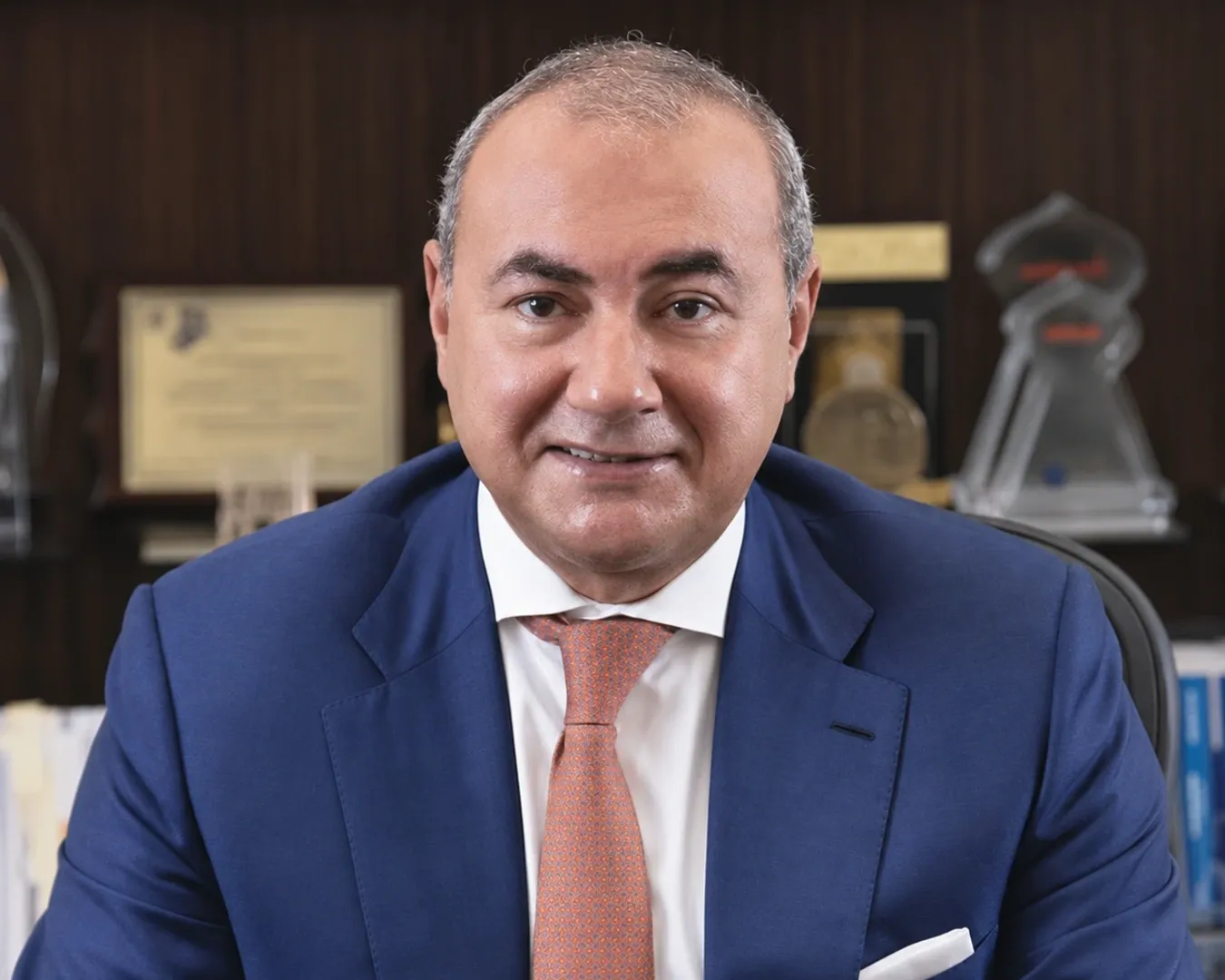

Bassel Gamal 2Bassel Gamal has led Qatar Islamic Bank since February 2013. In 2018, the bank began letting eligible customers use its app to top up their personal financing without visiting a branch. (Image source: QIB)

Working with Fintechs and Businesses

The bank has also used partnerships to reach customers beyond its own app. In December 2024, QIB signed a memorandum of understanding with PayLater, a Qatari fintech that lets shoppers pay in installments. The agreement called for the two companies to develop Sharia-compliant buy now, pay later services for consumers and merchants. Gamal framed the partnership as part of Qatar Central Bank’s push for closer collaboration between banks and fintech companies. The arrangement gives the two firms a way to bring bank financing into a transaction that starts at a merchant’s checkout.

A separate agreement that month addressed a different problem. The Qatar Financial Centre Authority and QIB agreed to make corporate banking easier to access for firms licensed by the center. The arrangement called for QIB to provide banking services to those businesses, support their employees and offer services on site. Where the PayLater agreement focused on how shoppers pay, the Qatar Financial Centre agreement focused on where businesses and their staff can get banking support.

The Bank Behind the App

QIB reported $20.1 billion (QAR 73.2 billion) in total assets in its 2012 year-end results, before Bassel Gamal took over as group CEO. The bank’s September 2026 results put total assets at $64.7 billion (QAR 235.5 billion). Net profit attributable to shareholders rose 2.0% year over year to $968.5 million (QAR 3,525.2 million) in the first nine months of 2026.

The financing portfolio shows where much of the latest growth came from. Financing assets reached about $44.1 billion (QAR 160.7 billion) in September 2026, up 21.9% from a year earlier. Customer deposits reached about $39.8 billion (QAR 145 billion), up 8.3% over the same period. The previous full year provides a separate benchmark. In its full-year 2025 results, QIB reported net profit attributable to shareholders of about $1.33 billion (QAR 4.835 billion), up 5% from 2024.

QIB’s total assets more than tripled between the end of 2012 and September 2026. Gamal took over as group CEO in February 2013, shortly after the start of that period.

QIB’s Partnership with Qatar’s Schools

In November 2024, Gamal signed an agreement with INJAZ Qatar to bring a three-year life skills program to public schools. At the signing, he said the partnership was a way to strengthen financial literacy among young people.

Seventh graders took part in a business simulation, while ninth graders explored career options and learned how to write résumés and prepare for job interviews. QIB said the program reached more than 25,000 students across 77 schools in the 2025–26 academic year.

When QIB announced the program’s third year in October 2026, it said eighth graders would join for the first time, with lessons on managing money and using digital banking.