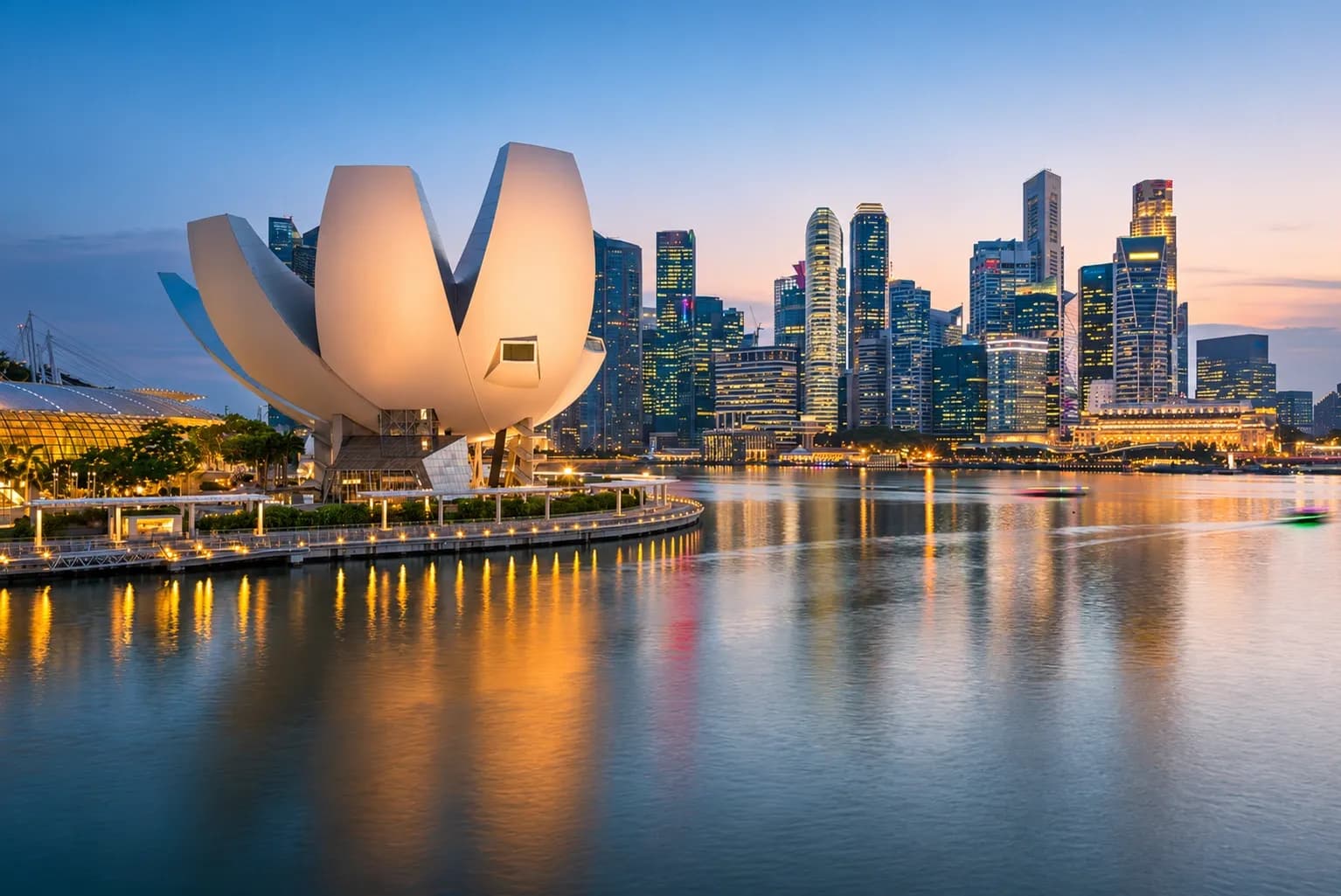
Singapore — Card network Visa has set up six global capability hubs at a new Solution Center at Paya Lebar Green in Singapore, bringing more than 1,500 professionals together to work on artificial intelligence, cybersecurity, quantum computing and next-generation payments.
What the hubs produce is meant for use across Visa's worldwide network, not only in Singapore. The New York Stock Exchange-listed group handles transactions between consumers, sellers, financial institutions and government bodies in more than 200 countries and territories.
According to Visa, Singapore has been central for nearly five decades to its goal of making commerce across Asia Pacific more trusted, secure and reliable, and the new center deepens that commitment. The city-state already hosts Visa's first innovation center in Asia Pacific, which the company uses as its regional flagship for working on commerce products with clients and partners.
Rajat Taneja, President of Technology at Visa, said: “We’re entering an extraordinary period of commerce innovation, driven by AI, digital money and other emerging technologies. Turning that promise into progress requires technology people and businesses can trust. Our expanded presence in Singapore will bring together great talent, deep expertise, and trusted infrastructure to build new commerce experiences around the world.”
The six hubs sit in three groups of two. Visa said each targets a specialized field where emerging technology is changing how commerce moves, how it operates and how it is kept secure.
Under the first group, Artificial Intelligence and Commerce, one hub applies AI to payments and fintech use cases, with the aim of using it responsibly to improve customer experiences, operational efficiency and decision-making. The other studies agentic commerce, looking at how AI agents can deal securely with merchants, consumers and payment networks.
The Next-Generation Payments group pairs research into digital money, stablecoins and programmable payments, intended to support new payment models and the way money moves, with a hub on wallets and alternate payment methods. That second unit is meant to link emerging payment experiences across multiple rails and networks.
Trust, Security and Resilience makes up the third group. Its cybersecurity hub focuses on resilience and protection across increasingly complex digital systems, while a quantum computing for finance hub researches how quantum technologies can be applied to financial services and prepares for a quantum-secure future.
Stephen Karpin, Regional President, Asia Pacific at Visa, said: "Singapore is increasingly where the future of commerce is being built. Many of the world's most complex questions around payments innovation, digital money, AI and trust are being solved in Asia Pacific. By bringing these capabilities together in Singapore, we are creating a hub that can develop globally relevant solutions while supporting Singapore's continued leadership in technology and innovation."