@2026 Finance News International. All Rights Reserved.

Blends Media
A Blends Media Group Production

Lianlian DigiTech Opens Dubai Office to Grow China-Middle East Payments

Arry Hashemi
Arry Hashemi
Nov. 06, 2026
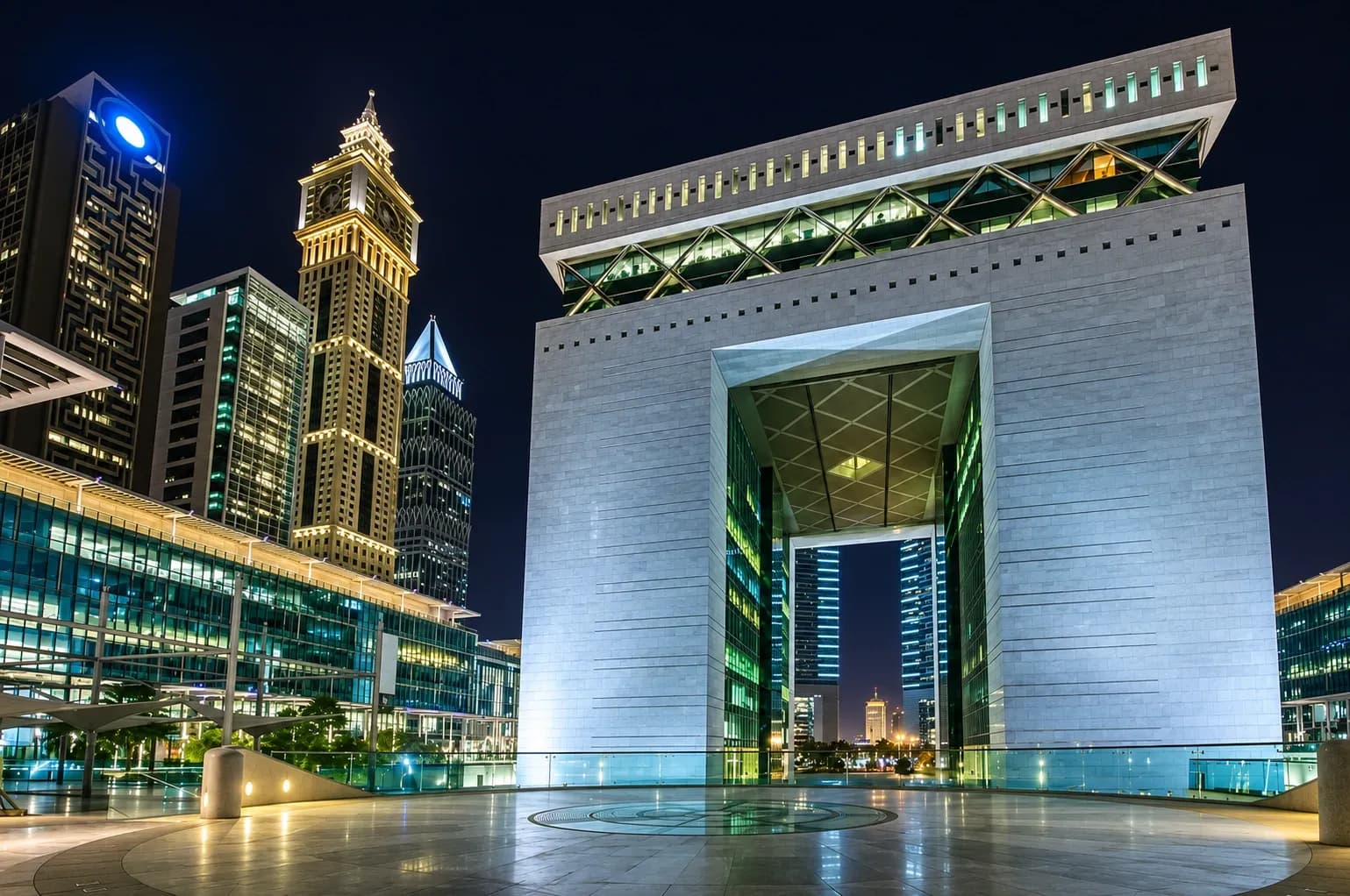
Dubai International Financial CentreThe Gate building at Dubai International Financial Centre, where Lianlian DigiTech opened its Middle East office to help businesses collect payments, exchange currencies and pay suppliers across borders. (Shutterstock)

Dubai, United Arab Emirates — Hong Kong-listed payments company Lianlian DigiTech has opened a Middle East regional office in the Dubai International Financial Centre, using its license from the Dubai Financial Services Authority to widen its cross-border payment and treasury business in the region.

The company, whose shares trade under the code 02598.HK, calls itself a global payment and fintech platform. It holds a Category 3D Payment Service Provider license from the DFSA, and it presents the new office as the next phase of a Middle East strategy that began with that regulatory step.

The DFSA’s public register lists the licensed entity as LianLian Middle East Region Ltd, a DIFC company with a license dated March 26, 2026. It may provide money services, such as operating payment accounts, issuing payment instruments and executing payment transactions, and it may advise on or arrange money services, including account information and payment initiation services. The register also records endorsements to serve retail clients and to hold or control client assets.

Lianlian made the license public in May. It said the approval moved its Middle East plans from market entry to a licensed regional headquarters and brought its worldwide tally to 68 payment licenses and related qualifications, with a payment network reaching more than 100 countries and regions. Emily Zhou, Lianlian’s general manager for the UAE, called the license a key step in the company’s global localization strategy.

According to the company, the Dubai base pairs DIFC’s financial infrastructure with Lianlian’s global network and local expertise. The aim is to offer cross-border payments and treasury management to businesses that trade between China, the Middle East and other markets, and Lianlian said it looks forward to a collaborative partnership with the center built on shared growth.

His Excellency Arif Amiri, Chief Executive Officer of DIFC Authority, said: “Dubai’s position as a global gateway for trade and investment continues to create significant opportunities for financial services companies connecting businesses across key international markets. Lianlian DigiTech’s expansion from DIFC reflects the strength of our ecosystem as a platform for companies seeking to scale across the Middle East, Africa and South Asia, while strengthening connectivity with Asia. Its growing capabilities in cross-border payments and treasury solutions will contribute to the financial infrastructure supporting businesses between China and the region, further reinforcing Dubai and DIFC’s role in enabling the future of global finance.”


BeijingFrom its new Dubai office, Lianlian DigiTech aims to help businesses trading between China and the Middle East collect payments and pay suppliers across borders. (Unsplash)

Lianlian links the move to rising trade along the China-UAE economic corridor. Companies going global increasingly want to collect payments locally, manage cash across several currencies and pay suppliers in other countries, the company said. Staying compliant in several jurisdictions while keeping capital liquid has, in its view, become a core priority for businesses expanding abroad.

Working from DIFC, Lianlian plans to build closer ties with regional banks, tier-one financial institutions and commercial partners. It said its local services, which include cross-border collections, FX hedging and conversions, and payouts to vendors around the world, will be offered strictly within the relevant regulatory authorizations and licensing frameworks.

The company pitches these as one integrated service aimed at slow fund turnover, the cost of switching between currencies and complicated cross-border payment workflows. Lianlian said the tools are meant to simplify payment and settlement, make treasury positions more transparent and help firms that operate across international markets run more efficiently.

Lianlian already has commercial links in the region. It has an established partnership with e-commerce group Noon and supports merchant settlements on Amazon UAE and Amazon Saudi Arabia, helping cross-border sellers bring revenue home and keep liquidity in several currencies. The company said it will keep adding solutions built around specific business scenarios in the Middle East and elsewhere.

Dubai’s economic plan forms part of the company’s case. Lianlian cited the Dubai Economic Agenda (D33), a plan that targets a doubling of the emirate’s economy and foreign trade worth approximately $6.97 trillion (AED 25.6 trillion) within 10 years. It described Dubai as a commercial gateway linking the Middle East, Africa, South Asia and wider global markets, and said deepening China-UAE economic ties create opportunities for digital financial infrastructure.

The new office adds a payments specialist to an established Chinese financial community in the district. When Beijing-based investment bank China Securities opened its DIFC office in September, the center named seven of the Chinese institutions already operating there: Bank of China, Industrial and Commercial Bank of China, China Construction Bank, Agricultural Bank of China, Bank of Communications, China Merchants Bank International and China International Capital Corporation.

DIFC also said at the time that China’s five biggest lenders account for over 30% of the assets held across its banking and capital markets sector. In May, the center’s chief business development officer, Salmaan Jaffery, said Lianlian’s arrival strengthened DIFC’s position as the region’s leading platform for Chinese firms.

Other Chinese payment companies have followed the same trade flows. Dubai Chambers said China-headquartered PingPong chose Dubai in response to payment demand created by trade between China, the Middle East and Africa.

A local license and office could give Lianlian closer access to the regional banks it needs for collections and payouts, and may help it compete for sellers moving goods between China and the Gulf. The announcement did not include revenue targets, client numbers or staffing figures for the regional office.

Lianlian said it will keep localizing its Middle East operations and expand alliances with regional institutions and commercial platforms, combining its own global payment architecture with local market knowledge to support regional trade and the international growth of businesses.