
@2026 Finance News International. All Rights Reserved.

Blends Media
A Blends Media Group Production

Norway Plans Temporary AI Glasses Ban Over Privacy Concerns

Arry Hashemi
Arry Hashemi
Oct. 07, 2026
AI glassesNorway plans to propose a temporary ban on AI glasses in selected public spaces amid concerns that people could be recorded without their knowledge. (Shutterstock)

Norway plans to propose a temporary ban on the use of AI glasses in selected locations, citing the risk that people could be photographed, filmed or recorded without realizing it. The government announced the initiative as it prepares longer-term rules for wearable technology.

The Ministry of Digitalisation and Public Governance identified schools, kindergartens, playgrounds, healthcare facilities and gyms among the places that could be covered. Parks, beaches, museums, shopping centers and public events are also under consideration. The list remains provisional, and officials have yet to settle which devices the restrictions would include.

Digitalisation and Public Governance Minister Torgeir Micaelsen said: “I am worried that new, powerful technology will be introduced where people risk being photographed, filmed or recorded without them knowing it. We will therefore propose a temporary ban on AI glasses in selected places. This will give us time to carry out a thorough study and have an informed debate that can lay a good foundation for lasting regulation.”

Exceptions are planned for vulnerable groups and certain socially beneficial uses. The government also leaves room for private use and use in places where others would not risk being filmed or photographed without consent.
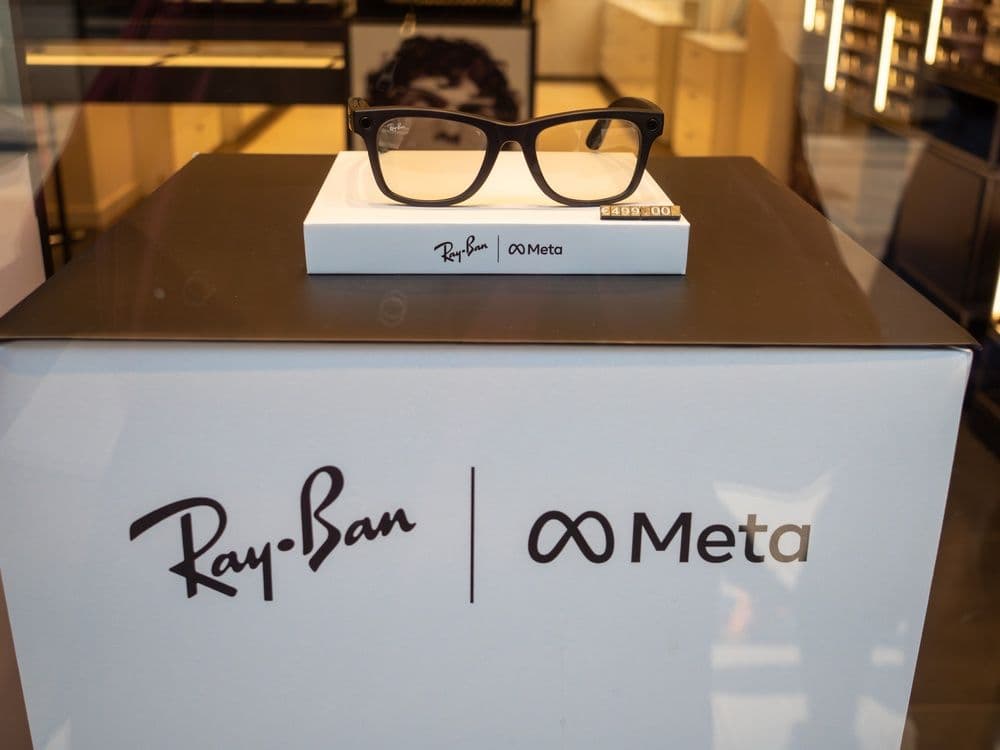

AI glasses 2A planned Norwegian expert group will examine longer-term rules for wearable technology equipped with cameras, microphones or AI features. (Shutterstock)

Glasses can leave people nearby unsure whether a camera is recording. Captured audio may also include bystanders who have no part in deciding to switch the device on.

In guidance distributed by Public, Norway’s data protection authority, Datatilsynet, explained that existing recording rules apply regardless of whether someone uses smart glasses, a phone or a conventional camera. Private individuals may generally record for purely personal purposes, but public distribution of identifiable images raises additional data protection obligations.

The authority warned that microphones can pick up conversations in the background. Secretly recording conversations in which the wearer is not participating may be punishable under Norwegian law. Its advice also highlighted location tracking and the possibility that recordings could reach unintended recipients.

Datatilsynet urged users to tell people nearby when they are recording and to put the glasses away when they are not using them. The guidance recognizes a practical problem for bystanders: uncertainty about recording can itself cause discomfort, even before any footage is shared.

Norwegian ParliamentNorway’s parliament, the Storting, would need to approve legislation before the government’s proposed AI glasses restrictions could take effect. (Shutterstock)

The October announcement follows an earlier government emphasis on applying existing law to new devices. In an earlier parliamentary response, then-minister Karianne Tung defended Norway’s technology-neutral privacy framework, arguing that conduct already prohibited did not become permissible simply because a new product made it possible.

Tung nevertheless acknowledged the difficulty of detecting whether smart glasses were collecting images, audio or other information about their surroundings. Her response said the government was assessing questions surrounding biometric identification and whether further measures were needed.

By August 25, Tung was calling for stricter regulation. One possible approach was restricting functions that identify other people through facial recognition in public spaces. She also encouraged public and private organizations to consider their own policies governing smart glasses inside their premises and workplaces.

That earlier announcement described a wider field of devices combining AI with cameras and microphones, including earbuds and other everyday items. The planned expert group would develop regulatory options, after which the government would assess possible changes and submit them for consultation. The policy discussion therefore reaches beyond eyewear to the treatment of recording technology worn on the body.

Parliament is also considering a separate initiative. Socialist Left Party lawmakers Kirsti Bergstø and Mirell Høyer-Berntsen submitted a proposal asking the government to seek a temporary ban on both sales and use of wearable technology with cameras or other sensors capable of covert surveillance. Their request goes beyond the government’s announced focus on use in selected locations.

The lawmakers argue that a growing collection of restrictions adopted by individual institutions and employers could leave consumers facing inconsistent rules. They also raise a purchasing concern: people may buy devices whose permitted uses could soon become more restricted.

Their initiative calls for exceptions for people who need the technology as an assistive device. The accompanying explanation identifies blind and visually impaired users as examples of people who could benefit from such equipment, while arguing that accessibility needs can be accommodated within restrictions.