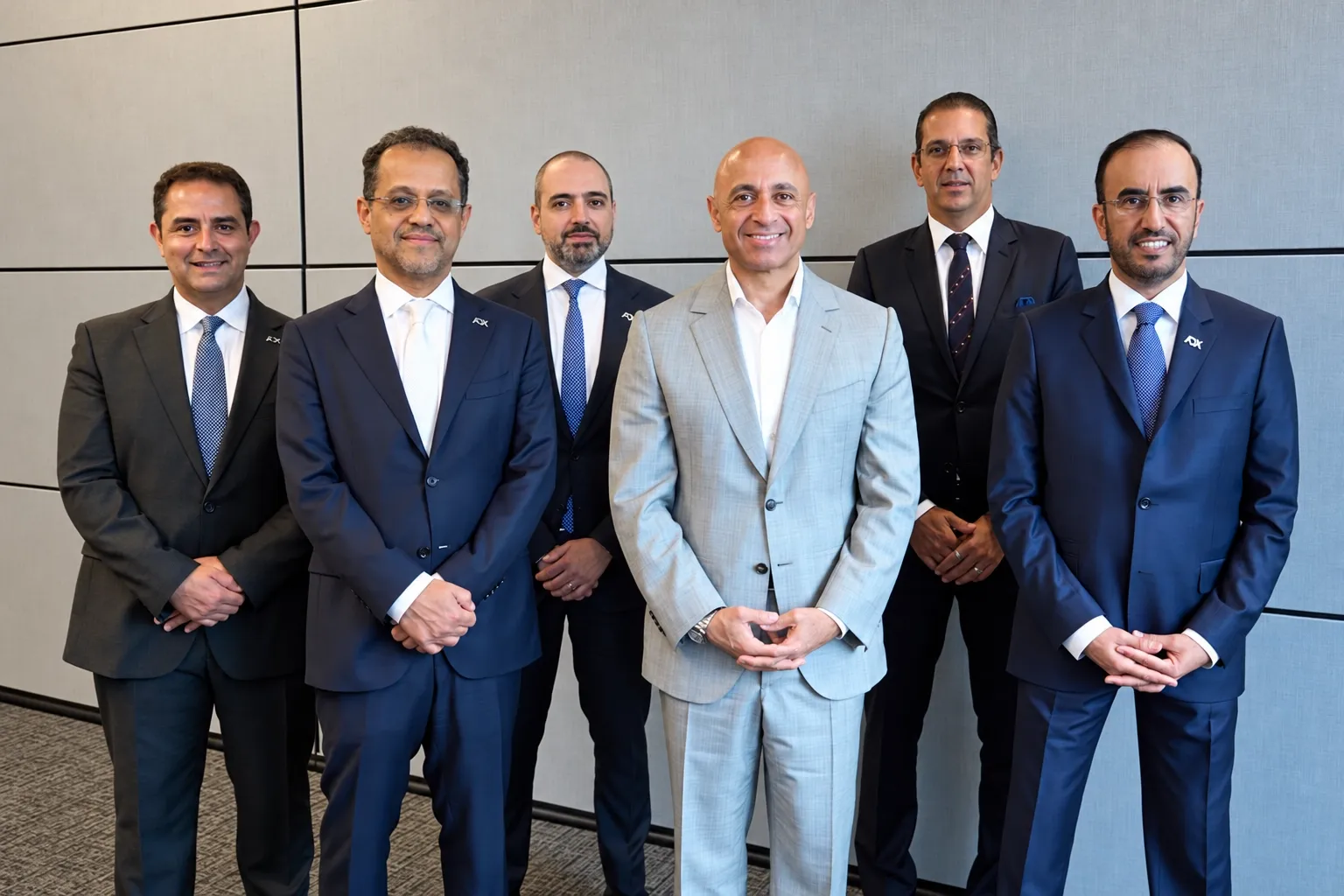
Saudi AI company HUMAIN and Napster have announced a partnership to develop Arabic-language AI agents for public and private sector organizations across the Middle East and North Africa. The collaboration will connect HUMAIN’s language and speech services with Napster’s technology for agents that interact through voice, video and text.
The integration will use HUMAIN IQ, ALLAM and HUMAIN Voice alongside Napster’s video presence, Large Persona Model technology and multimodal infrastructure. Napster plans to introduce the capabilities to existing clients in Saudi Arabia and the wider Middle East.
John Acunto, CEO of Napster, said: “Arabic-speaking markets have been underserved by AI platforms built for English-first models. A digital agent that stumbles over the language it’s supposed to speak in is not a workforce solution. HUMAIN’s models give our platform the linguistic and cultural fluency to earn trust in this market. That changes what we can offer organizations here.”
The commercial proposition is to combine language processing with a customer-facing interface. An organization could use that combination to offer spoken interactions in Arabic, while connecting the agent to information and functions within its existing systems.
The Technology Behind Arabic AI Interactions
HUMAIN describes HUMAIN IQ as a platform through which organizations can use, customize and deploy enterprise AI. Its offerings include an enterprise workspace, developer APIs, model customization and deployment through cloud providers. The API route allows another company’s software to request capabilities without building the underlying models itself.
The partnership identifies ALLAM as the language model supporting text generation, summarization and function calling. Function calling allows a model to request an operation from connected software, rather than limiting its output to a written answer. Which operations an agent can perform depends on the tools, permissions and controls surrounding the model.
Speech adds separate processing stages. Automatic speech recognition converts a person’s audio into text, while text-to-speech technology turns a written response into audio. The companies plan to connect those services with Napster’s agent infrastructure, making spoken interaction part of the proposed experience.
HUMAIN’s Voice product page describes support for local dialects and switching between languages within conversations. These are relevant design considerations for Arabic-speaking organizations, where a system may encounter different accents, vocabulary and combinations of Arabic and English.
Connecting AI Agents to Enterprise Systems
HUMAIN lists contact centers among the intended uses for its voice technology, including live transcription, assistance during calls and follow-up tasks. Other examples on its product page include documenting meetings, preparing clinical records and providing voice interfaces in hospitality.
An agent answering a customer’s question would need more than fluent speech. It would also need access to the correct information, a clear understanding of what it is authorized to do and a way to pass unresolved requests to a person. A natural-sounding response does not establish that the underlying answer or action is correct.
Data handling is another implementation question. HUMAIN says its IQ APIs are hosted in Saudi Arabia and describes customer control over data and models as part of its platform.
A Partnership Within a Broader Saudi Expansion
HUMAIN was launched in May 2025 under Saudi Arabia’s Public Investment Fund. PIF describes its remit as covering the AI stack from data centers and cloud infrastructure to models and applications. The Napster partnership concerns the application of those models and services through another company’s platform.
Tareq Amin, CEO of HUMAIN, said: “The next generation of AI must be native to the markets it serves, but the technology we build in Saudi Arabia must also be capable of extending across new markets. This partnership is an important example of Saudi-developed AI technology supporting an international technology company. By combining HUMAIN IQ, ALLAM and HUMAIN Voice with Napster’s embodied AI capabilities, we are creating solutions designed for the region while demonstrating the growing international relevance of HUMAIN’s technology.”
Napster has also established a local corporate presence. In a September 3 announcement, it said it had incorporated in Saudi Arabia with support from the Ministry of Investment and AstroLabs. That legal entity provides a separate indication of its commitment to operating in the country.
The company now describes its enterprise offering around AI agents, extending a brand originally associated with music into business software. Its role in the HUMAIN collaboration centers on the interface through which users encounter the technology, while HUMAIN supplies selected language and speech capabilities.
The partnership establishes a route for Saudi-developed AI services to reach organizations through an international platform.