@2026 Finance News International. All Rights Reserved.

Blends Media
A Blends Media Group Production

Saudi Industrial Fintech Financing Soars 130% to Over $144M in H1 2026

Staff Writer
Staff Writer
Sep. 01, 2026
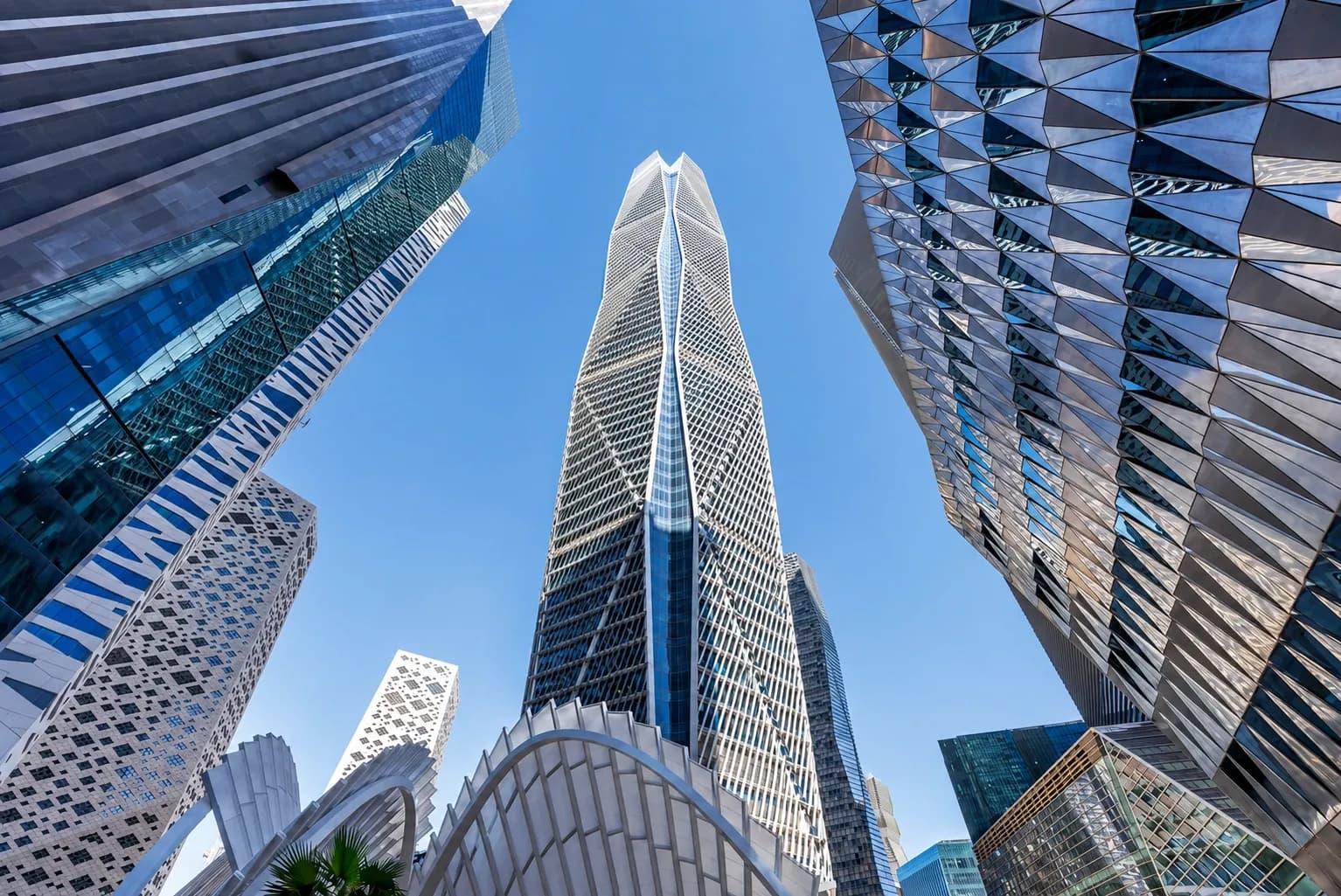
Saudi ArabiaFintech financing for Saudi industrial projects reached $144.3 million (SAR 541 million) in H1 2026, rising 130% from the same period a year earlier. (Shutterstock)

Financing supplied by financial technology companies to industrial projects in Saudi Arabia more than doubled during the first half of 2026.

The value of financing reached approximately $144.3 million (SAR 541 million), an increase of 130% from about $62.4 million (SAR 234 million) in the corresponding period of 2025.

More Fintech Providers Enter the Market

The number of fintech companies working with the ministry on industrial financing increased from three in the first half of 2025 to seven in the same period of 2026. The ministry identified the participating providers as Tameed, Tarmeez Financial, Dinar, Forus, Ynall, Sukuk Capital and Lendo.

Their financing products address several common funding requirements among industrial businesses, including working capital, unpaid invoices and expansion projects. Such products can give manufacturers alternatives to conventional bank facilities, particularly when a company needs shorter-term financing to maintain production, pay suppliers or bridge the period between issuing an invoice and receiving payment.

Saudi officials attributed the increase partly to strategic partnerships established between the ministry and fintech providers. The ministry has also been sharing industrial data with participating companies and monitoring the financing requirements of manufacturers.
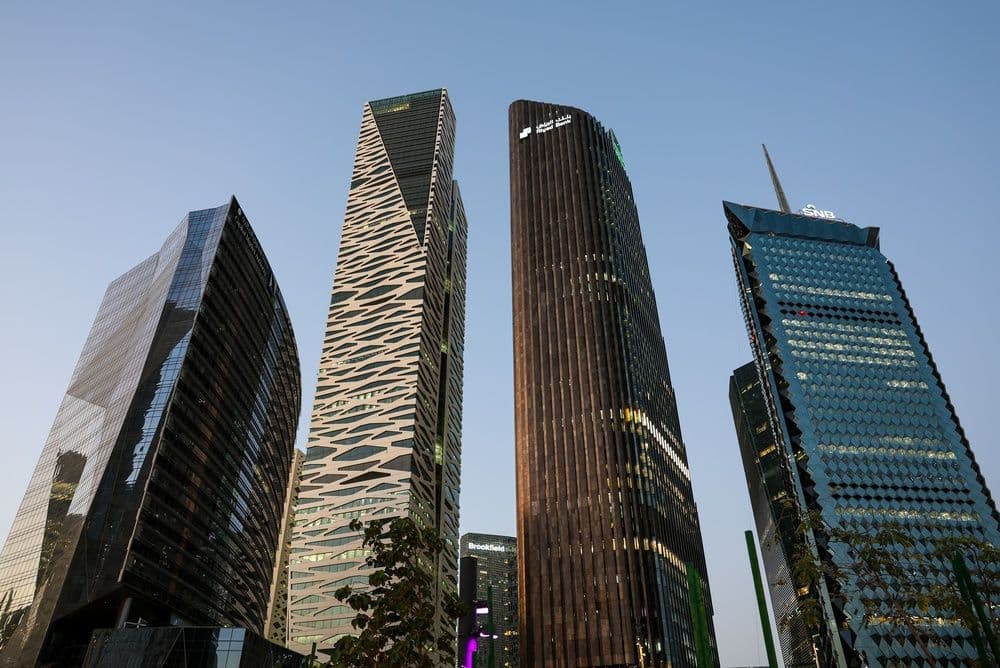
Saudi Arabia 2Seven fintech providers worked with Saudi Arabia’s Ministry of Industry and Mineral Resources in H1 2026, up from three a year earlier. (Shutterstock)

Workshops Expand Access to Digital Financing

Executive workshops formed another part of the ministry’s effort to expand access to financing. These sessions introduced industrial companies, entrepreneurs and investors to available fintech products and explained how businesses could use the different funding options.

The program seeks to address financing constraints that can interrupt production or delay investment. Manufacturers frequently require capital before revenue from completed orders arrives, while expansion plans may involve upfront spending on equipment, facilities or additional capacity. Invoice financing and working-capital products are designed for these types of cash-flow requirements, although their cost, duration and eligibility conditions vary by provider.

Rather than supplying the financing directly, the ministry’s role has centered on connecting industrial businesses with fintech companies, broadening the range of available products and helping providers understand demand within the sector. Increasing the number of participating lenders from three to seven also gives manufacturers a wider group of potential financing channels.

Growth Supports Broader Financial-Sector Plans

The expansion of industrial fintech financing sits within Saudi Arabia’s wider effort to develop a more diversified financial system. The kingdom’s Financial Sector Development Program, established under Vision 2030, aims to strengthen financial institutions, support innovation and improve access to financial services.

Fintech Saudi, an initiative launched by SAMA in partnership with the Capital Market Authority, is intended to help build the local financial technology ecosystem and support the development of fintech businesses. The Saudi Vision 2030 platform identifies fintech development as part of the country’s effort to increase competition and technological innovation across financial services.

Industrial financing extends Saudi Arabia’s fintech development beyond consumer payments and digital banking. The latest figures indicate that fintech providers are directing substantially more capital toward industrial projects, widening the financing options available to manufacturers.